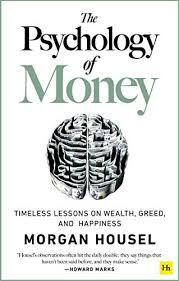
Money isn’t just about numbers in a bank account—it’s deeply intertwined with our emotions, behaviors, and beliefs. The psychology of money explores how our mental frameworks shape financial decisions, from saving habits to investment risks. In this comprehensive guide, we’ll dive into key concepts inspired by Morgan Housel’s bestselling book The Psychology of Money, backed by psychological research and real-world examples. Whether you’re struggling with impulse spending or aiming for long-term wealth, understanding these principles can transform your relationship with money.
What Is the Psychology of Money?
The psychology of money refers to the study of how human behavior, emotions, and cognitive biases influence financial choices. Unlike traditional finance, which focuses on formulas and markets, behavioral finance examines why people make irrational decisions despite knowing better.
- Key Insight: Wealth is not just what you earn but what you don’t lose. As Housel notes, “Getting money requires taking risks, being optimistic, and putting yourself out there. But keeping money requires the opposite—humility, fear, and frugality.”
Research from psychologists like Daniel Kahneman (Nobel Prize winner for behavioral economics) shows that loss aversion—fearing losses more than valuing gains—drives many poor choices. For instance, people hold losing stocks too long, hoping for a rebound, while selling winners prematurely.
Why It Matters in 2025
With inflation, crypto volatility, and AI-driven markets, understanding financial psychology is crucial. A 2024 Fidelity study found that 68% of investors regret emotional decisions during market dips.
Top 10 Lessons from the Psychology of Money
Drawing from Housel’s 19 timeless lessons, here are the most impactful ones with explanations and SEO-friendly subheadings.
1. No One Is Crazy: Money Behaviors Are Shaped by Personal History
Your money mindset is unique, forged by upbringing and experiences. A child of the Great Depression saves obsessively; a tech boom survivor chases high-risk investments.
- SEO Tip: Search for “personal finance stories” to see how diverse backgrounds lead to varied outcomes.
2. Luck and Risk Are Siblings
Success stories like Bill Gates highlight luck, while failures often ignore risk. In behavioral finance, survivorship bias makes us overestimate our control.
| Factor | Role in Wealth Building |
|---|---|
| Luck | Timing (e.g., buying Bitcoin in 2010) |
| Risk | Potential for ruin (e.g., over-leveraging) |
3. Never Enough: The Hedonic Treadmill
The pursuit of “more” leads to endless dissatisfaction. Studies on happiness show income above $75,000/year (adjusted for inflation) yields diminishing returns.
4. Compounding: The Eighth Wonder of the World
Warren Buffett’s wealth? Mostly from compounding after age 50. Start early—$5,000 invested at 7% annually grows to over $100,000 in 40 years.
Formula: ( A = P(1 + r)^t )
Where ( A ) = future value, ( P ) = principal, ( r ) = rate, ( t ) = time.
5. Getting Wealthy vs. Staying Wealthy
Aggression builds wealth; paranoia preserves it. Avoid “tails” events like 2008 crashes by diversifying.
6. Tails Drive Everything
A few extreme events (e.g., pandemics) shape most outcomes. In investing, prepare for black swans.
7. Freedom: Money’s Greatest ROI
Time and independence trump luxury. Financial psychology emphasizes autonomy over status.
8. Man in the Car Paradox
People admire the car, not the owner. Flashy spending signals insecurity, not success.
9. Savings Rate: The Unsung Hero
Wealth = Income – Ego. High savers win regardless of salary.
10. Reasonable > Rational
Optimal strategies fail if unsustainable. Aim for “good enough” plans you can stick to.
Common Money Biases and How to Overcome Them
Behavioral finance identifies biases sabotaging finances:
- Anchoring Bias: Fixating on first prices (e.g., refusing to sell a stock below purchase price).
- Fix: Use data-driven tools like robo-advisors.
- Confirmation Bias: Seeking info that supports beliefs.
- Fix: Diversify news sources.
- Present Bias: Preferring immediate rewards.
- Fix: Automate savings.
| Bias | Example | Counterstrategy |
|---|---|---|
| Loss Aversion | Holding losers | Set stop-loss rules |
| Overconfidence | Day trading | Index fund investing |
FAQ: Psychology of Money Questions Answered
What is the main idea of The Psychology of Money book?
It teaches that soft skills like behavior and mindset matter more than technical knowledge in building wealth. Focus on controlling what you can—your reactions.
How does psychology affect money management?
Emotions like fear and greed lead to buying high/selling low. Mindfulness and journaling improve money psychology.
Can changing my money mindset make me richer?
Yes! Shift from scarcity to abundance: Track wins, not just losses. Apps like Mint help visualize progress.
What are the best books on psychology of money?
- The Psychology of Money by Morgan Housel
- Thinking, Fast and Slow by Daniel Kahneman
- Your Money or Your Life by Vicki Robin
Is behavioral finance the same as psychology of money?
Closely related—behavioral finance applies psychology to markets; psychology of money is broader, covering personal habits.
How to improve financial psychology in daily life?
- Practice gratitude for current wealth.
- Set “sleep on it” rules for big purchases.
- Educate via podcasts like “The Psychology of Money Summary” on Spotify.
Why do rich people still worry about money?
Wealth anxiety stems from comparison and fear of loss. Therapy or financial coaching helps.
Actionable Tips to Master Your Money Psychology
- Build a “No Plan” Buffer: Save 6-12 months’ expenses for peace of mind.
- Invest Like a Pessimist: Expect downturns; buy quality assets.
- Review Annually: Reflect on decisions without judgment.
- Teach Kids Early: Discuss money openly to break cycles.
- Seek Community: Join forums on Reddit’s r/personalfinance for shared money mindset stories.

Anshu Pathak is a passionate writer and avid reader whose love for stories shapes her world. With a heart full of imagination, she weaves tales that resonate with emotion and depth. When she’s not crafting her next piece, you can find her lost in the pages of a novel, exploring new worlds and perspectives. At Moodframe Space, Anshu shares her creative journey, offering insights, stories, and reflections that inspire and connect with readers everywhere.