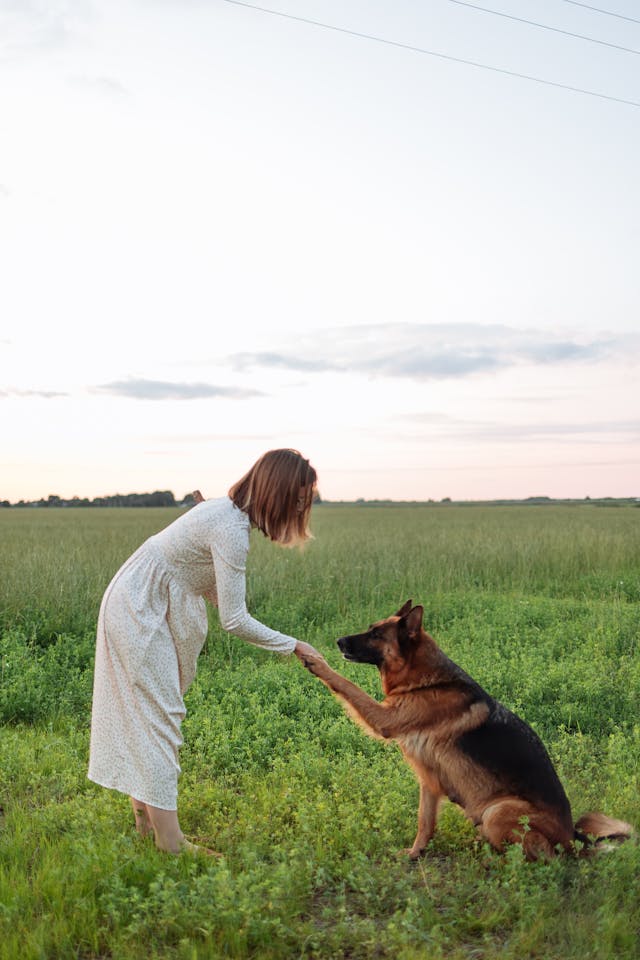
In a world increasingly dominated by technology and fleeting connections, the canine relationship stands as a timeless testament to loyalty, empathy, and unconditional love. For millions of pet owners worldwide, dogs aren’t just animals—they’re family members, confidants, and even therapists in fur coats. But what exactly defines this unique canine relationship? At its core, it’s the deep emotional, psychological, and even biological interplay between humans and canines that has evolved over millennia. This article delves into the intricacies of the canine relationship, exploring its history, science, practical tips for nurturing it, common pitfalls, and the life-changing benefits it brings. Whether you’re a new puppy parent or a seasoned dog lover, understanding this bond can transform your companionship into something truly extraordinary.
The Evolutionary Roots of the Canine Relationship
To appreciate the depth of the canine relationship, we must first travel back in time—about 15,000 to 40,000 years, to be precise. Archaeological evidence suggests that dogs were the first domesticated animals, descending from ancient wolves that formed symbiotic partnerships with early humans. These proto-dogs likely scavenged near human camps, providing an early warning system against predators while humans offered scraps of food and protection.
This mutualism wasn’t accidental; it was a survival strategy. Humans gained vigilant hunters and herders, while wolves-turned-dogs secured reliable meals. Fast-forward to today, and the canine relationship has blossomed into one of the most studied interspecies bonds. Genetic studies, such as those published in Nature in 2016, reveal that dogs have undergone selective breeding for traits like sociability and reduced fearfulness—adaptations that make them uniquely attuned to human cues. Unlike cats, which retain more independent instincts, dogs have evolved to “read” our faces, voices, and body language with uncanny accuracy. This evolutionary foundation explains why your dog might greet you at the door with a wagging tail after a long day, sensing your stress before you even speak.
In modern terms, this history underscores a key truth: the canine relationship is built on reciprocity. Dogs don’t just love us; they need us, and we, in turn, thrive on their companionship.
The Science Behind the Magic: Why the Canine Relationship Feels So Good
Ever wonder why cuddling with your dog feels like a natural antidepressant? Science has the answer, and it’s rooted in neurochemistry. When humans and dogs interact affectionately—think petting, eye contact, or playtime—their brains release oxytocin, often dubbed the “love hormone.” A landmark 2015 study from Azabu University in Japan found that oxytocin levels spike in both species during mutual gazing, mirroring the bond between human mothers and infants. This hormonal surge fosters trust, reduces anxiety, and even lowers blood pressure.
But the canine relationship goes beyond feel-good chemicals. Dogs excel at emotional contagion, picking up on our moods through subtle pheromones and micro-expressions. Research from the University of Vienna shows that dogs can distinguish between happy and angry human voices, adjusting their behavior accordingly. This empathy isn’t just cute; it’s therapeutic. Therapy dogs, for instance, are deployed in hospitals and schools to alleviate PTSD, depression, and loneliness, with studies from the American Psychological Association confirming their efficacy in boosting serotonin and dopamine.
Physiologically, the benefits are equally compelling. Regular interaction with dogs strengthens the human immune system by moderating cortisol (stress hormone) levels and promoting physical activity. For dogs, a secure canine relationship reduces destructive behaviors and separation anxiety, leading to longer, healthier lives. In essence, this bond isn’t just emotional—it’s a biological symphony that harmonizes two species for mutual well-being.
Nurturing Your Canine Relationship: Practical Tips for a Stronger Bond
Building a fulfilling canine relationship requires intention, patience, and consistency. It’s not about grand gestures but daily rituals that reinforce trust and communication. Here are some evidence-based strategies to deepen your connection:
1. Master the Art of Positive Reinforcement Training
Dogs learn best through rewards, not punishment. Use treats, praise, and play to teach commands like “sit” or “stay.” According to the American Kennel Club, positive reinforcement not only accelerates learning but also strengthens the emotional tie by associating you with joy. Start small: Spend 10 minutes daily on short sessions, ending on a high note to keep enthusiasm high.
2. Prioritize Quality Time and Mental Stimulation
Physical exercise is crucial, but mental engagement is the glue of the canine relationship. Puzzle toys, scent games, or agility training tap into a dog’s innate intelligence, preventing boredom-induced issues like chewing. Aim for at least 30 minutes of interactive play daily—fetch in the park or a neighborhood walk where you chat (yes, dogs love “talking” to you).
3. Learn Canine Body Language
Misreading signals can erode trust. A wagging tail isn’t always happiness; rapid, stiff wags might signal agitation. Resources like Turid Rugaas’s On Talking Terms with Dogs offer breakdowns of ear positions, lip licks, and yawns as stress indicators. By responding empathetically—giving space when needed—you affirm your dog’s safety in the relationship.
4. Establish Routines and Boundaries
Dogs crave predictability. Consistent feeding, walking, and bedtime schedules create security. Set gentle boundaries, like no jumping on guests, to prevent behavioral confusion. Remember, leadership in the canine relationship means guidance, not dominance—think benevolent pack leader.
5. Incorporate Touch and Affection Mindfully
Not all dogs love belly rubs equally. Observe what your pup enjoys: some prefer gentle strokes along the back, others a firm massage. This tactile connection releases endorphins, solidifying the bond.
Implementing these tips can turn a casual pet-owner dynamic into a profound partnership. Track progress with a journal—note improvements in your dog’s confidence or your own stress levels—to celebrate milestones.
Navigating Challenges in the Canine Relationship
No bond is without hurdles, and the canine relationship is no exception. Common issues include separation anxiety, where dogs vocalize or destroy items when alone (affecting up to 20% of pups, per ASPCA data), or resource guarding, where they growl over food or toys. These stem from unmet needs or past traumas, not “bad behavior.”
Solutions? For anxiety, gradual desensitization—short absences with treats—works wonders, often paired with calming aids like pheromone diffusers. Professional help from a certified trainer or behaviorist is invaluable for persistent problems. Health check-ups are key too; pain from arthritis or dental issues can mimic behavioral shifts.
Another pitfall: projecting human emotions onto dogs. We can’t “explain” a divorce or job loss to Fido, but we can maintain routines to provide stability. Patience is paramount—rescuing a dog with baggage might take months, but the resulting canine relationship is often the most rewarding.
The Lifelong Rewards: Why Investing in the Canine Relationship Pays Off
The dividends of a strong canine relationship extend far beyond the immediate joy. For humans, dog ownership correlates with lower heart disease risk (Harvard studies show a 24% reduction) and increased longevity—perhaps because dogs encourage us to live in the moment. Socially, they facilitate connections; dog parks are impromptu networking hubs.
For dogs, a nurturing bond means reduced shelter relinquishments and higher adoption success rates. On a deeper level, this relationship teaches us vulnerability and forgiveness. In an era of isolation, dogs remind us of our capacity for pure, uncomplicated love.
Consider the story of service dogs guiding the visually impaired or alerting epileptics to seizures—the pinnacle of the canine relationship in action. Or the everyday hero: the Labrador who senses a child’s autism meltdown and offers a comforting nudge. These examples illustrate how this bond enriches lives on a global scale.
Conclusion: Embrace the Canine Relationship as Your Greatest Adventure
The canine relationship is more than companionship; it’s a mirror reflecting our best selves—patient, joyful, and resilient. By honoring its evolutionary roots, leveraging scientific insights, and committing to daily nurturing, you can forge a connection that withstands life’s chaos. If you’re reading this with a furry friend at your feet, take a moment: Scratch behind those ears, meet those soulful eyes, and whisper a thank you. You’ve got the blueprint for one of nature’s most beautiful partnerships. Ready to deepen yours? Start today—your dog is waiting, tail thumping with anticipation.
*For more resources on building your canine relationship, explore organizations like the ASPCA or books such as *The Art of Raising a Puppy* by the Monks of New Skete. Share your stories in the comments below—what’s one tip that’s transformed your bond?*

Anshu Pathak is a passionate writer and avid reader whose love for stories shapes her world. With a heart full of imagination, she weaves tales that resonate with emotion and depth. When she’s not crafting her next piece, you can find her lost in the pages of a novel, exploring new worlds and perspectives. At Moodframe Space, Anshu shares her creative journey, offering insights, stories, and reflections that inspire and connect with readers everywhere.