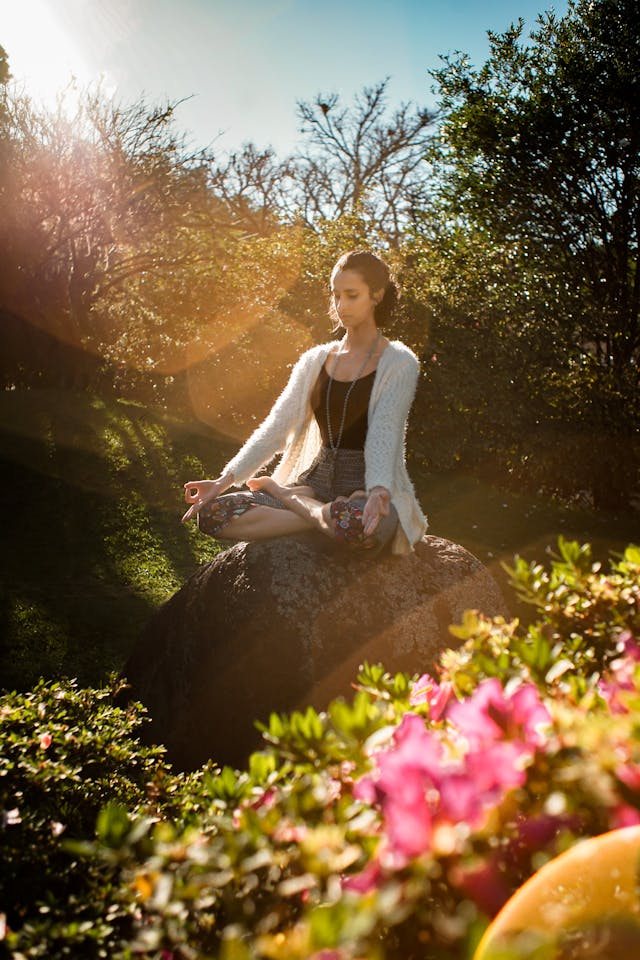
Namaskar, Many people struggle at night turning from side to side trying to sleep. But one thing you must understand is that sleep is not something we can force the way you sometimes do force shutdown on your computer. It comes naturally when your body and mind are ready. Today I will share with you some simple and unique yogic practices even ayurvedic practices that will help you fall asleep faster and more deeply. That too without pills or supplement.
The Essential 3-2-1 Rule for Better Sleep
Before I go into detailed tips, let me tell you something very simple but extremely effective. The 3 2 1 rule. Stop eating anything 3 hours before bedtime. Avoid drinking fluids 2 hours before going to bed and switch off all screens, phones, televisions, computer at least 1 hour before you sleep. This rule is an absolute must before trying any other tips or techniques. Make sure this becomes a regular part of your evening routine. What happens is that when digestion is complete, your body can rest. When your bladder is empty, sleep remains undisturbed. And when blue light is removed, melatonin in the sleep hormones naturally. Follow this 321 rhythm every night. It gently trains your body and mind to unwind and recognize that it is time to rest. Once this habit settles in, the other practices I’m about to share will work even better.
Train body to rest with simple timed habits.
Relaxing in Crocodile Pose for Restless Nights
So let’s now see what these other practices are. One simple technique is to lie down on your stomach in yoga makasa or the crocodile pose as it’s called. Place your hands folded one over the other. Rest your forehead on them. Spread your legs comfortably apart and allow your belly to press gently into the floor. Just breathe slowly watching the movement of the abdomen. This posture relaxes your sympathetic nervous system and eases the spine. It is especially helpful for those who feel restless before bed.
Cooling Pranayama: Sheetkari Breathing Technique
Another method is the cooling pranayam sit curry. Sit comfortably. Place your teeth slightly together and inhale through your mouth with a cooling sensation. Then close your mouth and exhale through the nose. Just five rounds are enough. This pranayam reduces the body heat, lowers blood pressure and activates your parasympathetic system. This is the natural state required for sleep.
Moon Gazing: Harnessing Lunar Energy for Sleep
Now third thing which you can do at night when the moon is visible especially on full moon evening. It’s moon gazing. Sit quietly. Look at the moon for a few minutes with a soft gaze. The cool white light balances your mind, soothes emotions and naturally regulates melatonin. The hormone responsible for sleep cycle. This energy of the moon is called as s. A nectarlike energy that calms pitha and anxiety.
Shavasana: The Daily Corpse Pose for Deep Relaxation
The next practice is something which I recommend everyone to do at least once every day which is shavasan or corpse pose. Close your eyes, relax the body and breathe nicely and breathe through your diaphragm for some times with a smile on your face. Just mentally watch your belly going up and down with every inhalation and exhalation. This slows down your heart rates and also lowers cortisol levels which are higher in those who struggle to fall asleep.
Ayurvedic Aromatic Remedies Near Your Pillow
In some Indian homes, people keep a pouch of a roasted aoine seed or a small piece of camper near the pillow. This is not superstition. The mild vapors coming out from these have a very soothing effect on the respiratory system. It opens up the nasal passages and creates a sense of lightness in the head. For those who experience nasal congestion at night, this simple practice can be very helpful.
Cooling the Body with Sandalwood or Vetiver Paste
For those who feel heat in the body, which often keeps people awake, Ayurved suggests applying sandalwood paste or vetiviver on the soles of the feet. Just mix a teaspoon of sandalwood powder with a little rose water to make a paste and apply a thin layer. The cooling effect lowers the peripheral body temperature. A small drop in body temperature signals your brain to initiate sleep.
Positive Affirmations to Calm the Mind Before Bed
The mind too needs a gentle guidance. Before bed, instead of letting worries bother you, repeat simple affirmations such as I am safe. I am calm and I’ll sleep peacefully. In psychology, it is shown that such self-t talk influences your subconscious mind and reduces anxiety at night.
Mental Chanting: So Hum Mantra for Effortless Sleep
And finally, the practice of mental chanting. So, hum with the breath. Inhale and think so. Exhale and think hum. This mantra is aligned with the natural sound of breathing. It harmonizes the mind with the breath. Reduces thought pattern and effortlessly leads one into meditative state where sleep comes naturally. Studies also show that this has a direct impact on your brain. Brain’s default mode network. This is the area responsible for overthinking helping your mind to let go.
Embracing Natural Sleep Through Yogic Wisdom
So now you know that sleep does not come through force. It comes when your body is cooled, your nervous system soothes, your breath is harmonious and your mind is gently guided inwards. Apart from the 321 rule which you must do every day, try one or two of these unique practices every time. If they suit you, make them part of your night routines and watch how beautifully sleep embraces you. Namaskar.
Embrace cooling, soothing practices for natural deep sleep.
FAQ: Long-Tail Questions on Natural Sleep Remedies
What are simple yogic practices to fall asleep faster without using pills or supplements?
Today I will share with you some simple and unique yogic practices even ayurvedic practices that will help you fall asleep faster and more deeply. That too without pills or supplement. One simple technique is to lie down on your stomach in yoga makasa or the crocodile pose as it’s called. Another method is the cooling pranayam sit curry. The next practice is something which I recommend everyone to do at least once every day which is shavasan or corpse pose.
How does the 3-2-1 rule help in improving sleep quality naturally?
The 3 2 1 rule. Stop eating anything 3 hours before bedtime. Avoid drinking fluids 2 hours before going to bed and switch off all screens, phones, televisions, computer at least 1 hour before you sleep. This rule is an absolute must before trying any other tips or techniques. What happens is that when digestion is complete, your body can rest. When your bladder is empty, sleep remains undisturbed. And when blue light is removed, melatonin in the sleep hormones naturally.
What Ayurvedic remedies can reduce body heat and promote better sleep at night?
For those who feel heat in the body, which often keeps people awake, Ayurved suggests applying sandalwood paste or vetiviver on the soles of the feet. Just mix a teaspoon of sandalwood powder with a little rose water to make a paste and apply a thin layer. The cooling effect lowers the peripheral body temperature. A small drop in body temperature signals your brain to initiate sleep.
How can moon gazing on full moon nights help regulate sleep cycles naturally?
Now third thing which you can do at night when the moon is visible especially on full moon evening. It’s moon gazing. Sit quietly. Look at the moon for a few minutes with a soft gaze. The cool white light balances your mind, soothes emotions and naturally regulates melatonin. The hormone responsible for sleep cycle. This energy of the moon is called as s. A nectarlike energy that calms pitha and anxiety.
What role do positive affirmations play in reducing nighttime anxiety for better sleep?
The mind too needs a gentle guidance. Before bed, instead of letting worries bother you, repeat simple affirmations such as I am safe. I am calm and I’ll sleep peacefully. In psychology, it is shown that such self-t talk influences your subconscious mind and reduces anxiety at night.

Anshu Pathak is a passionate writer and avid reader whose love for stories shapes her world. With a heart full of imagination, she weaves tales that resonate with emotion and depth. When she’s not crafting her next piece, you can find her lost in the pages of a novel, exploring new worlds and perspectives. At Moodframe Space, Anshu shares her creative journey, offering insights, stories, and reflections that inspire and connect with readers everywhere.