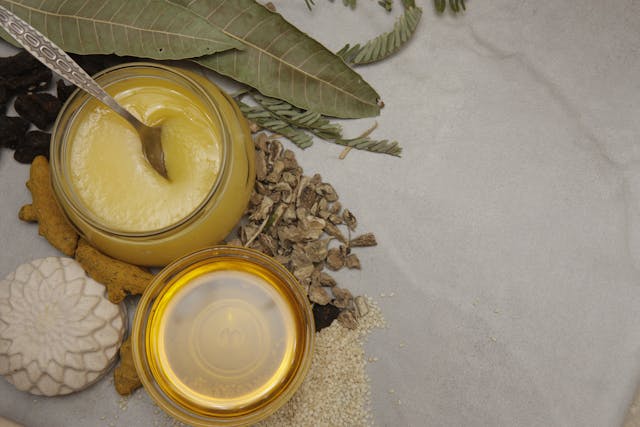
Natural Relief for Dry & Itchy Eyes: Effective Ayurvedic Remedies and Eye Health Tips

In today’s digital age, dry and itchy eyes have become a common issue, often leading to discomfort and strain. Discover simple, natural ways to soothe your eyes using Ayurvedic practices and everyday habits. This guide covers essential eye care tips to combat digital eye strain, promote moisture, and nourish eye tissues without any harsh chemicals.

Understanding Dry Eye Disease in the Digital Era

Close your eyes for a moment and now open them. Do you feel any dryness in your eyes? Do you feel tiredness or irritatedness? If your answer is yes, then you are not alone. This condition is now growing and called dry eye disease. One major reason is how our eyes behave in the digital age. Normally we blink 15 to 20 times in a minute which keeps our tear film smooth and moist. But when you stare at screen sometimes you blink just four to six blinks per minute. As a result, your tears are not spread evenly across the eyes and dryness develop. So today I’m going to give you some very simple remedies for preventing this.

“Normally we blink 15 to 20 times in a minute which keeps our tear film smooth and moist. But when you stare at screen sometimes you blink just four to six blinks per minute.” – Dr. Hansaji Yogendra

Simple Blinking Exercises for Moist Eyes

The first and simplest remedy is blinking. Every 20 minutes take a short pause and blink slowly fully about 10 times. Make sure your eyelids close completely. Many people half blink without realizing it. When you blink, it restores your tear film and helps your eye stay moist and comfortable.

Palming Technique: A Yogi’s Way to Relax Optic Nerves

Second point is palming, the yogi technique. Rub your palms together until they feel warm. Close your eyes and gently cup your palms over them without pressing. Sit quietly in that darkness for half a minute. Warmth relaxes the optic nerves, soothes the eye muscles and reduces strain. It is especially calming for students or anyone who works on screen all day.

Cooling Rose Water Compress for Instant Eye Refresh

Another beautiful remedy is rose water. Use pure chemical free rose water. Soak cotton pads in it and place them over closed eyes for 10 minutes. Rose has cooling and anti-inflammatory properties. It can hydrate, reduce and instantly refresh your tired eyes.

Nourishing Eyes with Cow’s Ghee Before Bed

And there is that traditional practice. Apply a tiny drop of cow’s ghee at the corner of each eye before sleep. Ghee is rich in vitamin A and fatty acids. It nourishes the delicate tissues around the eyes. Just make sure it is pure, preferably homemade ghee.

Combating Dry Air: Humidify Your Environment

Sometimes it’s not your eye, but the air around you that’s to be blamed. If you spend time in air conditioned room, the air becomes dry and quickly evaporates your tears. Keep a bowl of water in the room or use a humidifier. It maintains a natural moisture and prevents dryness.

Ayurvedic Nutrition for Stronger Eye Capillaries and Lubrication

What you eat also makes a difference. In ayurve, amla is considered as best rasian for the eyes. Drink amla juice in the morning. It’s full of vitamin C and antioxidants and strengthens the capillaries and reduces oxidative stress. Also include foods rich in omega3 fatty acid such as flax seed, walnuts and ghee which improves the quality of your tear film. These healthy fats acts as a natural lubricant from within.

“In ayurve, amla is considered as best rasian for the eyes. Drink amla juice in the morning. It’s full of vitamin C and antioxidants and strengthens the capillaries and reduces oxidative stress.” – Dr. Hansaji Yogendra

Triphala Eye Wash: A Rejuvenating Cleanse for Dry Eyes

Another remedy is Trifla eye wash. Boil one teaspoon of Trifla powder in a glass of water. Let it cool completely and filter it very carefully preferably through a fine mercelid cloth or a double- layered cotton cloth so that not even the smallest particle remain. Use only the clear water gently to wash your eyes. Trifla is made from amla, ritki and bibitaki and has anti-inflammatory and rejuvenating properties. It will reduce redness, dryness and irritation in your eyes. You may feel a mild tingling or little burning sensation the first few times. That is normal and usually it settles down. But if burning is strong or continues, stop immediately and rinse your eyes with clean drinking water. And those who have sensitive eyes or you had recent eye surgeries or any active infection of eyes should avoid this drifla wash.

Gentle Water Dips and Deep Relaxation for Eye Strain Relief

You can also dip your eyes in plain drinking water once or twice a day to remove dust and pollutants. If your eye feels strained, dried, try deep relaxation. Lie down and visualize the cool stream flowing gently over your eyes, washing away all fatigue. This mental imaginary works deeply on your nervous system and helps your tears to flow naturally. Even chanting Om has a powerful effect. Focus between…

Conclusion: Embrace Natural Eye Care for Lasting Comfort

Incorporating these Ayurvedic remedies and eye health tips into your routine can significantly alleviate dry and itchy eyes caused by digital strain. Remember, consistent practice is key to maintaining moist, healthy eyes naturally.

FAQ: Long-Tail Questions on Ayurvedic Remedies for Dry Eyes

What are the best Ayurvedic home remedies for dry eyes caused by screen time?

The best Ayurvedic home remedies for dry eyes caused by screen time include conscious blinking every 20 minutes, palming to relax optic nerves, and rose water compresses for cooling hydration.

How does applying cow’s ghee help with dry and itchy eyes at night?

Applying a tiny drop of cow’s ghee at the corner of each eye before sleep helps with dry and itchy eyes at night because ghee is rich in vitamin A and fatty acids that nourish the delicate tissues around the eyes.

Can amla juice and omega-3 foods like flax seeds improve tear film quality naturally?

Yes, amla juice and omega-3 foods like flax seeds can improve tear film quality naturally, as amla provides vitamin C and antioxidants to strengthen capillaries, while omega-3s from flax seeds, walnuts, and ghee act as internal lubricants.

Is Triphala eye wash safe for reducing redness and irritation in dry eyes?

Triphala eye wash is safe for reducing redness and irritation in dry eyes when prepared correctly by boiling and filtering through a fine cloth, but avoid it if you have sensitive eyes, recent surgeries, or infections, and stop if burning persists.

What simple yogic techniques like palming and deep relaxation relieve digital eye strain?

Simple yogic techniques like palming—rubbing palms warm and cupping over closed eyes—and deep relaxation by visualizing a cool stream over the eyes relieve digital eye strain by soothing muscles, relaxing nerves, and promoting natural tear flow.

Living Successfully with Crohn’s Disease: A Comprehensive Guide to Management, Tips, and Thriving

Living with Crohn’s disease—a chronic inflammatory bowel disease (IBD) that causes inflammation in the digestive tract—can feel overwhelming, but it’s entirely possible to lead a vibrant, fulfilling life. Affecting over 3 million Americans, Crohn’s impacts everything from daily routines to long-term health, yet advances in treatment, personalized lifestyle strategies, and supportive communities have empowered countless individuals to manage symptoms effectively and minimize flares. This detailed guide draws from expert recommendations to help you navigate Crohn’s with confidence. We’ll cover understanding the condition, building a robust treatment plan, dietary tweaks, lifestyle adjustments, emotional wellness, and more. By incorporating these evidence-based tips, you can focus on what matters: enjoying life’s adventures while keeping your health in check.

Whether you’re newly diagnosed or a seasoned warrior in the fight against Crohn’s, remember: success isn’t about perfection; it’s about proactive, sustainable choices that align with your unique needs. Let’s dive in.

Understanding Crohn’s Disease: The Basics and Why Management Matters

Crohn’s disease is an autoimmune condition where the body’s immune system mistakenly attacks the gastrointestinal (GI) tract, leading to symptoms like abdominal pain, diarrhea, fatigue, weight loss, and malnutrition. Unlike ulcerative colitis, which is confined to the colon, Crohn’s can affect any part of the digestive system from mouth to anus, often in patches.

Key Symptoms to Watch For

  • Persistent abdominal cramping and bloating: Often worsened by meals.
  • Frequent diarrhea: Can lead to dehydration if unmanaged.
  • Fatigue and unintended weight loss: Due to nutrient absorption issues.
  • Flares: Sudden intensifications of symptoms, triggered by stress, diet, or infections.

Early recognition of these signs is crucial. For instance, tracking symptoms in a journal can help you spot patterns, such as pre-menstrual worsening in women, allowing for timely interventions. Understanding your body’s signals empowers you to act before a minor discomfort escalates into a full flare.

The Impact on Daily Life

Crohn’s doesn’t just affect your gut—it influences work, relationships, travel, and intimacy. However, with tailored strategies, many people with Crohn’s maintain careers, start families, and pursue passions. The goal? Achieving remission, where symptoms are minimal or absent, to reclaim control.

Building a Personalized Treatment Plan: Partnering with Your Healthcare Team

No two Crohn’s journeys are identical, so your treatment should reflect that. Start by assembling a multidisciplinary team: a gastroenterologist, nutritionist, therapist, and possibly a surgeon for severe cases.

Medication Strategies

  • Anti-inflammatories: Aminosalicylates (e.g., mesalamine) as a first-line defense to reduce gut inflammation.
  • Immunosuppressants and biologics: Drugs like azathioprine or infliximab calm the overactive immune response and prevent flares.
  • Side effect management: If nausea or headaches arise, discuss switches or over-the-counter remedies with your doctor. Regular blood work ensures safety.

Monitoring and Adjustments

Stay proactive: Update your doctor on any symptom shifts, as plans may need tweaking. Aim for remission maintenance with consistent meds—non-compliance is a common flare trigger. For those planning pregnancy, achieve 3-6 months of remission off steroids beforehand for the best outcomes.

Dietary Strategies: Fueling Your Body Without Fueling Flares

Diet plays a starring role in Crohn’s management, but there’s no one-size-fits-all “Crohn’s diet.” The key is personalization—track tolerances via a food diary and collaborate with a registered dietitian. Focus on nutrient-dense foods to combat malabsorption while avoiding irritants.

General Nutrition Tips

  • Eat smaller, frequent meals: Every 3-4 hours to ease digestion and stabilize energy.
  • Boost calories and protein post-flare: Use shakes like Peptamen if appetite lags.
  • Incorporate anti-inflammatories: Omega-3s from salmon, mackerel, or sardines can soothe the gut.

Foods to Embrace and Avoid

CategoryRecommended Foods (Remission/Well-Tolerated)Foods to Limit/Avoid (Especially During Flares)
Fruits & VeggiesCanned or cooked fruits (applesauce), tender cooked veggies (carrots, potatoes)Fresh fruits/veggies, prunes, skins/seeds
Grains & StarchesOatmeal, white/sourdough bread, rice, mashed potatoes, whole wheat noodlesNuts, seeds, corn, popcorn, high-fiber bran
ProteinsLean chicken/turkey, fish (salmon), cooked eggsBeans (if strictures present), fatty/red meats
DairyLow-fat/nonfat if tolerated; lactose-free alternativesFull-fat milk, ice cream (if lactose intolerant)
OtherDiluted juices, herbal teasCaffeinated drinks, alcohol, concentrated sweets (soda, candy)

During flares, opt for a low-residue diet to reduce stool output and pain—think soft, bland solids like plain chicken or oatmeal. In remission, gradually reintroduce fiber from cooked sources. If fat malabsorption causes oily stools, cut high-fat items and consult a pro.

Pro tip: Test for intolerances like lactose (via breath test) or gluten to pinpoint culprits.

Lifestyle Modifications: Moving, Resting, and Stress-Busting for Long-Term Success

Lifestyle tweaks can be as impactful as meds. Small changes compound into big wins.

Exercise: Build Strength Without Strain

Regular activity reduces stress, aids weight management, and bolsters immunity. Start low-impact:

  • Swimming or walking: Gentle on joints, relieves pain.
  • Strength training: Helps with bone density (Crohn’s increases osteoporosis risk).
  • Aerobics: Improves sleep and fights fatigue.

Pause during flares and resume gradually. Aim for 30 minutes most days, doctor-approved.

Stress Reduction and Sleep

Stress is a notorious flare trigger—practice mindfulness, yoga, or journaling. Prioritize 7-9 hours of sleep; create a wind-down routine sans screens.

Smoking Cessation and Other Habits

Quit smoking immediately—it worsens symptoms and flare risk. Limit NSAIDs (like ibuprofen), which irritate the gut.

Travel and Work Hacks

  • Emergency kit essentials: Wipes, spare clothes, meds, and a bathroom locator app.
  • Workplace accommodations: Under laws like the ADA, request flexible hours or private bathrooms.
  • Intimacy tips: Communicate openly; use aids for performance issues if needed.

Managing Flares: Early Detection and Quick Recovery

Flares can strike unannounced, but preparation is your superpower. Recognize early signs like increased fatigue or cramping, and act fast.

Flare Action Plan

  1. Contact your doctor: Adjust meds or add antidiarrheals/antispasmodics.
  2. Simplify diet: Low-residue all the way; sip clear liquids if needed.
  3. Rest and hydrate: IV fluids may be necessary for dehydration.
  4. Track triggers: Stress, infections, or diet slips? Log it.

Post-flare, rebuild slowly: Start with liquids, advance to solids over days. Complications like fistulas require prompt antibiotics or surgery—report drainage or pain ASAP.

Emotional and Mental Health: The Unsung Hero of Crohn’s Management

Crohn’s toll extends to the mind—depression and anxiety affect up to 30% of patients. Prioritize mental wellness to avoid stress-induced flares.

Coping Strategies

  • Therapy and counseling: Address intimacy fears, body image, or work stress.
  • Mindfulness practices: Meditation apps or deep breathing for daily calm.
  • Journaling: Vent frustrations and celebrate wins.

Building Resilience

Set boundaries at work, nurture hobbies, and forgive flare setbacks. Remember, vulnerability strengthens connections—share your story to combat stigma.

Fostering a Support System: You’re Not Alone

Isolation amplifies challenges, so lean on others:

  • Family and friends: Educate them on your needs for empathy.
  • Support groups: Online forums via the Crohn’s & Colitis Foundation offer camaraderie.
  • Online communities: Reddit’s r/CrohnsDisease or patient apps for real-time advice.

For parents or partners, open dialogues ensure everyone thrives.

Resources for Ongoing Success

  • Crohn’s & Colitis Foundation: Free guides and events (crohnscolitisfoundation.org).
  • MyCrohnsAndColitisTeam: Peer support platform.
  • Dietitian referral: Via your doctor for customized plans.

Conclusion: Embrace the Journey with Crohn’s

Living successfully with Crohn’s disease means adapting without surrendering joy. By mastering your treatment, fine-tuning your diet, embracing movement and mindfulness, and surrounding yourself with support, you can minimize disruptions and maximize fulfillment. It’s a marathon, not a sprint—celebrate progress, seek help unapologetically, and know that remission is achievable.

Consult your healthcare provider before implementing changes, as this guide is for informational purposes. What’s one tip you’ll try today? Your empowered life with Crohn’s starts now. For more personalized advice, connect with a specialist today.

Full Body Stretch Routine for Relaxation and Flexibility

Welcome to a soothing and effective full body stretch routine designed to help you relax, release tension, and improve flexibility. Whether you’re a beginner or a seasoned yogi, this guided session is perfect for anyone looking to stretch their entire body in a calm, controlled manner. Let’s dive into this relaxing practice that will leave you feeling rejuvenated.

Why Choose a Full Body Stretch Routine?

Stretching is an essential part of maintaining a healthy, flexible body. This routine targets key muscle groups, including the neck, shoulders, back, hips, and hamstrings, to help you release tension and improve mobility. By following along, you’ll enjoy a super relaxing experience that can be tailored to your pace and comfort level.

Warm-Up: Upper Body and Neck Stretches

Shoulder and Arm Circles

All right we’re going to begin while we’re stay standing take your feet nice and wide hands on the shoulders everything today is going to be super slow and you can go at your own pace we’re just going to circle the arms backwards if you need to take something slower than me or you want to hold a stretch longer than me by all means do what feels best for your body you know your body best so drawing really big circles with those elbows good forwards good and release those arms down.

Neck Stretches

We’re going to warm up our neck or stretch out our neck we’re going to turn the head to the right pressing your shoulders all the way down and all the way to the left and to the right and to the left back to the right we’re going to tuck our chin down towards our right shoulder and then Circle it around towards the chest and to the left nice and slow going back the other way one more time each side good head facing front we’re going to drop the right ear to the right shoulder we’re not forcing it but we’re pressing our shoulders down trying to lengthen this space between the ear and the shoulder let your head feel nice and heavy and other side one more time each side good head comes back up to Center.

Shoulder Shrugs and Chest Openers

We’re going to squeeze our shoulders up towards our ears really bringing all the tension up towards the ears and then let it go we’ll do that a couple times you can do this as many times as feels good for you nice big exhale when you release last time and exhale Shake It Up fingertips are going to come behind the head we’re going to collapse everything forward bringing elbows across our face looking down towards our belly button chin tucks to chest and then we’re going to do the opposite open up those elbows opening up the chest lifting looking towards the ceiling good last time really contract exhale feel that stretch in the back and then opening those elbows good coming back to neutral spine release those hands down behind you we’re going to clasp them behind the back and what we’re going to do is stretch those arms open up the chest and the shoulders pointer fingers come out so we’re pointing away from the body and we’re going to lift the hands slightly away from the back so you might feel this stretch in the front of your shoulders and biceps and release one more time lift and release last time lift and this time we’re going to bring it all the way over letting those arms feel heavy if you need to you can have a soft Bend here in your knees we want the upper body to feel heavy like a weight and you’re hinging at the hips good and you can release those arms down to the mat release any tension you have in your neck here so we don’t want to be looking forward we’re let that head go no tension in the shoulders or the neck.

Lower Body Stretches: Hips and Inner Thighs

From here we’re going to bend our right knee so Shifting the weight into our right leg you’re going to feel that stretch on the left inner thigh and we’re going to move our hands towards that right foot so we’re shifting our weight here of us change our with every and over to the left if you’re not feeling the stretch in your inner thigh on the leg that’s straight I want you to think about drawing that inner thigh towards the ground or towards your supporting leg good one more time to the right and last time to the left good coming back through Center we’re going to heel toe those feet in coming all the way down and sitting on the bum.

Spinal Mobility: Cat-Cow and Spinal Rolls

We’re going to shift it over into a tabletop position for some cat cows so we’re really going to focus on the spine here so we’re stacking shoulders over wrists and hips over knees we’re going to start by drawing the belly button down towards the ground lifting up with our gaze pressing the shoulders back and then doing the opposite pressing the ground away with the heels of our hands and lifting that belly button up towards the sky really rounding out that back now you can take these at your own pace good and when you’re ready we’re going to do some spinal rolls so we’re going to roll through in this cat position towards your hands once we get to here we’re going to press back through that cow position back almost into a child’s pose so we’re just waving or rolling through the spine here it should be a really fluid motion good and you can take any organic movements here that feel good maybe rocking to the side rolling through the spine in a circle good and meeing me back in neutral spine here in this tabletop position.

Mid-Back and Chest Opening Stretches

We’re going to take our right arm and we’re going to open it up so Hand lifts towards the ceiling and so does the Gaze we’re opening up that chest and then we’re going to feed this right arm through so our right shoulder is on the ground left palm is still on the ground and you can actually put pressure into that left palm to increase the stretch here this is going to really stretch out that mid back where I would say the majority of us hold a lot of tension if you’d like to increase the stretch here you can take your left arm and bring it up towards above your head fingertips down on the ground same thing pressing into that hand to increase the stretch if left arm is above your head you’re going to bring that Palm back down to the ground pressing through that left arm and opening up again to the right lifting that right arm towards the ceiling good back down to Center we’re going to do the same thing on the left side so taking the left arm opening up to the left side and then feeding it through left shoulder down on the ground pressing into that right arm to increase the twist option to bring right arm up above head right palm comes back to the ground pressing through that right arm and opening up to the left good and back to tabletop.

“Release mid-back tension with slow, intentional twists for deeper relaxation.”

Downward Dog and Lunge Stretches

We’re going to step it out into a high Plank and press it back into down dog position hips are going straight up to the ceiling and if you need to you can pedal out those feet stretching out those hamstrings and when you’re ready we’re going to step the left foot in towards the center of our body and we’re going to lift the right foot up into single leg dog sending our weight down into our supporting leg feeling that stretch in the left leg hips are square and we’re going to step it through right foot comes into a lunge hands on either side of the foot making sure that back left leg is straight we’re going to take our right arm and twist and open up to the side right hand comes back back down but this time it’s going to come on the inside of your right foot you’re going to heel toe that right foot out just slightly we’re going to bring that left knee back down to the ground you can untuck those toes and we’re going to let this right knee fall out to the side you’re going to feel that stretch deep in that hip and maybe in that right glute you can also come down to your forearms here if you’d like coming back up to the hands if you’re on the forearms pressing down through that foot knee comes back to Center we’re going to heel toe back and right hand comes to the other side of the foot so hand is on either side here from here we’re going to send both hips back flexing that right foot out in front of us we want to make sure that we’re drawing both hips back equally this is where you’re going to feel that nice deep stretch in the hamstring this is also where your blocks may come in handy to really get into that deep stretch in your hamstring this is where a lot of us are quite tight we don’t have a lot of flexibility so it’s important to allow the body to relax into the stretch because naturally we’re going to try and fight it because it’s painful so drawing both hips back flexing that front foot I want you to try and keep a nice flat back here you can use your blocks to help support you whether that be like this on the forearms or just here on the hands we want to sit deep into the stret and hold believe this is maybe go a little bit deeper good and coming back through to our lunge keeping that back left leg on the ground knee is on the ground we’re going to lift both arms up here sending our hips down and forward stretching out the right or the left hip flexor you can place hands down on your knees or if you’d like to increase the stretch you can lift left arm up and lean it over towards the right good coming back through Center hands on either side of the foot we’re going to tuck those toes back under those left toes stretch the left leg and step it through plank press it back into down dog good this time we’re going to lift our left leg up so step that right foot center lifting the left leg up keeping those hips nice and square sending the right heel down into the floor and stepping it through to a lunge hands on either side of the foot back leg stays straight opening up that left arm try and stay nice and low in your lunge here left hand comes back down to the mat but on the inside of your foot this time and we can drop our back right leg untuck those toes we’re going to heel toe the left foot out slightly and then allow the knee to fall open option to come down to your forearms good coming back up up to the hands weight back onto that foot heel toe back to the center left hand comes to the outside of the foot and we are going to press it back into our hamstring stretch bringing those left toes towards us so we’re flexing that foot keep those hips nice and square pull that left hip back towards you you may find that one leg is more flexible than the other and that is normal good maybe sinking a little bit deeper good and moving back through our lunge keeping that back leg on the ground lifting those arms up here in our lunge hips are square pointing forward we’re sinking down deep into this lunge and sending the hips forward you can bring hands to knee or lifting the right arm up and leaning over to the side good moving back through Center hands come down on either side of the foot we’re tucking the back toes stretching that leg stepping back into a high plank press it back bending those knees and jump those feet forward.

“Deep hamstring stretches enhance flexibility with mindful, relaxed movements.”

Hip and Glute Stretches

We’re going to sit it down on our bums this is where your blocks may also come in handy as well we are going to stretch out those hips and glutes so we’re going to be stacking our foot on top of opposite knee here we want to keep your shin parallel to your body going to sit up nice and Tall on that hip bringing the other foot across if you’re stacking ankle over knee this is going to give you the biggest stretch the more you bring that foot down the leg the less of the stretch in the hip so you know your body best but using blocks here underneath this knee to help support you in the stretch will again allow this leg to rest and relax into this stretch versus tensing and holding so you can use one block like so or you can just have it here totally up to you we want to set up nice and tall and just try and allow the body to relax if you want to increase the stretch we can walk it Forward slightly trying to keep a flat back thinking about hinging at the hips here okay to leave a little the in good and slowly coming up and slowly releasing that leg you can stretch it shake it out and we’re going to do the other side same thing you might find one hip is tighter than the other and that happens for sure it’s why it’s important to stretch unilaterally and do one leg at a time one hamstring at a time you can see where you hold your tension if you’re walking forward Envision hinging at the hips and folding over good and slowly coming up nice job.

“Targeted hip stretches relieve tightness with supported, gradual movements.”

Spinal Twists and Final Stretches

All right last little stretch we’re going to come down onto our backs we’re going to have right leg extended nice and long thinking about reaching your toes to that opposite wall and then we’re going to bring our left knee into the body keeping that knee straight so we’re not letting the knee fall open just bringing it in nice and straight from here we’re going to bring that left knee across the body and left arm is going to extend straight out from the shoulder so in a tea position and right arm is going to do the same we’re going to look towards our left arm letting that left knee feel heavy so really feeling that twist in the spine so we’re thinking about getting our left knee to the ground and our left shoulder good and coming back up through Center bring that left knee into the chest again this time you can let it fall open feel that stretch in the hip you can move it across the body any kind of organic movement here that feels good on those hips and releasing the left leg down left leg is straight toes are reaching towards the opposite wall and we’re bringing the right knee into the chest this time right leg comes across the body right arm and left arm are out in a t position and we’re looking away from that leg towards the right arm letting the right knee feel heavy and the right shoulder good slowly coming back through center right knee back into the chest you can let it fall open to the side good and release that right leg down we are going to extend fingertips up above our head we’re going to Envision reaching the wall behind us with our fingertips and then reaching opposite wall with our toes so really extending feeling nice and long through the spine and then we’re going to bring it in to a ball hugging your knees giving yourself a nice big hug pressing those knees into the arms to the ceiling rounding out that back and one more time reach it out nice and long nice big stretch and into a ball good you can rock and roll yourself up to your bum.

“Spinal twists promote relaxation and mobility with gentle stretches.”

Closing with Child’s Pose

We’re just going to finish this stretch off holding a nice child’s pose and taking some nice deep breaths so I want this to be a nice deep child’s pose so really open up those knees we’ve done a lot of hip opening hip stretching so this should feel really good at the end of our stretch here reaching those fingertips forward letting that bum feel heavy and then forehead comes down to the mat taking some nice deep breaths here envisioning that you’re taking breaths deep into that low back and into your hips are beated baby me and you alone P dry faces of the Moon all through the stages both becoming seen good you can hold this child’s pose for as long as feels good for you but that is it from me today I hope you enjoyed this full body stretch sometimes we just need a really good stretch.

“Child’s pose concludes with deep, restorative breathing for relaxation.”

FAQs: Full Body Stretch Routine for Beginners

What is the best full body stretch routine for beginners?

This routine is ideal, guiding you through slow, controlled stretches targeting the neck, shoulders, back, hips, and hamstrings, with options to use yoga blocks or household items for support.

How often should I do a full body stretch routine?

You can do this stretch routine daily or as needed, adjusting the pace and duration to suit your body’s needs, as it’s designed to be gentle and customizable.

Can I do a full body stretch without yoga blocks?

Yes, you can use books or any sturdy household items as alternatives to yoga blocks to support your stretches and enhance relaxation.

How long should I hold each stretch in a full body routine?

Hold each stretch for as long as feels good, typically 15-30 seconds, and go at your own pace to maximize comfort and flexibility.

What are the benefits of a daily full body stretch routine?

Daily stretching improves flexibility, reduces muscle tension, enhances mobility, and promotes relaxation, especially in tight areas like the hips and hamstrings.

How do I stretch my hips and glutes effectively?

Stack one foot over the opposite knee, keep your shin parallel, and use blocks for support to relax into the stretch, hinging at the hips for deeper relief.

Is a full body stretch routine suitable for all fitness levels?

Absolutely, this routine is beginner-friendly and adaptable, allowing you to modify stretches based on your flexibility and comfort level.

Discover the Power of Diaphragmatic Breathing: Transform Your Life with Yogendra Pranayam 4

Namaskar. I want to ask you something. Do you ever feel that your body is always in an alert mood? Racing thoughts, shallow breathing, no energy left by afternoon. In today’s world, stress has become our default setting. And it quietly affects everything. Your health, your relationship, your productivity, even your sense of purpose. That is why today I want to guide you with a powerful yogic practice that can truly change your life. It’s simple, time-tested and transform thousands of people in their lives.

What is Diaphragmatic Breathing?

The technique I’m talking about is diaphragmatic breathing or yogendra pranayam 4. This practice uses slow deep breath engaging the diaphragm the muscle below lungs to inhale fully followed by natural effortless exhalation. When your diaphragm works efficiently, it powers nearly 75% of each breath, restoring calm, clarity, and control. It brings lasting change to how you feel, think, sleep and heal because it works directly on your nervous system.

Key Benefits of Diaphragmatic Breathing

1. Improves Heart and Lung Function

First and foremost, yogendra pranayam number four improves your heart and lung function. Shallow breathing through chest puts strain on the heart and reduces oxygen delivery. In contrast, diaphragmic breathing improves lung capacity and oxygen exchange allowing the heart to function more efficiently. Even studies have found that practicing diaphragmatic breathing showed better respiratory function and better respiratory muscle strength. This simple technique helps your lungs become stronger which in turn makes the heart healthier by giving it more oxygen.

2. Activates the Parasympathetic Nervous System

The next major benefit of diaphragmatic breathing is that it activates your parasympathetic nervous system which controls the body’s unconscious processes like heart rate, digestion and respiration. This brings about a state of calm, lower cortisol level and helps reduce anxiety. Even studies say that this way help prevent hypertension and other cardiovascular problems. The parasympathetic system is body’s rest and digest mode. It is the healing mode, the calming mode. When you activate this system through diaphragmatic breathing, your heart rate slows, your breathing becomes smooth and rhythmic. Muscles begin to relax. Blood circulation improves. The digestive system gets activated and the mind becomes still, clear and focused.

3. Enhances Emotional Regulation

The third benefit of diaphragmatic breathing is that it helps to regulate your emotions better. When you are upset, anxious and overwhelmed, your breath automatically becomes shallow and rapid. But when you consciously slow it down and breathe deeply from the diaphragm, something shifts not just in your body but also in your mind. Studies show that diaphragmatic breathing can stimulate vagus nerve which plays a key role in calming your nervous system, supporting emotional balance. It also helps you improve emotional control and lower emotional reactivity. So in everyday life, you are less likely to snack when you are irritated or spiral when you are anxious. You learn to pause before react to respond instead of explode.

4. Reduces Stress and Cortisol Levels

The next benefit of diaphragmatic breathing is that it reduces the stress hormone called cortisol. You may not realize it, but your breath is one of the fastest ways to shift your body out of stress mode. When you’re constantly rushing, worrying, and multitasking, your body releases cortisol, the hormone linked to stress. Elevated cortisol over long period leads to fatigue, weight gain, poor sleep, and even burnout. But when you practice diaphragmatic breathing, your body begins to relax. Your breath deepens, your heart rate slows and your cortisol level begins to drop gently naturally without needing any pills or distraction. In fact, multiple studies have shown that just 10 minutes a day of this deep belly breathing can lead to significant reduction in cortisol and an improved sense of calm. You are not just managing stress, you are teaching your nervous system how to feel safe again.

“Diaphragmatic breathing: your body’s natural reset for calm and clarity.”

5. Alleviates Inflammation and Chronic Pain

And the last major benefit of diaphragmatic breathing that it also reduces inflammation and chronic pain. If you have been living with chronic pains, tightness or unexplained body aches, your breath might be more connected to it than you think. Chronic stress and shallow breathing creates inflammation in the body. A silent trigger behind many modern health problems like arthritis, migraine, gut issues and even autoimmune conditions. By practicing yogendra pranayam number four, you help your body return to its natural healing state. The deeper slower breath reduces body’s stress signals which in turn lowers inflammatory markers in the blood. Consistent diaphragmatic breathing can elevate chronic pains, reduce tension in the muscles and even improve mobility.

“Deep breathing heals, reducing inflammation and easing chronic pain naturally.”

How to Practice Yogendra Pranayam 4 Correctly

Now at the end look at the right technique practicing pranayam number four. Starting position lie supine and pull your knees closer to your hip. Keep one foot distance apart between two legs or hip apart. Knees close to each other. Place your hand on the navel region. One hand on the side of the body, palm facing up, eyes closed. Inhale gently moving the abdomen upwards. As soon as inhalation is complete, exhale out smoothly being aware of your abdomen falling sinking in. Keep the inhalation and exhalation count equal as per the comfort. Practice as per the capacity and comfort. When it comes to count, you should not exceed 3 seconds 10 rounds per session.

Why Yogendra Pranayam 4 is a Game-Changer

So, yogendra pranam number four helps you manage stress, regulate emotions, reduce chronic pains and restore your energy. It is not just a technique. It’s a daily reset button to get peace of mind in your life. And with consistent practice, this one habit can quietly and powerfully change the way you live, feel, and respond to life.

FAQs on Diaphragmatic Breathing and Yogendra Pranayam 4

What is the best time to practice diaphragmatic breathing?

Diaphragmatic breathing can be practiced at any time, but morning or evening sessions are ideal for consistency and relaxation.

How long should I practice yogendra pranayam 4 daily?

Start with 10 rounds of 3-second breaths, roughly 5-10 minutes, as per your comfort and capacity.

Can diaphragmatic breathing help with anxiety and stress?

Yes, it activates the parasympathetic nervous system, reducing cortisol and promoting a calm, focused state.

Is yogendra pranayam 4 suitable for beginners?

Absolutely, its simple technique is beginner-friendly and can be adapted to individual comfort levels.

How does diaphragmatic breathing reduce chronic pain?

It lowers stress-induced inflammation, relaxes muscles, and improves mobility, alleviating chronic pain naturally.

Can I practice yogendra pranayam 4 if I have respiratory issues?

Consult a healthcare provider first, but it often improves lung capacity and respiratory function when done correctly.

What are the long-term benefits of diaphragmatic breathing?

Consistent practice enhances heart health, emotional regulation, stress management, and overall well-being.

How to Cleanse Your Liver Naturally with Kalmegh in 7 Days

Introduction to Liver Health and Its Importance

Your liver is one of the most hardworking organ of your body every day without excuse or rest. It quietly filters your blood, breaks down toxins and keeps your digestion and metabolism in check. It is the body’s silent warrior filtering, cleansing and protecting. Nowadays in the fast pace of modern life, your liver quietly takes all the burden of toxins, stress, processed food and synthetic chemicals.

Signs Your Liver Needs a Detox

But if the liver gets overloaded, it can cause problems like low energy level, fatigue, unexpected weight gain, various digestive problems such as bloating, gas. The liver produces bile which aids in digestion and any disruption in the functioning can cause digestive problems. Skin issues like acne, eczema and skin rashes. Such problems occur. Liver eliminates toxins from the body and when it’s overwhelmed these toxins may get filled with alternate roots including through the skin frequently headaches, hormonal imbalance, mood swings and irritability.

Discovering Kalmegh: The King of Bitters for Liver Health

So today let’s talk about how you can cleanse toxins from liver and liver health with one herb. Yes, one herb for 7 days can help you cleanse the liver. That herb is also known as endographic parisculata. Kalme is a plant which is also known as green serita and the king of bitters. It is used for various medicinal purpose and it’s bitter in taste. In ayurve kalme is also known to be a blood purifier, liver stimulant and immunity booster. Liver protecting property comes from cuffer and pitha balancing nature. It’s mainly used for liver problems as it protects liver against damage caused by free radicals due to its antioxidant and anti-inflammatory activities. Even scientific studies have revealed calmea has anti-inflammatory property.

Three Effective Methods to Use Kalmegh for Liver Cleansing

Now let’s see three methods to use calme for liver cleansing. Remember calme is most effective when taken with empty stomach before your first meal.

1. Kalmegh Juice

Take one to two teaspoon of kalme juice. Mix it with one glass of water and take it once a day before your meal.

2. Kalmegh Leaves with Black Pepper

Second, the next method to take this herb is what you have to do is take five to 10 cal leaves. Crush it with three four black pepper corns. This particular method is more useful for ladies who suffer from period cramps and problems.

3. Kalmegh Quath (Decoction)

The third method is calme qu. For this remedy you must take half to one teaspoon of calme powder. Add 2 cups of water and boil till the quantity remains half a cup. This is kalme quat. Take 3 4 ml of kalm quat. Add the same quantity of water and drink after lunch and after dinner. Use this remedy for one to two months for better results.

Benefits of a 7-Day Kalmegh Liver Cleanse

Now let’s understand what this carme if taken for 7 days what happens to you? Kal mage gently stimulates bile flow detoxify liver balances pitha and strengthens agni in your digestive fire. So in just 7 days calmme will make you feel lighter, more energetic, very clear in your thought, more connected to your body’s rhythm.

“Kalmegh detoxifies your liver, boosting energy and clarity.”

Lifestyle Tips to Support Liver Health Year-Round

But don’t stop with the herb. Make it a habit to support your liver. Eat simple meals which do not have chemicals, preservatives or excessive sugar. Limit packaged oil and refined sugar. This stresses liver more than even alcohol. Better eat whole grain home-cooked food which is much healthier than any outside food. Cut the late night meals. Eating late forces your liver working when it is supposed to rest. Try to finish dinner by 7:30 late. Get adequate sleep. Minimize exposure to the environmental toxins. Drink warm water. Cold water slows digest. and sip warm water throughout the day to flush toxins gently. Add in a few minutes of deep breathing and meditation each morning. This will play a big role in reducing your stress and anxiety which is a big cause of liver problem worldwide. So take calm for 7 days and support it with 365 days of good habit. That is the kind of self-care your liver and your body needs. So remember that it is those little little things but done consistently that creates a real shift and that is what we are supposed to do for our health. So take charge of yourself do things systematically consistently and you would naturally be healthy, energetic and happy.

Conclusion

So now I scratch. By incorporating Kalmegh and these healthy habits, you can support your liver’s vital functions and enhance your overall well-being.

Frequently Asked Questions (FAQs)

What is the best herb for liver detoxification?

Kalmegh, also known as Andrographis paniculata, is highly effective for liver detoxification due to its antioxidant and anti-inflammatory properties.

How to use Kalmegh for liver cleansing at home?

You can use Kalmegh juice, crushed leaves with black pepper, or Kalmegh quath (decoction) as outlined in the three methods above.

Can Kalmegh help with digestive issues?

Yes, Kalmegh stimulates bile flow, strengthens digestive fire (agni), and helps alleviate bloating and gas.

How long should I take Kalmegh for liver health?

For a quick detox, use Kalmegh for 7 days; for sustained benefits, the quath method can be used for 1-2 months.

What lifestyle changes support liver health alongside Kalmegh?

Eat whole grain home-cooked meals, avoid late-night eating, drink warm water, get adequate sleep, and practice daily deep breathing or meditation.

Is Kalmegh safe for women with menstrual issues?

Yes, the method of crushing Kalmegh leaves with black pepper is particularly beneficial for women experiencing period cramps.

Why is Kalmegh called the king of bitters?

Kalmegh is known as the king of bitters due to its bitter taste and potent medicinal properties in Ayurveda.

How does Kalmegh protect the liver from toxins?

Kalmegh’s antioxidant and anti-inflammatory properties protect the liver from damage caused by free radicals and toxins.

5 Amazing Benefits of Chia Seeds: A Superfood to Boost Your Health

Namaskar! Chia seed, this type of super food which really boost your energy, is a tiny powerhouse packed with nutrients to make you feel amazing. These little seeds are high in goodness and can transform your daily health routine. Let’s have a look at the incredible advantages that your body will gain if you consume chia seed every day, straight from the wisdom I’ve shared before. Stay healthy, stay fit, and let’s see why chia seeds are so wonderful!

1. Slows Down Aging Process

Chia seeds are loaded with an an oxidants that help Fights free radical that causes cell damage and deteriorates skin tissue. These free radicals also cause heart disease, cognitive decline, and certain types of cancer. Adding a spoonful of giaid in your breakfast bowl is a simple way to prevent skin damage and early signs of aging. It’s like giving your body a shield to keep you looking young and vibrant!

2. Promotes Weight Loss

Want to feel full and avoid OV eating? Giaid makes you feel saturated and naturally prevents overeating in a day. Two table spoon full of chia seeds can give you 40% of the fiber required for a day. For a morning boost, soak half teaspoon chia seed in water overnight or for an hour in the morning. Take a glass of warm water, add 1 teaspoon lemon juice and 1 teaspoon honey mixed well and now add the soaked chia seed. Drink it on empty stomach. This lemon-chia mix can burn minimum 6 calories of energy, helping you on your weight loss journey.

3. Good for Heart

Your heart will love chia seeds! Coratin, a very beneficial antioxidant in chia seed, can help fight heart disease. The seeds are also high in fiber and Omega-3 fatty acids, which can help to lower bad cholesterol and high blood pressure, so it lowers the risk of heart disease. Soak Chia seeds over night and add them in your cereal bowls. Chia seeds can go even in Fruit juices or smoothies either in the morning or evening or in between the meals. It’s an easy way to keep your heart happy.

4. Improves Bone Strength

Chia seeds are calcium rich food, with 1 ounce containing approxim 180 mgam or 18% of daily requirement, which is important for healthy bonies. They’re also great for optimal muscle as well as nerve functioning, thanks to magnesium and phosphorus, vital for bone health. Sprinkle them on your food or mix them in smoothies to keep your bones strong and ready for action.

5. May Reduce Spike in Blood Sugar

For steady energy, chia seeds are a gem. G slows down the rate at which the body releases glucose, lowering the blood sugar increase after consuming carbohydrates in morning breakfast. This will help those with type 2 diabetes. The easiest way to ensure that you consume chia seeds regularly is to add chia seeds in your food; it can be consumed raw or soaked. Toss them into your meals for a blood sugar-friendly boost.

Final Thoughts: Add This Superfood to Your Life

So now you know how wonderful these tiny seeds are. Add this superfood to your daily diet to gain maximum benefits that I have mentioned right now as well as many more. From fighting aging to keeping your heart and bones strong, chia seeds are a simple way to level up your health. Stay healthy, stay fit, namaskar!

5 Amazing Benefits of Eating Flax Seeds Daily

Namaskar! Today, we are going to discuss a little bit about Flax Seeds, also known as linseeds or Alsi. These tiny seeds are very good to add to your diet because they have many health benefits. Let’s take a closer look at the amazing things that can happen to your body when you eat flax seeds every day.

1. Improved Digestion

One of the best benefits of consuming flax seeds daily is improved digestion. Flax seeds are rich in dietary fibers, especially soluble fibers, which help to soften the stools, making it easier to pass. Eating flax seeds daily promotes regular bowel movements, relieving constipation and giving you a healthy digestive system.

Key Benefit: Softens stools and prevents constipation with high fiber content.

2. Hormonal Balance for Women

An interesting fact about flax seeds is that they contain compounds known as lignans. These lignans have a mild estrogenic effect, which means that if women eat flax seeds daily, it will help restore hormonal balance and improve fertility. It also gives big relief from the discomfort related to PMS and menopause.

Key Benefit: Supports women’s health by balancing hormones and easing PMS and menopause symptoms.

3. Healthy Bones

From women’s health to bone health, flax seeds are very good for you. These shiny brown seeds contain essential minerals like magnesium and phosphorus, which help in maintaining healthy bones, improving bone density, and reducing the risk of osteoporosis.

Key Benefit: Enhances bone density and reduces osteoporosis risk with essential minerals.

4. Healthier Skin and Hair

Flax seeds are rich in alpha-linolenic acid (ALA), a type of omega-3 fatty acid required for maintaining healthy cell membranes throughout the body. They help maintain skin moisture, providing relief from skin dryness. Along with your skin, flax seeds are good for your hair too, making it shinier and healthier.

Key Benefit: Improves skin hydration and promotes shinier, healthier hair.

5. Relief from Dry Eyes

If you suffer from dry eyes, try eating flax seeds every day. The omega-3 fatty acids can increase the lipid or oily component of tears, improving tear quality and maintaining the eyes’ moisture balance, preventing the feeling of dryness and discomfort. Flax seeds also help reduce any inflammation in your eyes.

Key Benefit: Enhances tear quality and relieves dry eye symptoms.

Additional Benefits and Precautions

There are many more benefits to flax seeds, but some people may experience increased bowel movements or digestive discomfort when they first start eating them. This can include symptoms like bloating, gas, or stomach aches. The best way is to eat just a very little quantity of flax seeds initially to allow your digestive system to get used to the increased fiber intake.

How to Include Flax Seeds in Your Diet

It’s best to use ground flax seeds, as they are easier to digest compared to whole seeds. You

5 Morning Mistakes to Avoid

Namaskar! Nowadays, a lot of people struggle with low energy, fatigue, and bad mood early in the morning. Even those who sleep well through the night also have these problems. This happens because there is some mistake in your routine, your daily habit, like what you do on an empty stomach. For those pursuing a LifeReset or GlowUpJourney, avoiding these mistakes can transform your health and mindset. By spending just 5 minutes a day on simple habits, such as eating a small snack, you can improve digestion, stabilize energy, and support your ChangeYourLife goals. Perfect for WomenWhoRebuild or anyone starting over at 30, these practices foster a ToxicFree, HealingEra lifestyle. Today, let’s talk about five things we should never do on an empty stomach—some of these might surprise you, and you may be feeling guilty of doing them every single morning. Adopt these quick fixes for a LateBloomerGlowUp and SelfGrowth2025.

Five Things to Avoid on an Empty Stomach

1. Drinking Tea or Coffee First Thing in the Morning

When you wake up or have been hungry for some time, your stomach has a lot of acid in it. When you drink coffee or tea on an empty stomach, you are adding more acid in an already acidic atmosphere. This can lead to issues like acid reflux, bloating, and stomach discomfort over time. But that’s not all. Caffeine also masks hunger. Your body is sending signals that it needs food, but instead of giving some nutrients to the body, you are tricking it into feeling full while depriving it of real energy. The result is that you get overly hungry later in the day and end up overeating. This then causes weight gain. Instead, have a handful of dry fruits or fresh fruits at least half an hour before taking anything else like tea or coffee. This 5-minute habit will prepare your digestive system and keep your metabolism balanced, supporting your MindsetShift.

2. Skipping Breakfast

You might think skipping breakfast saves calories, but it actually spoils your metabolism. Your body needs nutrients in the morning to function properly. Skipping breakfast leads to craving and then overeating later in the day. Unstable blood sugar level is an outcome. Instead of skipping, opt for a protein-rich breakfast to keep you full and energized. This quick meal prep, taking just 5 minutes, aligns with your ChangeYourLife goals.

3. Taking Painkillers Like Ibuprofen or Aspirin

Taking painkillers like ibuprofen or aspirin on an empty stomach may irritate the stomach lining and can lead to gastritis or even ulcers at a time. So always take painkillers with food to minimize damage to your gut. Pairing them with a small snack, which takes less than 5 minutes to eat, supports a ToxicFree lifestyle.

4. Working Out Without Listening to Your Body

Many people make the mistake of doing workouts on an empty stomach without listening to their body. This might sound like a great way to burn fat, and for some people, it may work. But for many others, it does more harm than good. Without enough fuel, your body may start breaking down muscles for energy instead of burning fat, and then can lead to feeling tired, dizziness, and even muscle loss. If you prefer fasted workouts but experience these issues, listen to your body. Have a small snack like a banana or a handful of nuts 30 to 60 minutes before your workout session. If you feel strong, light,

Burn Belly Fat While You Sleep? This 5-Minute Habit Is Changing Lives!

Namaskar! Human beings spend about one-third of life just sleeping. Sleeping is a very important body process which gives you benefits like improved mood, healthy heart, regulated blood sugar, improved mental function, restored immune system, and stress relief. For those on a LifeReset or GlowUpJourney, sleep can also help you lose weight and get fit, making it a powerful habit for WomenWhoRebuild or anyone pursuing SelfGrowth2025. Yes, sleepy doesn’t make you a lazy person, but sleeping in the right way can surely make you a fit person, supporting your ChangeYourLife goals. Even scientific studies have proved that when people slept well, their fat loss was better than people who did not sleep well. By dedicating just 5 minutes a day to a sleep-focused routine, you can embrace a HealingEra and ToxicFree lifestyle, perfect for a StartOverAt30 transformation. Let’s explore how to build this life-changing habit for a LateBloomerGlowUp.

How Sleep Supports Weight Loss

If your body doesn’t sleep adequately, the amount of the hormone ghrelin in your body increases. Ghrelin is primarily produced by the cells of your stomach, and it increases your drive to eat. Higher ghrelin levels can lead to reduced energy expenditure, increase hunger and food intake, promote retention of fat, and increase hepatic glucose production. Sleep also helps regulate cortisol levels, which are a major cause of belly fat and weight gain. It also helps with the secretion of melatonin and serotonin, which play a powerful role in metabolism and fat burning. By incorporating a quick sleep-prep routine, you can optimize these processes for a MindsetShift toward better health.

A 5-Minute Sleep Routine for Fat Loss

Here’s a simple routine, with key steps taking just 5 minutes or less, to set your body for optimal fat burning while you sleep:

1. Stretch and Unwind with Asanas (4 Minutes)

A few gentle asanas before you sleep can do wonders for your metabolism. Asanas like child pose or balasana, seated spinal twist and forward bend or paschimottanasana, and shavasana can help lower cortisol, the stress hormone which is linked with weight gain. Plus, stretching improves blood circulation, which aids in fat breakdown. This quick practice supports your HealingEra by reducing stress.

2. Mindful Breathing with Pranayama (5 Minutes)

Stress is a major culprit behind belly fat. A quick deep breathing session can calm your nervous system and lower cortisol levels. Try Yogendra Pranayama Number One or equal breathing, or Yogendra Pranayama Number Four, that is diaphragmatic breathing, for around 5 minutes. This will help you sleep deeper and improve overall health, which is an excellent way to boost fat metabolism in your body, aligning with your SelfGrowth2025 goals.

3. Metabolism-Boosting Nighttime Drink (1-2 Minutes)

Sip on some turmeric milk with cinnamon and nutmeg. Milk has tryptophan, an essential amino acid that plays a crucial role in the production of serotonin and melatonin, two neurotransmitters vital for regulating the sleep-wake cycle. Moreover, milk is an excellent source of calcium, which has been linked to improved sleep quality. Calcium helps the brain use tryptophan to manufacture melatonin, potentially enhancing a sleep-promoting effect. Even research has proved that calcium helps you sleep faster and deeper, and cinnamon has the ability to regulate blood sugar levels. This plays a role in promoting better sleep and also in fat metabolism. This drink helps reduce inflammation, stabilize blood sugar, and promotes fat metabolism while you sleep, making it a ToxicFree addition to your routine.

4. Prepare a Good Sleep Environment (1-2 Minutes)

Start by turning off screens at least 30 minutes, better 1 hour, before bed to boost melatonin production, which helps regulate metabolism. Keep your room cool; studies show that sleeping in a slightly cool environment increases brown fat activation, which burns calories. Try to get at least 7 to 8 hours of sleep because poor sleep disrupts hunger hormones, leading to weight gain. These quick adjustments support your ChangeYourLife journey.

Start Your Sleep Habit Today

So that’s all you have to do for a few minutes before going to bed to set your body for optimal fat burning while you sleep. While the full routine may take up to 10 minutes, key steps like mindful breathing or sipping turmeric milk can be done in 5 minutes or less, making it a perfect habit for your LifeReset. Give this routine a trial and just see how you feel. Namaskar!

FAQ

How does sleep help with weight loss?

Sleep regulates ghrelin and cortisol levels, reducing hunger and fat retention, while boosting melatonin and serotonin for better metabolism, supporting your GlowUpJourney.

What are the key steps in a 5-minute sleep routine?

Practice 5 minutes of pranayama or sip turmeric milk with cinnamon and nutmeg to promote sleep and fat metabolism, aligning with your MindsetShift.

Why is a cool sleep environment important?

A cool room increases brown fat activation, which burns calories, and turning off screens boosts melatonin, aiding your ChangeYourLife goals.

How does turmeric milk aid sleep and fat loss?

Turmeric milk with cinnamon contains tryptophan and calcium, promoting melatonin production for deeper sleep, while cinnamon stabilizes blood sugar for fat metabolism, perfect for a ToxicFree lifestyle.

What if I can’t commit to the full routine daily?

Start with one step, like 5 minutes of pranayama or turning off screens early, to build consistency for your StartOverAt30 transformation.

Why Ghee is a Superfood

Namaskar! Today let’s talk about something extraordinary, that is ghee. Yes, the same common ghee that your mother and grandmother lovingly fed you. Pure ghee became a healthy villain a few years ago, but now it’s making a comeback as a superfood. Whether you are confused whether ghee is a villain or a hero in your health and fitness journey, this guide will help you embrace ghee as part of your LifeReset and GlowUpJourney. By incorporating ghee into your daily routine, you can unlock incredible health benefits in just 5 minutes a day, perfect for WomenWhoRebuild, those starting over at 30, or anyone pursuing SelfGrowth2025 in a ToxicFree, HealingEra lifestyle. Keep reading because today we are going to understand secrets of eating ghee everyday to support your ChangeYourLife journey.

Why Ghee is a Superfood

Ghee is a form of clarified butter. It’s made by simmering milk and butter to remove milk solids and water, leaving behind pure golden fat. Pure ghee is full of essential nutrients like healthy fat, vitamin A, D, E, and K, antioxidants, and butyrate, a short chain fatty acid that’s great for gut health. One tablespoon of ghee contains 130 calories and 15 grams of fat. Ghee is lactose-free, so those who have dairy intolerance can also have ghee. You create ghee by removing milk solids; because of this, it has a very small amount of lactose and casein. Ghee becomes a good source of fat for people who are lactose intolerant and have dairy allergy, making it a perfect addition to your LateBloomerGlowUp.

Health Benefits of Consuming Ghee Daily

Boosts Digestion and Gut Health

Ghee boosts digestion and improves your gut health. According to Ayurveda, ghee stimulates digestive fire or agni, improving metabolism and better nutrient absorption. Major vitamins like A, D, E, and K are fat-soluble vitamins, which means your body needs healthy fat to be able to use these vitamins. Ghee is full of such healthy fat, which allow your bodies to absorb these vitamins. The butyrate in ghee also helps heal the gut lining and reduce inflammation, supporting your HealingEra.

Aids Weight Management

Ghee can help you manage your weight. Even research shows that CLA or conjugated linoleic acid, which is present in ghee, helps burn stubborn fat. Understand that all fats are not bad. In fact, your body needs good fat, and the right fat with the right fitness regime can even help you lose weight, aligning with your MindsetShift toward health.

Improves Brain Function

Ghee improves your brain function. Ghee has omega-3 fatty acids, which are crucial for brain health. Regular consumption is linked to better memory, concentration, and cognitive function, fueling your SelfGrowth2025.

Enhances Skin, Hair, and Immunity

Did you know that healthy fat and vitamin E, which is present in ghee, keeps your skin glowing and hair healthy? It strengthens your immunity and protects you from infection because of the antioxidants it contains, supporting your ChangeYourLife journey.

How to Incorporate Ghee into Your Daily Routine

Now let’s look at the big question in your mind: how much ghee you should consume daily, and what’s the best way to include it in your diet? Let me give you a golden rule for this: start with one to two teaspoons per day. Here are some easy ways to incorporate ghee into your routine for a LifeReset:

  1. Morning Ritual: Make ghee a part of your morning ritual by adding a teaspoon of ghee to warm water or milk and drink it first thing in the morning. This aids digestion and gives an instant energy boost.
  2. Cooking: Use ghee instead of refined oil for cooking, sautéing vegetables, and tempering.
  3. Spread: Enjoy it on your chapati and parathas.
  4. Keto Coffee: If you want to be experimental, add it to your black coffee. A small dose of ghee and your coffee becomes a perfect keto-friendly coffee alternative.
  5. With Meals: Relish ghee with rice and dal.

These simple habits take just minutes a day, making ghee a powerful addition to your StartOverAt30 transformation.

Debunking Common Myths About Ghee

Let’s look at some common myths about ghee:

  • Myth 1: Ghee is unhealthy and causes weight gain. The truth is that when you eat ghee in moderation, it does not harm you. While it is true that ghee is rich in saturated fat, having it in moderation will not lead you to weight gain. Follow the principles that your calories in saturated fat should be less than 10% of your total calories that you consume in a day, whether you get that from ghee or any other fat source. Make sure to keep it under this percentage.
  • Myth 2: Ghee is bad for the heart. Excess ghee with a sedentary lifestyle is what gives you cardiovascular problems. If you moderate your consumption of ghee and commit to at least 30 minutes of physical activity in a day, you will be fine.
  • Myth 3: Ghee is difficult to digest. The reality is the opposite; ghee is easier to digest than other oils as it contains butyric acid, which is considered beneficial for your digestive health. It can also prevent constipation. However, you must be mindful of your ghee intake; always remember that excess of anything is going to harm your digestion.

Embrace Ghee as a Modern Superfood

Remember, when consumed in moderation, ghee can be a tasty addition to your diet. So go ahead and enjoy your ghee with responsibility. It’s not just an ancient tradition; it’s a modern superfood with incredible benefits. Choose well, stay healthy, and keep nourishing your body in a right way. Namaskar!

FAQ

What is ghee, and why is it special?

Ghee is clarified butter made by simmering milk and butter to remove milk solids and water, leaving pure fat rich in vitamins A, D, E, K, antioxidants, and butyrate, ideal for a ToxicFree LifeReset.

How much ghee should I consume daily?

Start with one to two teaspoons per day, ensuring saturated fat is less than 10% of your daily calories, supporting your GlowUpJourney with moderation.

How does ghee benefit digestion?

Ghee stimulates digestive fire (agni) per Ayurveda, improves metabolism, aids nutrient absorption, and heals the gut lining with butyrate, fostering a HealingEra.

Can ghee help with weight loss?

Yes, the CLA in ghee helps burn stubborn fat when paired with a fitness regime, aligning with your ChangeYourLife goals.

Is ghee safe for lactose-intolerant individuals?

Ghee is lactose-free, with minimal lactose and casein, making it a safe, nutrient-rich fat source for those with dairy intolerance, perfect for SelfGrowth2025.