Harry Potter and the Sorcerer’s Stone: A Magical Gateway to Wonder and Wonderment

By J.K. Rowling
*Published: 1997 (Scholastic edition in the U.S., retitled from the original British *Philosopher’s Stone*)
*Genres: Fantasy, Young Adult, Adventure*
Rating: 4.5/5 Stars (A timeless classic with minor pacing hiccups in its earliest breaths)

J.K. Rowling’s Harry Potter and the Sorcerer’s Stone isn’t just a book—it’s a phenomenon that reshaped modern literature, igniting the imaginations of millions and spawning a cultural empire. As the inaugural installment in the seven-book saga, it introduces us to a world where the ordinary collides with the extraordinary, and the mundane muggle life gives way to a hidden realm of witches, wizards, and whispering portraits. Published in 1997, this debut novel catapulted Rowling from obscurity to literary stardom, selling over 120 million copies worldwide and earning a spot on every “best children’s book” list imaginable. If you’re new to the series or revisiting it in 2025 (perhaps inspired by the latest HBO adaptation buzz), this review dives deep into why it endures as a spellbinding entry point to one of fiction’s greatest universes—without spoiling the surprises that make it so addictive.

Plot Summary: From Cupboard to Castle

At its heart, Sorcerer’s Stone is a classic hero’s journey wrapped in the trappings of British boarding school whimsy. We meet eleven-year-old Harry Potter, an orphaned boy who’s spent a decade in a nightmarish suburban existence under the thumb of his neglectful, horse-faced Aunt Petunia and her blubbery Uncle Vernon. Harry’s life is a parade of chores, a cupboard under the stairs as his bedroom, and zero birthday presents—until a peculiar letter arrives, addressed to him, sparking a whirlwind of revelations.

Without delving into the plot’s enchanted twists (trust me, the joy is in the discovery), the story transports Harry to Hogwarts School of Witchcraft and Wizardry, a sprawling castle brimming with moving staircases, talking hats, and classes in everything from Potions to Care of Magical Creatures. There, Harry befriends a bushy-haired know-it-all named Hermione Granger and a lanky, ginger-haired Ron Weasley, forming a trio that becomes the emotional core of the series. Together, they navigate schoolyard rivalries, midnight feasts, and a sinister undercurrent threatening the wizarding world—a mystery that pulls Harry toward his destiny as “The Boy Who Lived.”

Rowling masterfully balances high-stakes adventure with the everyday awkwardness of adolescence. Quidditch matches (a broomstick sport that’s equal parts soccer, polo, and aerial dogfight) provide pulse-pounding excitement, while quieter moments—like Harry’s first glimpse of the wizarding Diagon Alley—evoke pure, childlike awe. Clocking in at a brisk 309 pages, the narrative zips along like a Firebolt broom, though it occasionally stumbles in its opening chapters with overly drawn-out Dursley drudgery. It’s a setup that pays off handsomely, building Harry’s outsider status into a relatable underdog arc.

Characters: A Cauldron of Archetypes and Depth

Rowling’s greatest alchemy lies in her characters, who leap off the page as vividly as a phoenix from the flames. Harry is the quintessential everyman hero: brave yet bewildered, marked by a lightning-bolt scar that hints at a tragic past he can’t quite recall. His vulnerability—grappling with fame he never asked for—makes him instantly endearing, especially for readers who’ve ever felt like the odd one out.

The supporting cast is a treasure trove of eccentricity. Ron Weasley, from a boisterous, pure-blood family of limited means, brings comic relief and unwavering loyalty, his freckled face often twisted in mock horror at spiders or his sister’s bossiness. Hermione, the muggle-born prodigy, evolves from an insufferable swot to a fierce advocate for justice, her encyclopedic knowledge tempered by a growing emotional intelligence. Then there’s the faculty: the enigmatic Headmaster Albus Dumbledore, twinkling with wisdom and lemon drops; the bat-like, grudge-holding Potions Master Severus Snape, whose oily disdain hides layers we’ll unpack in later books; and the absent-minded Professor Quirrell, whose turban conceals more than bad fashion sense.

Even minor players like the pompous Draco Malfoy (Harry’s sneering nemesis) or the gamekeeper Hagrid (a half-giant with a heart as big as his beard) feel fleshed out, their quirks adding flavor to Hogwarts’ bustling ecosystem. Rowling draws from classic British lit—think Tom Brown’s School Days meets folklore—but infuses it with modern inclusivity, subtly challenging prejudices around bloodlines and backgrounds. It’s no wonder fans still debate Slytherin vs. Gryffindor house loyalties two decades later.

Themes: Magic in the Mundane, Friendship as the True Spell

Beneath the spells and sorcery, Sorcerer’s Stone weaves profound themes with a lightness that belies their weight. At its core is the power of choice over destiny: Harry’s “chosen one” status isn’t about innate superiority but how he wields his gifts amid temptation and doubt. The book gently skewers classism and elitism in the wizarding world, mirroring real societal divides, while celebrating the magic in everyday kindness—whether it’s a chocolate frog or a well-timed Wingardium Leviosa.

Friendship emerges as the series’ North Star, a counterpoint to isolation. Harry’s bonds with Ron and Hermione aren’t just plot devices; they’re lifelines, teaching that true power comes from collaboration, not solitary heroics. There’s also a whisper of loss and resilience—Harry’s orphanhood echoes universal grief—handled with sensitivity that resonates across ages. For young readers, it’s empowering; for adults, it’s nostalgic, reminding us that wonder doesn’t expire after childhood.

Rowling’s worldview is optimistic yet grounded: evil exists, but so does the redemptive spark in unexpected places. In an era of dystopian YA gloom, this book’s hopeful glow feels like a Patronus charm against cynicism.

Writing Style: Whimsical Prose with a Dash of Dickens

Rowling’s prose is a delight—elegant yet accessible, laced with dry British wit and vivid sensory details. She paints Hogwarts with strokes of pure imagination: “The common room was a circular room divided into two by the great, crackling fire,” or the Forbidden Forest’s “thick, unpleasant smell of damp rot.” Her dialogue crackles, from Hagrid’s mangled grammar (“Yer a wizard, Harry”) to the Weasley twins’ mischievous banter.

Pacing-wise, it’s mostly pitch-perfect, blending exposition with action like a well-brewed Polyjuice Potion. That said, the early muggle sections can feel like a sluggish potion stirring, repetitive in their cruelty to hammer home Harry’s misery. And while the mystery’s resolution is clever, some contrivances (like conveniently placed clues) strain credulity on reread. Still, these are quibbles in a book that’s as much about emotional immersion as intellectual puzzles. Rowling’s voice—warm, inventive, and unpretentious—invites readers of all ages to linger in her world.

Strengths and Weaknesses: The Elixir and the Bane

Strengths:

  • World-Building Mastery: Hogwarts isn’t just a setting; it’s a living, breathing entity, from the Whomping Willow’s thrashings to the ghosts gliding through walls. Rowling’s lore feels expansive yet intimate, seeding the saga without overwhelming the novice.
  • Universal Appeal: It bridges generations—kids adore the adventure, teens the identity quests, adults the subtle social commentary.
  • Emotional Resonance: Moments of joy (Harry’s first broom flight) and heartbreak land with precision, fostering lifelong fandom.

Weaknesses:

  • Pacing Imbalance: The Dursley domesticity drags, a flaw Rowling refines in sequels.
  • Predictability for Genre Fans: If you’ve read your Narnia or Earthsea, some tropes (orphaned hero, wise mentor) won’t shock, though Rowling’s spin keeps them fresh.
  • Cultural Lens: Written in the ’90s, it occasionally reflects era-specific attitudes (e.g., casual ableism in house-elf portrayals), which later books and Rowling’s own evolution address more thoughtfully.

Final Verdict: Obliviate Your Doubts—Read It Now

Harry Potter and the Sorcerer’s Stone is the literary equivalent of your first Hogwarts letter: exhilarating, transformative, and impossible to forget. J.K. Rowling doesn’t just tell a story; she conjures a universe where the impossible feels inevitable, and the improbable becomes profoundly human. It’s the perfect antidote to a world that too often forgets magic, earning its place as a cornerstone of 20th-century fiction.

If you’re a first-timer, dive in blind—its charms work best unspoiled. For series veterans, it’s a comforting return to innocence before the shadows lengthen. Whether you’re 11 or 111, this book reminds us: “It does not do to dwell on dreams and forget to live.” Highly recommended—Accio your copy today!

Have you read it? What’s your favorite spell or house? I’d love to hear in the replies.

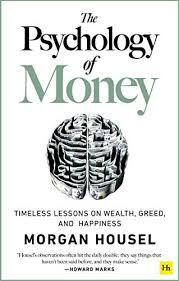
The Psychology of Money: Understanding Your Mindset for Financial Success

Money isn’t just about numbers in a bank account—it’s deeply intertwined with our emotions, behaviors, and beliefs. The psychology of money explores how our mental frameworks shape financial decisions, from saving habits to investment risks. In this comprehensive guide, we’ll dive into key concepts inspired by Morgan Housel’s bestselling book The Psychology of Money, backed by psychological research and real-world examples. Whether you’re struggling with impulse spending or aiming for long-term wealth, understanding these principles can transform your relationship with money.

What Is the Psychology of Money?

The psychology of money refers to the study of how human behavior, emotions, and cognitive biases influence financial choices. Unlike traditional finance, which focuses on formulas and markets, behavioral finance examines why people make irrational decisions despite knowing better.

  • Key Insight: Wealth is not just what you earn but what you don’t lose. As Housel notes, “Getting money requires taking risks, being optimistic, and putting yourself out there. But keeping money requires the opposite—humility, fear, and frugality.”

Research from psychologists like Daniel Kahneman (Nobel Prize winner for behavioral economics) shows that loss aversion—fearing losses more than valuing gains—drives many poor choices. For instance, people hold losing stocks too long, hoping for a rebound, while selling winners prematurely.

Why It Matters in 2025

With inflation, crypto volatility, and AI-driven markets, understanding financial psychology is crucial. A 2024 Fidelity study found that 68% of investors regret emotional decisions during market dips.

Top 10 Lessons from the Psychology of Money

Drawing from Housel’s 19 timeless lessons, here are the most impactful ones with explanations and SEO-friendly subheadings.

1. No One Is Crazy: Money Behaviors Are Shaped by Personal History

Your money mindset is unique, forged by upbringing and experiences. A child of the Great Depression saves obsessively; a tech boom survivor chases high-risk investments.

  • SEO Tip: Search for “personal finance stories” to see how diverse backgrounds lead to varied outcomes.

2. Luck and Risk Are Siblings

Success stories like Bill Gates highlight luck, while failures often ignore risk. In behavioral finance, survivorship bias makes us overestimate our control.

FactorRole in Wealth Building
LuckTiming (e.g., buying Bitcoin in 2010)
RiskPotential for ruin (e.g., over-leveraging)

3. Never Enough: The Hedonic Treadmill

The pursuit of “more” leads to endless dissatisfaction. Studies on happiness show income above $75,000/year (adjusted for inflation) yields diminishing returns.

4. Compounding: The Eighth Wonder of the World

Warren Buffett’s wealth? Mostly from compounding after age 50. Start early—$5,000 invested at 7% annually grows to over $100,000 in 40 years.

Formula: ( A = P(1 + r)^t )
Where ( A ) = future value, ( P ) = principal, ( r ) = rate, ( t ) = time.

5. Getting Wealthy vs. Staying Wealthy

Aggression builds wealth; paranoia preserves it. Avoid “tails” events like 2008 crashes by diversifying.

6. Tails Drive Everything

A few extreme events (e.g., pandemics) shape most outcomes. In investing, prepare for black swans.

7. Freedom: Money’s Greatest ROI

Time and independence trump luxury. Financial psychology emphasizes autonomy over status.

8. Man in the Car Paradox

People admire the car, not the owner. Flashy spending signals insecurity, not success.

9. Savings Rate: The Unsung Hero

Wealth = Income – Ego. High savers win regardless of salary.

10. Reasonable > Rational

Optimal strategies fail if unsustainable. Aim for “good enough” plans you can stick to.

Common Money Biases and How to Overcome Them

Behavioral finance identifies biases sabotaging finances:

  1. Anchoring Bias: Fixating on first prices (e.g., refusing to sell a stock below purchase price).
  • Fix: Use data-driven tools like robo-advisors.
  1. Confirmation Bias: Seeking info that supports beliefs.
  • Fix: Diversify news sources.
  1. Present Bias: Preferring immediate rewards.
  • Fix: Automate savings.
BiasExampleCounterstrategy
Loss AversionHolding losersSet stop-loss rules
OverconfidenceDay tradingIndex fund investing

FAQ: Psychology of Money Questions Answered

What is the main idea of The Psychology of Money book?

It teaches that soft skills like behavior and mindset matter more than technical knowledge in building wealth. Focus on controlling what you can—your reactions.

How does psychology affect money management?

Emotions like fear and greed lead to buying high/selling low. Mindfulness and journaling improve money psychology.

Can changing my money mindset make me richer?

Yes! Shift from scarcity to abundance: Track wins, not just losses. Apps like Mint help visualize progress.

What are the best books on psychology of money?

  1. The Psychology of Money by Morgan Housel
  2. Thinking, Fast and Slow by Daniel Kahneman
  3. Your Money or Your Life by Vicki Robin

Is behavioral finance the same as psychology of money?

Closely related—behavioral finance applies psychology to markets; psychology of money is broader, covering personal habits.

How to improve financial psychology in daily life?

  • Practice gratitude for current wealth.
  • Set “sleep on it” rules for big purchases.
  • Educate via podcasts like “The Psychology of Money Summary” on Spotify.

Why do rich people still worry about money?

Wealth anxiety stems from comparison and fear of loss. Therapy or financial coaching helps.

Actionable Tips to Master Your Money Psychology

  1. Build a “No Plan” Buffer: Save 6-12 months’ expenses for peace of mind.
  2. Invest Like a Pessimist: Expect downturns; buy quality assets.
  3. Review Annually: Reflect on decisions without judgment.
  4. Teach Kids Early: Discuss money openly to break cycles.
  5. Seek Community: Join forums on Reddit’s r/personalfinance for shared money mindset stories.

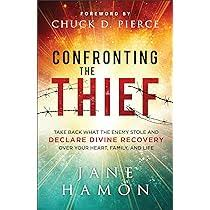
Confronting the Thief: Take Back What the Enemy Stole and Declare Divine Recovery Over Your Heart, Family, and Life – A Prophetic Blueprint for Reclaiming Your Divine Inheritance

In a world rife with unseen spiritual battles, where loss—whether financial setbacks, fractured relationships, health crises, or shattered dreams—can leave us feeling powerless, Confronting the Thief: Take Back What the Enemy Stole and Declare Divine Recovery Over Your Heart, Family, and Life emerges as a beacon of hope and empowerment. Authored by renowned prophetic leader Jane Hamon and published on August 20, 2024, by Chosen Books (an imprint of Baker Publishing Group), this 237-page hardcover is more than a book; it’s a battle manual for believers ready to shift from victimhood to victory. Drawing from deep biblical truths and prophetic insights, Hamon equips readers to confront the “thief” referenced in John 10:10—the enemy who comes to steal, kill, and destroy—and to boldly declare restoration over every area of life. If you’ve ever wondered how to recover what feels irretrievably lost, this book offers a divine strategy rooted in Scripture, complete with practical prayers and decrees to activate supernatural breakthrough.

Who Is Jane Hamon? A Voice of Prophetic Authority

Jane Hamon is no stranger to the frontlines of spiritual warfare and restoration. A dynamic speaker, author, and apostolic leader, she serves alongside her husband, Tom Hamon, as senior pastor of Vision Church @ Christian International in Santa Rosa Beach, Florida. With over 40 years in ministry, the Hamons have built a vibrant local congregation while traveling to more than 50 nations to ignite revival and equip leaders. Jane’s journey began at age 14 when she encountered Christ, followed by Bible college at 17, and a season at the Christian Broadcasting Network (CBN) where she honed her skills in communication and prophetic ministry. As a key figure in Christian International Ministries—founded by her father-in-law, Dr. Bill Hamon—she has authored six books, including bestsellers like Dreams and Visions and Prophetic Breakthrough, training thousands in apostolic and prophetic gifting.

Hamon’s writing style blends scholarly depth with accessible warmth, making complex spiritual concepts feel like a personal conversation with a trusted mentor. Her prophetic voice, often described as “piercing yet uplifting,” stems from a lifetime of witnessing God’s redemptive power in her own family and global outreaches. As she notes in her works, “God is not in the business of loss; He is the Master of recovery.” In Confronting the Thief, Hamon channels this expertise to address the universal ache of stolen promises, urging readers to rise as warriors in their God-given destiny.

The Core Message: From Robbery to Radical Recovery

At its heart, Confronting the Thief is a clarion call to action against the enemy’s insidious tactics. Hamon opens with a sobering reality: “We’ve all felt the gut-wrenching helplessness of loss when the enemy has stolen something from us: finances, health, peace, a promise or opportunity, even family and friends.” Yet, she pivots swiftly to hope, reminding us of Jesus’ promise in John 10:10: “I have come that they may have life, and that they may have it more abundantly.” The book dismantles the lie of permanent defeat, revealing how believers can legally and spiritually demand restitution through Christ’s authority.

Hamon structures her teaching around the enemy’s threefold agenda—steal, kill, destroy—while unveiling God’s counter-strategy of abundance and double-portion recovery, inspired by stories like Job’s restoration (Job 42:10) and David’s bold retrieval of what was taken (1 Samuel 30). Without spoiling the depth, the narrative unfolds progressively: identifying the thief’s entry points (such as fear, deception, and generational curses), exposing hidden strongholds, and mapping a path to freedom. Each chapter builds like a prophetic roadmap, weaving personal anecdotes from Hamon’s ministry with historical biblical examples, ensuring readers feel seen and equipped.

While a full table of contents isn’t publicly excerpted in previews, the book’s thematic flow is evident from its endorsements and descriptions: early sections likely focus on discernment and authority, mid-chapters on targeted prayers for heart, family, and life domains, and the finale on sustaining prophetic promises in everyday victory. This interactive format invites pause for reflection, journaling, and activation—transforming passive reading into active warfare.

Key Themes: Empowering Declarations for Divine Turnaround

What sets Confronting the Thief apart is its emphasis on application. Hamon doesn’t just diagnose the problem; she arms readers with tools to enforce solutions. Here are five pivotal themes that anchor the book’s transformative power:

  1. Taking Authority Over the Thief: Hamon teaches how to bind the enemy’s operations using Jesus’ name, drawing from Matthew 18:18 (“Whatever you bind on earth will be bound in heaven”). Practical decrees like “I declare every stolen gate in my life is shut and sealed by the blood of Jesus” empower immediate spiritual shifts.
  2. Full Restoration in Every Sphere: From personal healing to familial reconciliation, the book outlines steps for reclaiming lost ground. Hamon highlights Zechariah 9:12—”Prisoners of hope… I will restore twice as much”—as a covenant promise for double recovery.
  3. Supernatural Provision and Prosperity: Addressing financial theft, Hamon integrates principles from Malachi 3:10-11, offering prayers to “open the windows of heaven” and rebuke devourers. Readers learn to align with God’s economy of abundance.
  4. Possessing Prophetic Promises: For those awaiting unfulfilled words from God, Hamon provides strategies to war in the spirit, ensuring promises aren’t aborted by opposition.
  5. Double-Portion Living: Culminating in empowerment, the book equips believers to not only recover but thrive, living in “supernatural power” as overcomers (Revelation 12:11).

These themes are laced with prophetic insights—Hamon’s hallmark—making the book a vital resource for prayer warriors, pastors, and anyone navigating seasons of loss.

Real Impact: What Readers Are Saying

Early readers hail Confronting the Thief as a “needed arsenal in the hands of every Christian,” praising its jam-packed scriptural depth and actionable wisdom. On Goodreads, where it holds strong early ratings, one reviewer called it “an intentional, interactive journey that requires your focus, prayer, and participation,” emphasizing its demand for effort to unlock full revelation. Another shared, “I learned so much and how to apply scripture. Don’t let the enemy continue to steal from you!!”

At Christianbook.com, a five-star review from June 2025 raves: “Terrific book and so much insight… Jane Hamon teaches you how the enemy works, his way of deceiving us, but how to discern his ways, and overcome them, taking back what he has stolen from you.” Endorsements from prophetic peers, including a foreword by Chuck D. Pierce, underscore its timeliness: “Jane Hamon brings piercing insight to confront the thief and declare divine recovery.” With an audiobook narrated by the author available since September 2024, it’s accessible for on-the-go warriors.

Why This Book Matters Now – A Call to Arise

In an era of escalating global uncertainties—from economic pressures to relational breakdowns—Confronting the Thief arrives as divine timing. Hamon’s message resonates deeply in charismatic and Pentecostal circles, but its universal appeal lies in its reminder: You were never meant for defeat. As she concludes, “It’s time to contend against the enemy’s death and destruction, arise in strength and wisdom, and recover all he’s stolen from you.”

Whether you’re battling personal grief or leading others through crisis, this book invites you to declare divine recovery today. Available at major retailers like Amazon, Barnes & Noble, and Christianbook.com, it’s priced affordably (around $18-20) and ripe for group studies or personal devotionals. Dive in, decree boldly, and watch God turn your mourning into dancing—because the thief’s reign ends when God’s people rise.

For more on Jane Hamon and her ministry, visit TomAndJaneHamon.com. Your season of restoration starts here.

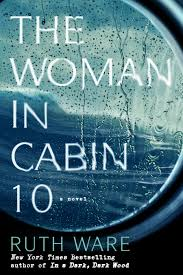
The Woman in Cabin 10 Book Review: A Gripping Psychological Thriller by Ruth Ware

If you’re searching for a “The Woman in Cabin 10 book review,” you’ve likely heard the buzz around Ruth Ware’s 2016 novel, often hailed as a modern take on classic mystery tropes. Published on June 30, 2016, this psychological thriller has captivated readers with its claustrophobic setting aboard a luxury cruise ship. In this detailed The Woman in Cabin 10 book review, we’ll dive into the plot, characters, themes, strengths, and weaknesses, drawing from various reader and critic perspectives to give you a comprehensive look. Whether you’re considering picking it up for your next read or just curious about the hype, this review aims to cover all angles.

Overview and Publication Details

Ruth Ware’s The Woman in Cabin 10 is a 341-page hardcover novel that follows travel journalist Lo Blacklock on what should be a dream assignment: a week-long voyage on the exclusive Aurora cruise ship through the North Sea. The story blends elements of suspense, mystery, and psychological tension, reminiscent of Agatha Christie’s closed-room puzzles but with a contemporary edge. Ware, known for her atmospheric thrillers like In a Dark, Dark Wood, delivers a tale that’s both eerie and fast-paced, making it a popular choice for fans of the genre.

The book has garnered significant attention, with over 50,000 community reviews on platforms like Goodreads, reflecting a mix of enthusiasm and critique. Its publication by Scout Press/Simon & Schuster came with an ISBN of 978-1-5011-3293-3, and it quickly became a bestseller, praised for its spine-tingling turns and claustrophobic setting.

Spoiler-Free Plot Summary

In this The Woman in Cabin 10 book review, let’s start with the basics of the story without giving away key twists. Protagonist Lo Blacklock is reeling from a recent home invasion that has left her anxious and sleep-deprived. Assigned to cover the maiden voyage of the ultra-luxurious Aurora—a boutique cruise ship with only ten cabins—she boards with high hopes. The guests are elite, the amenities plush, and the scenery stunning as they sail from London to Norway.

However, things take a dark turn when Lo hears a splash in the night—the sound of a body hitting the water from the adjacent Cabin 10. She rushes to investigate, but there’s no evidence of foul play, and all passengers are accounted for. As Lo digs deeper, aided by her ex-boyfriend who’s also on board, she faces skepticism from the crew and guests, questioning her own sanity amid her trauma and lack of sleep. The narrative unfolds with rising tension, interspersed with news articles and emails that add layers to the mystery.

Character Analysis

At the heart of The Woman in Cabin 10 is Lo Blacklock, a flawed and relatable narrator whose unreliability drives much of the suspense. Suffering from anxiety, depression, and the aftermath of a burglary, Lo’s perspective is tinged with paranoia, making readers question what’s real. Some reviewers praise her as a strong, determined heroine who refuses to back down, while others find her tedious and entitled, lacking self-awareness in her interactions with characters like her boyfriend Judah or security head Nilsson.

Supporting characters include the enigmatic Richard Bullmer, the ship’s owner, and his ailing wife Anne, along with a cast of wealthy guests who add to the intrigue. The mysterious woman in Cabin 10 herself remains a shadowy figure, fueling Lo’s obsession. Ware excels at creating a ensemble that feels both glamorous and suspicious, echoing Christie’s style.

Themes and Writing Style

This The Woman in Cabin 10 book review wouldn’t be complete without discussing its core themes. Gaslighting and the dismissal of women’s experiences are prominent, as Lo’s claims are often brushed off due to her mental health issues and alcohol use. The novel explores isolation, both physical (on a ship at sea) and emotional, amplifying the claustrophobia. Ware’s prose is taut and atmospheric, building suspense through Lo’s sleep-deprived haze and the stormy seas.

Critics note the modern twist on the “paranoid woman” trope, with Ware delivering high tension and clever plotting. However, some feel the ending piles on too much drama, detracting from the subtle buildup.

Strengths and Weaknesses

Strengths:

  • Pacing and Suspense: Many readers highlight the fast-paced narrative that keeps you turning pages, with twists that echo classic mysteries.
  • Setting: The luxury cruise ship provides a perfect backdrop for isolation and dread, making the story feel immersive and creepy.
  • Themes of Mental Health: Ware handles anxiety and trauma realistically, adding depth to Lo’s character.

Weaknesses:

  • Protagonist Issues: Lo’s unlikeable traits, such as her arrogance and poor decisions, frustrate some readers, leading to disengagement.
  • Plot Implausibilities: The resolution feels far-fetched to critics, with over-the-top elements that strain believability.
  • Slow Start: A few note the beginning drags before the mystery kicks in.

Overall, reader ratings vary: Enthusiastic reviews call it entertaining and suspenseful, while others rate it lower, around 4/10, citing disappointment compared to Ware’s other works.

Comparisons and Adaptations

Fans of Agatha Christie will appreciate the similarities to And Then There Were None, but with a feminist lens on disbelief toward women. It also draws parallels to The Woman in the Window for its unreliable narrator theme.

Notably, the book was adapted into a film in 2025, but reviews have been mixed, describing it as turgid and obvious—stick to the novel for the full experience.

Final Verdict in This The Woman in Cabin 10 Book Review

The Woman in Cabin 10 is a solid thriller for those who enjoy psychological suspense in confined spaces. While not without flaws—like a polarizing protagonist and a somewhat unsatisfying end—its gripping plot and atmospheric tension make it worth the read. If you’re into fast-paced mysteries with twists, give it a shot; just don’t expect perfection. Rating: 4 out of 5 stars.

For more The Woman in Cabin 10 book reviews, check out Goodreads or Kirkus for diverse opinions. Have you read it? Share your thoughts!

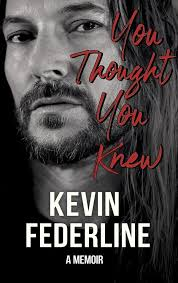
Kevin Federline’s Memoir “You Thought You Knew”: A Deep Dive into Revelations, Reactions, and the Pop Culture Saga

As the world of celebrity memoirs continues to captivate audiences, Kevin Federline, the former backup dancer and ex-husband of pop icon Britney Spears, is stepping into the spotlight with his own tell-all book. Titled You Thought You Knew, the 228-page memoir is scheduled for publication on October 21, 2025, by Listenin, and co-authored with Alex Holstein. Federline, now 47, promises an “extremely intimate and transparent” account of his life, covering his early dreams, heartbreaks, public ridicule, and his role as a father amid ongoing family turbulence.

This release comes two years after Spears’ own bestselling memoir, The Woman in Me (2023), where she detailed her perspective on their marriage, divorce, and the intense custody battle that followed. With excerpts from Federline’s book already making headlines, including allegations of infidelity and concerns over Spears’ well-being, the memoir has sparked controversy, drawing responses from Spears herself and igniting discussions on social media platforms like X (formerly Twitter).

Who Is Kevin Federline? A Background on the Man Behind the Memoir

Born Kevin Earl Federline on March 21, 1978, in Fresno, California, Federline grew up in a working-class family. His parents divorced when he was eight, leading to a childhood split between Fresno and Carson City, Nevada. Dropping out of high school in the ninth grade to pursue dance, he later earned his GED while working odd jobs like delivering pizzas. By 1996, Federline had moved to Los Angeles, joining the nonprofit Dance Empowerment and sharing a cramped apartment with roommates to chase his passion.

His career took off as a backup dancer for major artists, including Michael Jackson, Justin Timberlake, Pink, and Destiny’s Child. He appeared in music videos, TV shows like The Drew Carey Show and Will & Grace, and even the film You Got Served (2004). Venturing into music, Federline released his debut rap album Playing with Fire in 2006, which peaked at No. 151 on the Billboard 200 but received harsh criticism. He also dabbled in wrestling with WWE appearances and modeled for clothing lines.

Post-divorce from Spears, Federline shifted focus to family and DJing, performing at venues across the U.S. from 2010 onward. He married volleyball player Victoria Prince in 2013, with whom he has two daughters, adding to his six children total—two from a previous relationship with actress Shar Jackson and two sons with Spears: Sean Preston (born 2005) and Jayden James (born 2006). The family relocated to Hawaii in 2023 for Prince’s job at the University of Hawaii at Manoa.

Federline has largely stayed out of the public eye in recent years, giving his first major interview in over a decade on Australia’s 60 Minutes in 2022, where he emphasized providing a normal life for his sons. Now, with You Thought You Knew, he aims to set the record straight after two decades of silence.

The Whirlwind Romance and Bitter Divorce with Britney Spears

Federline and Spears’ relationship began in 2004, shortly after he ended things with Shar Jackson, who was pregnant with their second child at the time. The couple met through a mutual friend, dancer Theresa, and their romance quickly escalated amid media frenzy, with Federline often labeled a “gold digger.” They got engaged in July 2004 and married in a surprise ceremony in September, later starring in the reality show Britney & Kevin: Chaotic (2005), which chronicled their courtship.

Their marriage lasted just three years. Spears filed for divorce in November 2006, citing irreconcilable differences. What followed was a highly publicized custody battle over their sons. Federline was granted sole physical custody in 2007 after incidents at Spears’ home, including a police standoff, and retained it until recent years. Spears paid $20,000 monthly in child support until it ended in 2024 when their youngest son turned 18.

In The Woman in Me, Spears described the custody loss as devastating, claiming it “knocked the breath out of me” and accusing her family of failing to support her.

Key Revelations from “You Thought You Knew”

Excerpts from Federline’s memoir have already stirred controversy. One alleges that during Spears’ European tour in 2004, he caught her cheating with female dancer Theresa in Amsterdam. Federline describes walking in on them making out, packing his bags, and confronting Spears, who apologized and begged him to stay. He views this as a “turning point” that proved his commitment, ultimately strengthening their bond amid the chaos of fame.

More alarmingly, Federline claims their sons reported disturbing behavior from Spears, including waking up to find her standing in their doorway at night, holding a knife and watching them sleep. He expresses deep concern for her current “situation,” describing it as “racing toward something irreversible” and fearing their now-adult sons (Sean Preston, 20, and Jayden James, 19) will be left to deal with the fallout. Federline also criticizes the “Free Britney” movement, which ended her 13-year conservatorship in 2021, claiming it was more harmful than helpful and that his silence allowed misconceptions to flourish.

He positions the book as a necessary step to “sound the alarm,” stating, “It’s become impossible to pretend everything’s OK.” Federline has addressed speculation about his motives, denying it’s tied to the end of child support and emphasizing his intent to protect his family.

Britney Spears’ Response and the Timing of Allegations

Spears, 43, has not remained silent. Through her representative, she accused Federline of “profiting off her” once again, noting the book’s timing coincides with the end of child support payments. The statement reads: “All she cares about are her kids, Sean Preston and Jayden James and their well-being during this sensationalism. She detailed her journey in her memoir The Woman in Me.”

Hours after a New York Times excerpt was published on October 14, 2025, Spears posted a cryptic message on Instagram about family: “Honor thy mother and father, but always protect your heart. Only honor them if they have sacredly honored you !!! If not, you find a new family.” The post, accompanied by an ocean photo, is widely interpreted as a response to Federline’s claims and her ongoing estrangement from her family post-conservatorship.

Public Reaction on Social Media

The memoir has generated buzz on X, with users expressing skepticism and outrage. One post questioned, “we let kevin federline have a memoir?” Another called for rapper Nicki Minaj to “Drag Kevin Federline for us for writing a memoir full of lies, trashing Britney Spears because the child support stopped.” Media outlets amplified the drama, with one claiming Federline described Spears’ behavior as “ten times worse” than detailed in the book. Others highlighted the knife allegations, fueling debates about privacy and mental health in celebrity families.

Conclusion: A Tale of Two Perspectives

You Thought You Knew arrives at a pivotal moment, offering Federline’s side of a story that has long been dominated by Spears’ narrative and public sympathy. While it sheds light on his experiences as a father and partner under scrutiny, it also reignites painful debates about mental health, custody, and fame’s toll. As the release date approaches, the book—available for pre-order on platforms like Amazon and Indigo—promises to be a polarizing addition to the celebrity memoir genre. Whether it fosters understanding or further division remains to be seen, but it underscores the complex, enduring legacy of one of pop culture’s most infamous unions.

Atomic Habits Book Review

Namaskar and welcome to a guide inspired by Atomic Habits by James Clear, a must-read for anyone seeking a LifeReset or GlowUpJourney. We all want to build better habits, and in this book, James Clear talks about systematic steps that we can take in order to build better habits. Whether you’re pursuing SelfGrowth2025, starting over at 30, or embracing a MindsetShift, the practical tools in Atomic Habits—like the two-minute rule and habit stacking—offer actionable ways to transform your life in just 5 minutes a day. Perfect for WomenWhoRebuild or anyone aiming for a ChangeYourLife transformation, these strategies help you create a ToxicFree, HealingEra lifestyle. Let’s dive into how this book can guide you to build life-changing habits for a LateBloomerGlowUp.

Why Atomic Habits Stands Out

The author builds upon the book The Power of Habit by Charles Duhigg and gives us practical tools such as the two-minute rule and habit stacking to give us the necessary things that we need to build better habits. What makes this book special is the practical element of it. A lot of these books that talk about habits just talk about theory, but this book gives us actionable steps that we can use to actually improve our habits in practice. For example, the two-minute rule encourages starting habits with tasks that take less than two minutes, making it easy to begin and sustain progress in just a few minutes daily.

Who Should Read This Book

This book is incredibly valuable for anyone wanting to understand how to implement better habits into their life and also for people who are trying to get rid of negative ones. If you’re new to habit formation, this is a great book for you to try and understand the key principles that go behind creating better habits. By applying these principles, you can create small, consistent changes that align with your StartOverAt30 goals and lead to lasting transformation.

How to Apply Atomic Habits in 5 Minutes a Day

To make habit-building part of your daily routine, start with the two-minute rule: choose a habit, like reading or stretching, and begin with a version that takes just two minutes. For example, read one page of a book or do a quick stretch. Pair this with habit stacking—linking a new habit to an existing one, like drinking water after brushing your teeth. These quick actions, taking 5 minutes or less, compound over time, supporting your ChangeYourLife journey and fostering a HealingEra of growth.

Start Your Habit Journey Today

Thanks to Atomic Habits, you have the tools to build better habits and break free from negative ones. By dedicating just 5 minutes a day to these practical strategies, you can achieve a LifeReset and unlock your potential for SelfGrowth2025. Namaskar!

FAQ

What is Atomic Habits about?

Atomic Habits by James Clear outlines systematic steps, like the two-minute rule and habit stacking, to build better habits and eliminate negative ones, perfect for a LifeReset.

How can I build habits in 5 minutes a day?

Use the two-minute rule from Atomic Habits to start small, like reading one page or doing a quick stretch, and pair it with habit stacking for a GlowUpJourney.

What is the two-minute rule?

The two-minute rule involves starting a new habit with a task that takes less than two minutes, making it easy to begin and sustain, aligning with your MindsetShift.

Who should read Atomic Habits?

Anyone new to habit formation or looking to replace negative habits with positive ones will benefit, especially those pursuing SelfGrowth2025 or a ChangeYourLife transformation.

How does Atomic Habits differ from other habit books?

Unlike theory-heavy books, Atomic Habits provides actionable steps like the two-minute rule, making it practical for a StartOverAt30 journey.