AJ Raval and Aljur Abrenica Relationship: A Timeline of Love, Rumors, and Blended Family Bliss

In the whirlwind world of Philippine showbiz, few stories have captivated fans quite like the AJ Raval and Aljur Abrenica relationship. What began as on-screen chemistry and off-screen whispers has evolved into a heartfelt tale of partnership, parenthood, and resilience. On November 12, 2025, AJ Raval, the 25-year-old daughter of veteran actor Jeric Raval, dropped a bombshell during an emotional interview on Fast Talk with Boy Abunda, confirming she shares three children with her longtime partner, Aljur Abrenica. This revelation not only solidified their bond but also put to rest years of speculation surrounding the AJ Raval and Aljur Abrenica relationship. From their controversial beginnings amid Aljur’s high-profile separation to their current blended family life, here’s a comprehensive look at how this power couple navigated the spotlight.

The Spark: On-Screen Magic Turns into Real-Life Rumors (2021)

The AJ Raval and Aljur Abrenica relationship first flickered into public consciousness in 2021, shortly after the pair collaborated on the film Nerisa. Aljur, then 30 and fresh off a tumultuous split from his wife Kylie Padilla, shared undeniable chemistry with the rising star AJ. Fans couldn’t help but notice the lingering glances and cozy behind-the-scenes photos that surfaced online.

At the time, Aljur was still reeling from his separation. He and Kylie, a fellow actress from a prominent showbiz family, had tied the knot in December 2018 in a fairy-tale wedding that blended Kapamilya and Kapuso royalty. Their union produced two sons, Alas Joaquin (born 2019) and Axl (born 2020). However, cracks appeared early, culminating in their announcement of separation in April 2021 after just two and a half years of marriage. Aljur later admitted in 2023 that his infidelity played a significant role in the breakup, a confession that fueled tabloid frenzy.

Rumors linking Aljur to AJ intensified that October, with netizens piecing together timelines that suggested their connection predated his official split from Kylie. Social media erupted with debates, hashtags like #AljurAJ trended, and both parties remained tight-lipped. AJ, who had entered the industry as a bold newcomer known for roles in adult-oriented films before pivoting to mainstream projects, faced the brunt of “third party” accusations. In her recent interview, however, AJ firmly denied any involvement, stating she was not the cause of Aljur’s marital issues. This early chapter set the tone for a AJ Raval and Aljur Abrenica relationship marked by scrutiny but underpinned by quiet support.

Going Public: Valentine’s Day 2023 and Beyond

After nearly two years of dodging questions, Aljur and AJ finally made their relationship Instagram-official on February 14, 2023—Valentine’s Day, no less. A sweet photo of the couple cuddling went viral, with Aljur captioning it, “My forever Valentine.” The post was a bold statement, especially given the lingering drama from Aljur’s past. AJ’s father, Jeric Raval, quickly voiced his approval, telling media outlets later that year, “I want Aljur to marry AJ.” Jeric, a bold personality himself, even joked about the couple’s future nuptials during family gatherings.

Post-announcement, the pair kept a low profile, focusing on their careers and personal growth. Aljur returned to acting with roles in GMA Network projects, while AJ balanced motherhood with selective endorsements. Behind the scenes, their bond deepened, as evidenced by subtle social media hints—like matching family outings and cryptic posts about “our little miracles.” By 2024, sources close to the couple described their dynamic as “solid and supportive,” with Aljur stepping up as a hands-on partner despite his busy schedule.

The Big Reveal: AJ’s Five Kids and Their Blended Family (November 2025)

The AJ Raval and Aljur Abrenica relationship reached a new milestone on November 11, 2025, when AJ sat down with Boy Abunda and bared her soul. “Actually, Tito Boy, lima na po,” she revealed, confirming she is a mother of five. Of these, three are with Aljur: daughter Aikena, son Aljur Jr., and their youngest, Abraham. AJ’s voice cracked as she spoke of her eldest, seven-year-old Ariana, and her second child, Aaron, whom she tenderly called “an angel” after his passing—a heartbreaking detail she shared for the first time publicly.

AJ’s journey to motherhood began young, with Ariana born around 2018 during her early teens, followed by Aaron. The fathers of her first two children remain private, but AJ emphasized the seamless integration of her family with Aljur’s. She highlighted how Aljur’s eldest son, Alas, acts as a “very responsible” big brother to his half-siblings, fostering a harmonious blended family that includes Kylie’s sons as well. “They’re all close and that’s what’s most important,” AJ echoed, drawing from Kylie’s supportive stance.

Reflecting on the challenges, AJ admitted, “At first, mahirap po. Pero siyempre, nandiyan po ‘yung pamilya ko. Nakasuporta po sila. Kinaya naman.” Her decision to go public stemmed from a desire to shield her children from rumors: “Pinag-isipan ko po ito… to end speculations and allow my children freedom.” Watching from the sidelines, Jeric wiped away tears, a poignant reminder of the family’s unwavering bond.

Kylie’s Graceful Response: Peace in the Co-Parenting Circle

No AJ Raval and Aljur Abrenica relationship story would be complete without addressing Kylie Padilla’s role. On November 12, 2025, Kylie took to Facebook to share her heartfelt reaction: “Matagal ko na pong alam pero syempre inuna po namin ang kapakanan ng mga bata.” The 32-year-old actress, now dating a non-showbiz partner, expressed relief and pride, adding, “Happy that now ’di na kailangan magtago. Proud of you, peace all around. Sana matapos na drama.”

Kylie’s maturity shines through in her prioritization of co-parenting. She and Aljur have maintained an amicable dynamic for their sons, with joint holidays and open communication. “AJ had nothing to do with our breakup,” Kylie clarified earlier, dispelling third-party myths once and for all. This blended family setup—where Alas and Axl play with Aikena, Aljur Jr., and Abraham—exemplifies modern showbiz parenting at its finest.

What Lies Ahead for AJ and Aljur?

As of November 13, 2025, the AJ Raval and Aljur Abrenica relationship is stronger than ever. AJ has hinted at a showbiz comeback, teasing, “I plan to return to acting,” while balancing her roles as a mother and partner. Aljur, ever the doting dad, continues to advocate for family privacy amid public interest.

Fans speculate about wedding bells, especially after Jeric’s nudge, but the couple seems content in their authentic love story. AJ’s closing words to her kids sum it up beautifully: “Maging mabuti silang bata, wag silang gagaya sa’kin,” she laughed, hoping they “all get to live freely.”

The AJ Raval and Aljur Abrenica relationship isn’t just headlines—it’s a testament to redemption, forgiveness, and the messy beauty of building a family under the klieg lights. In a industry often defined by scandal, their journey reminds us that love, when nurtured with honesty, can rewrite the narrative.

For the latest updates on AJ Raval and Aljur Abrenica’s family adventures, follow their social media and stay tuned to Philippine entertainment news.


Xochitl Gomez Relationship Status 2025: Inside the Marvel Star’s Private Love Life

Xochitl Gomez, the breakout star of Marvel’s Doctor Strange in the Multiverse of Madness, has captivated audiences worldwide with her vibrant energy, incredible talent, and undeniable charm. At just 19 years old in 2025, the young actress has already achieved what many dream of: a thriving Hollywood career, a Mirrorball Trophy from Dancing with the Stars, and a growing fanbase eager for every detail of her life. But when it comes to one of the most searched aspects of her personal world—her relationships—Gomez remains an enigma. Searches for “Xochitl Gomez relationship” spike regularly, fueled by her magnetic on-screen presence and off-screen poise. Is she dating anyone? What’s her romantic history? In this detailed exploration, we dive into the facts, rumors, and what we know (and don’t know) about Xochitl Gomez’s love life as of November 2025.

Who Is Xochitl Gomez? A Quick Bio

Before we unpack the romance rumors, let’s set the stage. Born on April 23, 2006, in Los Angeles, California, Xochitl Gomez (pronounced “So-cheetl Go-mez”) hails from a Mexican-American family with deep roots in the arts. Her name, meaning “flower” in Nahuatl, reflects her heritage and the blossoming career that’s followed her since childhood. Gomez started acting at age five, appearing in local theater productions and student films. Her big break came in 2019 with the role of Dawn Schafer in Netflix’s The Baby-Sitters Club, showcasing her natural ability to blend humor, heart, and depth.

Hollywood truly took notice in 2022 when she portrayed America Chavez, the dimension-hopping teen superhero, in Doctor Strange in the Multiverse of Madness alongside Benedict Cumberbatch and Elizabeth Olsen. Critics praised her as a “scene-stealer,” and the role cemented her as Marvel’s next big thing. Off the dance floor—where she won Season 32 of Dancing with the Stars in 2023 with pro partner Val Chmerkovskiy—Gomez has been busy. In 2025, she’s joined the cast of CBS’s Boston Blue, a Blue Bloods spinoff, playing Penny, a character with intriguing ties to Donnie Wahlberg’s onscreen son, Sean Reagan, hinting at a potential romantic arc on the show. She’s also teased a Hot Topic collaboration and made headlines for her relay partnership with Robert Irwin on DWTS Season 33’s Birthday Bash Week.

With such a packed schedule, it’s no wonder her personal life stays under wraps. Gomez prioritizes privacy, often sharing glimpses of her family, fitness routines, and activism (she’s a vocal supporter of LGBTQ+ rights and Latinx representation) on Instagram (@_xochitl.gomez), where she boasts over 2.5 million followers. But fans can’t help but wonder: Amid the stardom, is there room for love?

Xochitl Gomez’s Dating History: Keeping It Under Lock and Key

If you’re scouring the internet for a timeline of Xochitl Gomez’s exes, prepare for disappointment—there isn’t one. As of November 2025, reliable sources confirm that Gomez has no publicly documented romantic relationships. The 19-year-old has never confirmed dating anyone, and tabloids have yet to unearth concrete evidence of past flings. This isn’t unusual for a young star navigating fame; Gomez, who turned 18 in 2024, has emphasized in interviews that her focus has always been on growth, both personally and professionally.

In a rare candid moment during DWTS press in 2023, Gomez shared how her family keeps her grounded. “My parents are my biggest support system,” she told People magazine, crediting them for guiding her through the industry’s pressures. Raised in a close-knit household, she often posts about sibling adventures and cultural traditions, suggesting that family fills much of her emotional space. No high-profile breakups, no scandalous headlines—just a clean slate that’s as refreshing as it is mysterious.

That said, Gomez’s youth means her “dating history” is more about potential than precedent. She entered the spotlight as a minor, so any early crushes likely stayed off the radar. Fans speculate that her first public romance, if it happens, could be with someone from her inner circle—perhaps a co-star or fellow creative. For now, though, the chapter remains unwritten.

Rumored Romances: From Co-Star Chemistry to Fan Ships

While confirmed relationships are nonexistent, the rumor mill never sleeps. Social media and fan forums buzz with “what ifs,” often sparked by red-carpet photos, Instagram stories, or on-set vibes. Here’s a breakdown of the most persistent Xochitl Gomez dating rumors, all unverified but worth a look for the sheer entertainment value:

1. Brady Noon: The Good Burger 2 Co-Star Spark?

One of the freshest whispers in 2025 links Gomez to actor Brady Noon, her co-star in the Nickelodeon reboot Good Burger 2. TikTok videos dissecting their playful banter and behind-the-scenes clips have gone viral, with users captioning them “Are they dating?!” Noon, 20, known for The Map of Tiny Perfect Things and The Last Summer, shares Gomez’s easygoing humor and Gen-Z vibe. A February 2025 event photo of them laughing together fueled the fire, but insiders dismiss it as platonic friendship. No joint posts or sightings since—yet fans hold out hope.

2. Xolo Maridueña: Blue Beetle Buzz

Back in 2023, Gomez and Cobra Kai star Xolo Maridueña, 24, were spotted at a Los Angeles party, dancing and posing for pics that screamed “couple goals.” As fellow Latinx Marvel/DC alums (he’s Blue Beetle), their chemistry felt electric. TikTok edits set to romantic tracks amassed millions of views, but it fizzled out as quickly as it started. By 2024, they were back to friendly shoutouts, with no romance confirmed.

3. Mckenna Grace: The Sapphic Fan Favorite

Perhaps the most enduring “ship” is with Ghostbusters: Frozen Empire actress Mckenna Grace, 19. From 2023 onward, fans have pored over their Instagram interactions—heart emojis, story reposts, and event selfies that look straight out of a rom-com. A September 2023 TikTok claiming they were “dating” exploded, but it was pure speculation. Gomez has been an ally to the queer community, and Grace has spoken openly about her bisexuality, adding layers to the fandom’s enthusiasm. In reality? Besties, not girlfriends, though we’d stan either way.

4. Val Chmerkovskiy: The DWTS “Showmance” That Wasn’t

Gomez’s 2023 DWTS partnership with Val Chmerkovskiy, 37, was pure magic—leading to a season win and endless “are they more than partners?” chatter. Their age gap and father-daughter-like dynamic (Val has kids; Xochitl calls him “Papi Val”) quashed any real rumors, but the bond is real. Val credited her with reigniting his passion for the show, saying she “helped me embrace the fun again.” Strictly professional—and adorably so.

Other fleeting mentions include a 2024 Reddit thread questioning her friendship with Val due to his past relationships, and random X posts shipping her with everyone from Oscar Isaac to random influencers. But remember: Rumors are just that—unsubstantiated chatter in a digital age where every smile is screenshot.

Current Relationship Status: Single and Thriving in 2025

As of November 12, 2025, Xochitl Gomez is single. No boyfriend announcements, no paparazzi candids, no subtle IG hints. Recent headlines focus solely on her career glow-up: Her Boston Blue role as Penny, described as a “possible love interest” for Sean Reagan, has fans joking it’s her only romance for now. She’s been spotted at DWTS events with platonic pals like Robert Irwin, but nothing romantic.

Gomez’s Instagram tells the story: Fitness challenges, family trips to Mexico, and Marvel teases dominate her feed. In a July 2025 TikTok, she playfully outlined “three strict rules” for a future boyfriend—must love dogs, support her career, and “make me laugh till I cry”—hinting no one’s met the bar yet. It’s a cheeky nod to her standards, underscoring that she’s content solo.

Her Views on Love: Maturity Beyond Her Years

Though Gomez hasn’t spilled much on romance, snippets reveal a thoughtful approach. In a 2023 Hello! Magazine interview, she emphasized self-love: “I’m still figuring myself out—who has time for dating when you’re learning to punch portals?” (a cheeky Multiverse nod). She’s advocated for healthy relationships in youth, drawing from her Baby-Sitters Club days where themes of friendship and growth resonated.

Gomez also champions representation in love stories, telling J-14 in 2023 that diverse narratives matter: “I want to see Latinx leads in rom-coms who aren’t stereotypes.” Her future partner? Likely someone who matches her drive and humor, per fan theories.

Career Over Romance: Why Xochitl’s Prioritizing the Grind

At 19, Gomez is in full “boss mode.” 2025 has been a whirlwind: Boston Blue filming, Hot Topic collabs, and DWTS cameos. She’s hinted at more Marvel (America Chavez return?), voice work, and producing projects on mental health. “Acting is my love language right now,” she posted in October 2025.

This focus isn’t avoidance—it’s strategy. Young stars like Gomez know the pitfalls of early romance scrutiny (think Zendaya’s measured approach). By keeping her heart off the headlines, she controls her narrative, letting talent shine.

Final Thoughts: The Flower That’s Just Blooming

Xochitl Gomez’s relationship status in 2025? Blissfully single, with a garden of rumors but no roots planted yet. As she navigates fame with grace (pun intended), fans respect her privacy while shipping from afar. Whether it’s a co-star spark or a quiet meet-cute, one thing’s clear: When Gomez falls in love, it’ll be on her terms—fierce, fun, and fabulous.

For now, catch her slaying on Boston Blue (premiering soon) or rewatching her DWTS freestyle. Who knows? The next “Xochitl Gomez relationship” update might drop in 2026. Until then, let’s celebrate the star who’s dating her dreams.

What do you think—team Brady, Xolo, or solo Xochitl? Drop your thoughts below!

(Article updated November 12, 2025. Sources include WhosDatedWho, OtakuKart, and official social media.)

Which Stage of a Relationship Features a Public Display and Declaration of Exclusivity?

In the intricate dance of romance, relationships evolve through distinct phases, each marked by deepening emotional connections, shared experiences, and pivotal commitments. But when does a couple cross the threshold from private affection to a bold, public proclamation of their bond? If you’ve ever wondered, which stage of a relationship features a public display and declaration of exclusivity, the answer lies in the Bonding stage—the culminating phase of relational development where exclusivity is not just felt but announced to the world. This moment often evokes images of engagement rings, wedding vows, or even a simple yet profound social media post declaring, “We’re official.” Understanding this stage can illuminate your own journey, helping you navigate modern dating with clarity and confidence.

Drawing from renowned communication scholar Mark L. Knapp’s Relational Development Model, this article dives deep into the stages of a relationship, with a spotlight on the Bonding stage. We’ll explore its characteristics, signs you’re entering it, and how it differs from earlier phases. Whether you’re in the honeymoon glow or pondering next steps, this guide is your roadmap to relational mastery—optimized for those searching relationship stages public commitment or declaration of exclusivity in dating.

Understanding Knapp’s Relational Development Model: The Coming Together Stages

Knapp’s model, introduced in the 1970s and refined over decades, outlines ten stages of relational progression divided into “coming together” and “coming apart” phases. The coming together stages—Initiation, Experimentation, Intensifying, Integrating, and Bonding—represent a systematic build-up of intimacy, driven by communication, shared values, and mutual vulnerability. Not every relationship follows this linearly; some skip steps, regress, or stall, influenced by factors like past traumas, cultural norms, or external stressors.

Here’s a quick breakdown of the coming together stages to contextualize the Bonding phase:

StageKey CharacteristicsDuration & Focus
InitiationFirst impressions form in seconds; small talk and physical cues dominate. Best selves are on display to reduce uncertainty.Brief (minutes to hours); superficial attraction.
ExperimentationCasual conversations reveal common ground; topics like hobbies or hometowns emerge. Low-risk self-disclosure tests compatibility.Days to weeks; exploratory and fun.
IntensifyingEmotional depth increases with “I love you”s, pet names, and physical touch. “Secret tests” like jealousy probes or separation trials gauge commitment.Weeks to months; affectionate and uncertain.
IntegratingIdentities merge—shared social circles, belongings, and future talks. Social media tags and “couple trophies” (e.g., matching jewelry) symbolize unity.Months; exclusive but private commitment.
BondingPublic vows or announcements formalize exclusivity; marriage or ceremonies seal the deal.Indefinite; official and celebrated.

These stages aren’t rigid checklists but fluid milestones. Research shows that successful progression relies on open dialogue and reciprocity, with about 50% of relationships dissolving before Integration.

The Bonding Stage: Where Exclusivity Goes Public

At the heart of your query—which stage of a relationship features a public display and declaration of exclusivity—is the Bonding stage. This is the crescendo of Knapp’s coming together phase, where private whispers become public cheers. Here, couples move beyond implicit understanding to explicit, socially recognized commitment, often through rituals that broadcast their union.

What Defines the Bonding Stage?

  • Public Display: This isn’t subtle hand-holding at a coffee shop; it’s a deliberate showcase. Think wedding ceremonies, engagement parties, or even a heartfelt Instagram post captioned “My person, forever.” These acts integrate the relationship into the couple’s social fabric, inviting community validation.
  • Declaration of Exclusivity: A verbal or symbolic vow affirms monogamy and long-term intent. Phrases like “We’re exclusive now—no one else” evolve into legal or cultural pledges, such as marriage licenses or commitment ceremonies for non-traditional couples. Exclusivity shifts from a personal boundary to a shared promise, reducing ambiguity and fostering security.
  • Ritualistic Elements: Unique couple rituals solidify the bond—renewing vows annually or hosting a “commitment picnic” with friends. In digital eras, this includes updating relationship statuses or joint TikToks.

Psychologists note that Bonding isn’t just romantic; it’s evolutionary. Public declarations leverage social accountability to strengthen ties, with studies linking them to higher satisfaction rates (up to 20% more stability post-announcement).

Signs You’re Entering the Bonding Stage

Wondering if your relationship is ripening for this leap? Look for these indicators:

  1. Future-Focused Talks: Casual “what ifs” turn into concrete plans like cohabitation or family dreams.
  2. Social Integration: You’re “the couple” at events; friends reference your duo status.
  3. Symbolic Gestures: Rings, tattoos, or personalized gifts emerge as exclusivity markers.
  4. Verbal Affirmations: “You’re my one and only” becomes a refrain, often followed by public shares.
  5. Emotional Readiness: Both partners feel secure enough to weather scrutiny.

If these resonate, it might be time for that declaration. Remember, Bonding doesn’t always mean marriage—it’s any formalized exclusivity that fits your values.

Bonding vs. Earlier Stages: Key Differences

To avoid confusion, contrast Bonding with predecessors:

  • Vs. Integrating: Integration is “us vs. the world” privately; Bonding shouts “us to the world.” One merges lives behind closed doors; the other opens them wide.
  • Vs. Intensifying: Early affection is flirtatious and testing; Bonding is resolute and ritualistic.
  • Modern Twist: In casual dating cultures, “exclusive dating” mimics Bonding’s exclusivity but lacks public fanfare—think DTR (Define The Relationship) chats without announcements. True Bonding elevates it to societal recognition.

Challenges? Public pressure can amplify stakes, leading to “commitment phobia” in 30% of millennials, per recent surveys. Therapy or premarital counseling can ease the transition.

Why the Bonding Stage Matters in Today’s Relationships

In an era of swipes and ghosting, the Bonding stage reaffirms love’s enduring power. It combats “situationships”—those limbo zones of exclusivity without labels—by demanding accountability. Couples who reach Bonding report 40% higher long-term success, thanks to the psychological boost of communal support.

For SEO-savvy daters, embracing this stage means prioritizing communication over perfection. Tools like couples’ apps (e.g., Lasting or Paired) can guide you toward that public “yes.”

FAQ: Common Questions About Relationship Stages and Exclusivity

What is the Bonding stage in a relationship?

The Bonding stage is the final “coming together” phase where couples publicly commit, declaring exclusivity through ceremonies or announcements like engagements.

How long does it take to reach the public declaration of exclusivity stage?

Timelines vary—some hit Bonding in 6-12 months, others years. Factors like age and readiness play in; rushing can backfire.

Can you skip the Bonding stage and still have a healthy relationship?

Yes, but it risks ambiguity. Non-traditional bonds (e.g., polyamory with clear rules) adapt the model, but clarity is key.

What’s the difference between exclusive dating and the Bonding stage?

Exclusive dating is private monogamy; Bonding adds public validation, like a ceremony, elevating it to official status.

How do I know if my partner is ready for a public declaration of exclusivity?

Discuss openly—propose a low-stakes announcement first. Mutual excitement, not pressure, signals green lights.

References and Site Sources

For deeper dives:

This article arms you with insights to top the relationship stages search game—share your Bonding stories below!

The Psychology of Money: Understanding Your Mindset for Financial Success

Money isn’t just about numbers in a bank account—it’s deeply intertwined with our emotions, behaviors, and beliefs. The psychology of money explores how our mental frameworks shape financial decisions, from saving habits to investment risks. In this comprehensive guide, we’ll dive into key concepts inspired by Morgan Housel’s bestselling book The Psychology of Money, backed by psychological research and real-world examples. Whether you’re struggling with impulse spending or aiming for long-term wealth, understanding these principles can transform your relationship with money.

What Is the Psychology of Money?

The psychology of money refers to the study of how human behavior, emotions, and cognitive biases influence financial choices. Unlike traditional finance, which focuses on formulas and markets, behavioral finance examines why people make irrational decisions despite knowing better.

  • Key Insight: Wealth is not just what you earn but what you don’t lose. As Housel notes, “Getting money requires taking risks, being optimistic, and putting yourself out there. But keeping money requires the opposite—humility, fear, and frugality.”

Research from psychologists like Daniel Kahneman (Nobel Prize winner for behavioral economics) shows that loss aversion—fearing losses more than valuing gains—drives many poor choices. For instance, people hold losing stocks too long, hoping for a rebound, while selling winners prematurely.

Why It Matters in 2025

With inflation, crypto volatility, and AI-driven markets, understanding financial psychology is crucial. A 2024 Fidelity study found that 68% of investors regret emotional decisions during market dips.

Top 10 Lessons from the Psychology of Money

Drawing from Housel’s 19 timeless lessons, here are the most impactful ones with explanations and SEO-friendly subheadings.

1. No One Is Crazy: Money Behaviors Are Shaped by Personal History

Your money mindset is unique, forged by upbringing and experiences. A child of the Great Depression saves obsessively; a tech boom survivor chases high-risk investments.

  • SEO Tip: Search for “personal finance stories” to see how diverse backgrounds lead to varied outcomes.

2. Luck and Risk Are Siblings

Success stories like Bill Gates highlight luck, while failures often ignore risk. In behavioral finance, survivorship bias makes us overestimate our control.

FactorRole in Wealth Building
LuckTiming (e.g., buying Bitcoin in 2010)
RiskPotential for ruin (e.g., over-leveraging)

3. Never Enough: The Hedonic Treadmill

The pursuit of “more” leads to endless dissatisfaction. Studies on happiness show income above $75,000/year (adjusted for inflation) yields diminishing returns.

4. Compounding: The Eighth Wonder of the World

Warren Buffett’s wealth? Mostly from compounding after age 50. Start early—$5,000 invested at 7% annually grows to over $100,000 in 40 years.

Formula: ( A = P(1 + r)^t )
Where ( A ) = future value, ( P ) = principal, ( r ) = rate, ( t ) = time.

5. Getting Wealthy vs. Staying Wealthy

Aggression builds wealth; paranoia preserves it. Avoid “tails” events like 2008 crashes by diversifying.

6. Tails Drive Everything

A few extreme events (e.g., pandemics) shape most outcomes. In investing, prepare for black swans.

7. Freedom: Money’s Greatest ROI

Time and independence trump luxury. Financial psychology emphasizes autonomy over status.

8. Man in the Car Paradox

People admire the car, not the owner. Flashy spending signals insecurity, not success.

9. Savings Rate: The Unsung Hero

Wealth = Income – Ego. High savers win regardless of salary.

10. Reasonable > Rational

Optimal strategies fail if unsustainable. Aim for “good enough” plans you can stick to.

Common Money Biases and How to Overcome Them

Behavioral finance identifies biases sabotaging finances:

  1. Anchoring Bias: Fixating on first prices (e.g., refusing to sell a stock below purchase price).
  • Fix: Use data-driven tools like robo-advisors.
  1. Confirmation Bias: Seeking info that supports beliefs.
  • Fix: Diversify news sources.
  1. Present Bias: Preferring immediate rewards.
  • Fix: Automate savings.
BiasExampleCounterstrategy
Loss AversionHolding losersSet stop-loss rules
OverconfidenceDay tradingIndex fund investing

FAQ: Psychology of Money Questions Answered

What is the main idea of The Psychology of Money book?

It teaches that soft skills like behavior and mindset matter more than technical knowledge in building wealth. Focus on controlling what you can—your reactions.

How does psychology affect money management?

Emotions like fear and greed lead to buying high/selling low. Mindfulness and journaling improve money psychology.

Can changing my money mindset make me richer?

Yes! Shift from scarcity to abundance: Track wins, not just losses. Apps like Mint help visualize progress.

What are the best books on psychology of money?

  1. The Psychology of Money by Morgan Housel
  2. Thinking, Fast and Slow by Daniel Kahneman
  3. Your Money or Your Life by Vicki Robin

Is behavioral finance the same as psychology of money?

Closely related—behavioral finance applies psychology to markets; psychology of money is broader, covering personal habits.

How to improve financial psychology in daily life?

  • Practice gratitude for current wealth.
  • Set “sleep on it” rules for big purchases.
  • Educate via podcasts like “The Psychology of Money Summary” on Spotify.

Why do rich people still worry about money?

Wealth anxiety stems from comparison and fear of loss. Therapy or financial coaching helps.

Actionable Tips to Master Your Money Psychology

  1. Build a “No Plan” Buffer: Save 6-12 months’ expenses for peace of mind.
  2. Invest Like a Pessimist: Expect downturns; buy quality assets.
  3. Review Annually: Reflect on decisions without judgment.
  4. Teach Kids Early: Discuss money openly to break cycles.
  5. Seek Community: Join forums on Reddit’s r/personalfinance for shared money mindset stories.

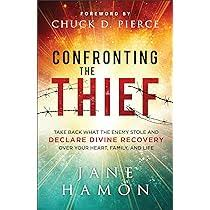
Confronting the Thief: Take Back What the Enemy Stole and Declare Divine Recovery Over Your Heart, Family, and Life – A Prophetic Blueprint for Reclaiming Your Divine Inheritance

In a world rife with unseen spiritual battles, where loss—whether financial setbacks, fractured relationships, health crises, or shattered dreams—can leave us feeling powerless, Confronting the Thief: Take Back What the Enemy Stole and Declare Divine Recovery Over Your Heart, Family, and Life emerges as a beacon of hope and empowerment. Authored by renowned prophetic leader Jane Hamon and published on August 20, 2024, by Chosen Books (an imprint of Baker Publishing Group), this 237-page hardcover is more than a book; it’s a battle manual for believers ready to shift from victimhood to victory. Drawing from deep biblical truths and prophetic insights, Hamon equips readers to confront the “thief” referenced in John 10:10—the enemy who comes to steal, kill, and destroy—and to boldly declare restoration over every area of life. If you’ve ever wondered how to recover what feels irretrievably lost, this book offers a divine strategy rooted in Scripture, complete with practical prayers and decrees to activate supernatural breakthrough.

Who Is Jane Hamon? A Voice of Prophetic Authority

Jane Hamon is no stranger to the frontlines of spiritual warfare and restoration. A dynamic speaker, author, and apostolic leader, she serves alongside her husband, Tom Hamon, as senior pastor of Vision Church @ Christian International in Santa Rosa Beach, Florida. With over 40 years in ministry, the Hamons have built a vibrant local congregation while traveling to more than 50 nations to ignite revival and equip leaders. Jane’s journey began at age 14 when she encountered Christ, followed by Bible college at 17, and a season at the Christian Broadcasting Network (CBN) where she honed her skills in communication and prophetic ministry. As a key figure in Christian International Ministries—founded by her father-in-law, Dr. Bill Hamon—she has authored six books, including bestsellers like Dreams and Visions and Prophetic Breakthrough, training thousands in apostolic and prophetic gifting.

Hamon’s writing style blends scholarly depth with accessible warmth, making complex spiritual concepts feel like a personal conversation with a trusted mentor. Her prophetic voice, often described as “piercing yet uplifting,” stems from a lifetime of witnessing God’s redemptive power in her own family and global outreaches. As she notes in her works, “God is not in the business of loss; He is the Master of recovery.” In Confronting the Thief, Hamon channels this expertise to address the universal ache of stolen promises, urging readers to rise as warriors in their God-given destiny.

The Core Message: From Robbery to Radical Recovery

At its heart, Confronting the Thief is a clarion call to action against the enemy’s insidious tactics. Hamon opens with a sobering reality: “We’ve all felt the gut-wrenching helplessness of loss when the enemy has stolen something from us: finances, health, peace, a promise or opportunity, even family and friends.” Yet, she pivots swiftly to hope, reminding us of Jesus’ promise in John 10:10: “I have come that they may have life, and that they may have it more abundantly.” The book dismantles the lie of permanent defeat, revealing how believers can legally and spiritually demand restitution through Christ’s authority.

Hamon structures her teaching around the enemy’s threefold agenda—steal, kill, destroy—while unveiling God’s counter-strategy of abundance and double-portion recovery, inspired by stories like Job’s restoration (Job 42:10) and David’s bold retrieval of what was taken (1 Samuel 30). Without spoiling the depth, the narrative unfolds progressively: identifying the thief’s entry points (such as fear, deception, and generational curses), exposing hidden strongholds, and mapping a path to freedom. Each chapter builds like a prophetic roadmap, weaving personal anecdotes from Hamon’s ministry with historical biblical examples, ensuring readers feel seen and equipped.

While a full table of contents isn’t publicly excerpted in previews, the book’s thematic flow is evident from its endorsements and descriptions: early sections likely focus on discernment and authority, mid-chapters on targeted prayers for heart, family, and life domains, and the finale on sustaining prophetic promises in everyday victory. This interactive format invites pause for reflection, journaling, and activation—transforming passive reading into active warfare.

Key Themes: Empowering Declarations for Divine Turnaround

What sets Confronting the Thief apart is its emphasis on application. Hamon doesn’t just diagnose the problem; she arms readers with tools to enforce solutions. Here are five pivotal themes that anchor the book’s transformative power:

  1. Taking Authority Over the Thief: Hamon teaches how to bind the enemy’s operations using Jesus’ name, drawing from Matthew 18:18 (“Whatever you bind on earth will be bound in heaven”). Practical decrees like “I declare every stolen gate in my life is shut and sealed by the blood of Jesus” empower immediate spiritual shifts.
  2. Full Restoration in Every Sphere: From personal healing to familial reconciliation, the book outlines steps for reclaiming lost ground. Hamon highlights Zechariah 9:12—”Prisoners of hope… I will restore twice as much”—as a covenant promise for double recovery.
  3. Supernatural Provision and Prosperity: Addressing financial theft, Hamon integrates principles from Malachi 3:10-11, offering prayers to “open the windows of heaven” and rebuke devourers. Readers learn to align with God’s economy of abundance.
  4. Possessing Prophetic Promises: For those awaiting unfulfilled words from God, Hamon provides strategies to war in the spirit, ensuring promises aren’t aborted by opposition.
  5. Double-Portion Living: Culminating in empowerment, the book equips believers to not only recover but thrive, living in “supernatural power” as overcomers (Revelation 12:11).

These themes are laced with prophetic insights—Hamon’s hallmark—making the book a vital resource for prayer warriors, pastors, and anyone navigating seasons of loss.

Real Impact: What Readers Are Saying

Early readers hail Confronting the Thief as a “needed arsenal in the hands of every Christian,” praising its jam-packed scriptural depth and actionable wisdom. On Goodreads, where it holds strong early ratings, one reviewer called it “an intentional, interactive journey that requires your focus, prayer, and participation,” emphasizing its demand for effort to unlock full revelation. Another shared, “I learned so much and how to apply scripture. Don’t let the enemy continue to steal from you!!”

At Christianbook.com, a five-star review from June 2025 raves: “Terrific book and so much insight… Jane Hamon teaches you how the enemy works, his way of deceiving us, but how to discern his ways, and overcome them, taking back what he has stolen from you.” Endorsements from prophetic peers, including a foreword by Chuck D. Pierce, underscore its timeliness: “Jane Hamon brings piercing insight to confront the thief and declare divine recovery.” With an audiobook narrated by the author available since September 2024, it’s accessible for on-the-go warriors.

Why This Book Matters Now – A Call to Arise

In an era of escalating global uncertainties—from economic pressures to relational breakdowns—Confronting the Thief arrives as divine timing. Hamon’s message resonates deeply in charismatic and Pentecostal circles, but its universal appeal lies in its reminder: You were never meant for defeat. As she concludes, “It’s time to contend against the enemy’s death and destruction, arise in strength and wisdom, and recover all he’s stolen from you.”

Whether you’re battling personal grief or leading others through crisis, this book invites you to declare divine recovery today. Available at major retailers like Amazon, Barnes & Noble, and Christianbook.com, it’s priced affordably (around $18-20) and ripe for group studies or personal devotionals. Dive in, decree boldly, and watch God turn your mourning into dancing—because the thief’s reign ends when God’s people rise.

For more on Jane Hamon and her ministry, visit TomAndJaneHamon.com. Your season of restoration starts here.

Jayden Daniels Injury: Commanders QB Suffers Dislocated Elbow in Heartbreaking Loss to Seahawks – Full Breakdown and Recovery Outlook

In a nightmarish turn for the Washington Commanders, star quarterback Jayden Daniels’ promising sophomore season took a devastating hit—literally—during Sunday Night Football. The 2024 NFL Offensive Rookie of the Year suffered a dislocated left elbow late in a 38-14 rout by the Seattle Seahawks, leaving fans, teammates, and the franchise reeling. This Jayden Daniels injury, which occurred with the game all but decided, has sparked immediate questions about his availability for the rest of the 2025 campaign and the Commanders’ fading playoff hopes. As the team drops to 3-6, all eyes are on Monday’s MRI results that could dictate Daniels’ path forward.

The Shocking Moment: How the Jayden Daniels Injury Unfolded

The incident happened with just 7:39 left in the fourth quarter at Lumen Field, where the Seahawks had already built an insurmountable 38-7 lead. Daniels, scrambling to his right under intense pressure, was brought down hard by Seattle linebacker Drake Thomas at the 4-yard line. The tackle awkwardly hyperextended Daniels’ left elbow—his non-throwing arm—causing it to bend unnaturally backward. Visibly writhing in agony, Daniels clutched his arm as medical staff rushed the field. Teammates, including offensive lineman Sam Cosmi and tight end Zach Ertz, knelt in a protective circle around him, while the sparse crowd at the stadium fell into a stunned silence.

Prior to the Jayden Daniels injury, the young QB had shown flashes of his dual-threat brilliance despite the Commanders’ offensive struggles. He completed 16 of 22 passes for 153 yards, tossed one interception, and added 51 rushing yards with a touchdown on the ground. However, ESPN Research highlighted the brutal toll of the game: Daniels faced pressure on a career-high 51% of his dropbacks, including 61% in the second half, and absorbed 14 hits—the second-most he’d taken all season. This relentless defensive assault from Seattle set the stage for the tragic mishap, turning what should have been a routine scramble into a season-altering nightmare.

Medical Details: Dislocated Elbow and Indefinite Timeline

Initial reports from multiple sources confirm that Daniels dislocated his left elbow, a painful and potentially long-term issue that requires immediate stabilization and further evaluation. Trainers applied a black air cast to the joint on the sideline before helping Daniels—walking rather than carted off—to the locker room, a small sign of his resilience amid the pain. No fractures have been officially ruled out yet, but the dislocation alone is serious enough to sideline him indefinitely.

An MRI is scheduled for Monday, November 4, to assess ligament damage, nerve involvement, and any associated tears that could extend recovery time. While it’s too early to declare the Jayden Daniels injury season-ending, insiders suggest the prognosis leans toward extended absence, possibly ruling him out for multiple weeks or more. For context, elbow dislocations in NFL players often sideline stars for 4-8 weeks minimum, with full return-to-play timelines stretching into months depending on rehab progress. Daniels’ youth (he’s just 25) and work ethic could aid a faster bounce-back, but the Commanders’ medical team will prioritize caution to avoid chronic issues.

This isn’t the first time the Arizona State and LSU product has battled the injury bug in 2025. Daniels missed two games earlier due to a sprained knee from Week 2 against the Green Bay Packers and sat out another after a hamstring strain in Week 7 versus the Dallas Cowboys—his most recent return was just this past Monday against the Kansas City Chiefs. These setbacks have already hampered Washington’s rhythm, and the elbow adds another layer of uncertainty to what was billed as Daniels’ breakout year.

Dan Quinn’s Presser: Gutted Coach Defends Decision to Keep Daniels In

Head coach Dan Quinn faced a barrage of tough questions in his postgame press conference, where the weight of the Jayden Daniels injury hung heavy. “I’m gutted by it,” Quinn admitted, his voice laced with regret as he confirmed the left elbow was the affected area without delving into specifics. He promised a fuller update once more was known but stopped short of speculating on severity.

The elephant in the room? Why was Daniels still on the field in a 31-point blowout? Quinn explained that the play wasn’t a designed run or scramble—it was meant as a handoff to running back Chris Rodriguez Jr. or a quick flat throw, but instant pressure forced Daniels to improvise. “You don’t want to think that way where an injury could take place,” Quinn said. “If we run it 50 times, it’s either a handoff or throw 50 times. So, yeah, it’s a bummer, man.” He acknowledged hindsight’s clarity, noting there was no pre-injury discussion about pulling his starter, even as the scoreline screamed for a mercy rule on the QB.

Criticism has poured in from analysts and fans alike, with many labeling the choice “horrific” and questioning Quinn’s clock management in garbage time. The Commanders’ drop to 3-6 amplifies the scrutiny, as protecting a franchise cornerstone like Daniels should trump any competitive pretense in a lost cause. Quinn, ever the steady hand from his Dallas and Atlanta days, leaned on team unity: “Football’s a violent game… but we’ll rally around him.”

Teammate Tributes: A Locker Room in Mourning

The emotional fallout from the Jayden Daniels injury rippled through the Commanders’ sideline and locker room. Right guard Sam Cosmi captured the stadium’s collective gasp: “Gut-wrenching. You could just hear the air [come] out of everybody… Not a good feeling to see that for sure. It really sucks. I put my head down and prayed for him. You don’t want to see that. That’s our guy.” Tight end Zach Ertz, a veteran presence, echoed the sentiment: “Just distraught. I care about Jayden the person much more than the player… To see him down like that in pain is tough. Football is a tough sport.”

Linebacker Frankie Luvu called Daniels “a true dog,” while backup QB Marcus Mariota emphasized support: “We all talked about it afterward, just being there for him… He’s always in good spirits. He’s an incredible person.” Mariota, who went 1-2 in Daniels’ prior absences with four TDs and four picks, is poised to step up again—next against the Detroit Lions on Sunday. The group’s protectiveness underscores Daniels’ rapid rise as a locker room leader, a far cry from his rookie days.

Broader Implications: A Crippled Commanders Squad and Playoff Fade

The Jayden Daniels injury exacerbates an already injury-riddled roster for Washington. Key absences include RB Austin Ekeler, DEs Deatrich Wise Jr. and Dorance Armstrong, S Will Harris, WR Noah Brown, and star receiver Terry McLaurin (now out five games with a quad). Last year’s 12-5 miracle run to the NFC Championship feels distant; this season’s bumps have exposed vulnerabilities in depth and protection.

Without Daniels’ electric arm and legs—3,568 passing yards, 25 TDs, 891 rushing yards, and six scores as a rookie—the offense sputters. Mariota offers stability but lacks the spark, and the defense, while gritty, can’t carry blowouts alone. At 3-6, the Commanders’ wildcard dreams hinge on a miracle streak, but the elbow setback likely dashes MVP whispers for Daniels and forces a reevaluation of Quinn’s aggressive style.

Looking Ahead: Recovery Roadmap and Team Resilience

As the dust settles on this gut-punch, optimism flickers in Daniels’ corner. His MRI results will be pivotal—potentially revealing if surgery looms or conservative rehab suffices. Teammates and coaches alike vow unwavering support, with Mariota rallying the huddle: “Making sure he feels supported… he’s not doing this alone.”

For Commanders faithful, the Jayden Daniels injury is a cruel reminder of the NFL’s brutality, but also a testament to his grit. Updates will trickle in post-MRI, but one thing’s clear: Washington—and the league—will miss No. 5’s magic until he’s back slinging it. Stay tuned for the latest on this developing story.

Sources: This article draws from real-time reporting and analysis. For video highlights and pressers, check official NFL channels.

Are JD Vance and Erika Kirk in a Relationship? Debunking the Viral Hug Rumors

In the whirlwind world of American politics, where every gesture can spark a firestorm, a seemingly innocent hug has ignited intense speculation: Are JD Vance and Erika Kirk in a relationship? The embrace between the U.S. Vice President and the widow of conservative activist Charlie Kirk, captured at a recent Turning Point USA event, has gone viral, fueling rumors of an affair, divorce, and even a potential political power couple. But as social media buzzes with conspiracy theories and tabloid-style predictions, the facts paint a far less dramatic picture—one rooted in grief, friendship, and shared conservative values. This article dives deep into the origins of the rumors, the context behind the moment, and why claims of romance remain unsubstantiated.

Who Is Erika Kirk? From Behind the Scenes to Spotlight

Erika Kirk, née Erika Frantzve, has long been a fixture in conservative circles, but her public profile skyrocketed following the tragic death of her husband, Charlie Kirk. Born and raised in a politically active family, Erika met Charlie in the early 2010s through mutual connections in youth conservative activism. The couple married in 2018 and welcomed two children before Charlie’s assassination. Erika, a former radio host and producer, co-hosted the popular “The Charlie Kirk Show” podcast and played a key role in Turning Point USA (TPUSA), the organization Charlie co-founded in 2012 to mobilize young conservatives on college campuses.

Following Charlie’s death, Erika stepped into the CEO role at TPUSA, vowing to carry forward his legacy of combating “woke” ideology and promoting patriotic education. Described by colleagues as resilient and charismatic, she has navigated immense personal loss while leading the nonprofit through turbulent times, including fundraising drives and campus expansions. Her poised demeanor has earned praise from allies like JD Vance, who has publicly lauded her strength in interviews.

The Tragic Backdrop: Charlie Kirk’s Assassination

To understand the emotional weight of the JD Vance-Erika Kirk hug, one must first grasp the profound grief it emerged from. On September 10, 2025, Charlie Kirk, 31, was fatally shot during a speaking engagement at Utah Valley University in Orem, Utah. The assailant, 22-year-old Tyler Robinson, climbed onto a rooftop around noon and fired a single shot before fleeing the scene. Robinson, a former student radicalized online according to prosecutors, was motivated by a mix of anti-conservative sentiment and personal grievances, though the full motive remains under investigation.

The assassination sent shockwaves through the right-wing ecosystem. A massive FBI manhunt ensued, with Robinson apprehended two days later in a rural cabin. Tributes poured in from figures like Donald Trump and Elon Musk, who called Kirk a “warrior for freedom.” The incident prompted national debates on political violence, with calls for enhanced security at public events. For Erika, it meant not just mourning her husband but assuming leadership of TPUSA amid heightened scrutiny and threats.

The Event That Sparked It All: Turning Point USA’s “This Is the Turning Point” Tour

The hug in question unfolded on October 30, 2025, at the University of Mississippi during TPUSA’s “This Is the Turning Point” campus tour—a high-energy series of debates and rallies aimed at energizing Gen Z conservatives ahead of midterm elections. JD Vance, fresh off his vice-presidential inauguration, headlined the event, stepping into the role Kirk once filled as a stage debater against liberal students.

As the evening wound down, Vance and Kirk shared a moment onstage. Photos and video clips show Vance placing his hands on her waist while she rests a hand in his hair; he leans in, briefly nuzzling her hair, both appearing emotional. Kirk later remarked to the crowd, “No one will replace my husband, but I do see similarities in JD,” praising Vance’s shared vision for America’s future. The gesture was framed by organizers as a symbol of solidarity in Kirk’s ongoing mission.

During the same event, Vance addressed his interfaith marriage to wife Usha Chilukuri Vance, a Hindu, saying he hoped she would one day convert to Christianity for their family’s sake—though he emphasized free will and their commitment to raising their children in the faith. This candid comment, combined with the hug, amplified online chatter.

Public Reaction: From Viral Memes to Wild Predictions

Social media erupted almost immediately. On X (formerly Twitter), hashtags like #VanceKirkHug trended, with users dissecting the clip frame-by-frame. One post quipped, “I don’t care what anyone says – this is not how you hug your friend,” highlighting Vance’s hand placement. Others escalated to full-blown theories: A New York Times opinion piece author jokingly predicted Vance would divorce Usha and marry Kirk by 2026, a claim that exploded into memes.

Critics on the left, like those at The New Republic, called the embrace “uncomfortably close” and disrespectful to Usha, especially amid Vance’s conversion comments. Conservative voices defended it as a platonic show of support, with one X user noting, “Erika’s under attack for her ‘closeness’ with VP Vance… but grief looks different.” YouTube videos titled “ON CAM: JD Vance’s ‘Mushy Hug’ With Erika Kirk SPARKS BUZZ” racked up millions of views, blending outrage with entertainment.

The divide reflects broader cultural tensions: scrutiny of powerful men’s interactions with women in grief, amplified by Vance’s high profile as Trump’s VP.

The Facts: No Evidence of a Romantic Relationship

Despite the frenzy, fact-checks and reporting reveal zero substantiation for romance claims. Searches for prior connections between Vance and Kirk yield only professional ties—Vance has been a TPUSA ally since 2016, guesting on Kirk’s shows and endorsing the group’s initiatives. No dating history, leaked messages, or insider whispers have surfaced; speculations stem solely from the hug and Kirk’s complimentary remark.

Experts in political optics, like those cited in Economic Times analyses, describe it as “trauma bonding” in a shared ideological family, not flirtation. Erika has reiterated her devotion to Charlie’s memory, telling supporters, “This work is for him,” while Vance’s team dismissed rumors as “baseless distractions.” Their relationship, per multiple sources, is one of mentorship and mutual respect forged in conservative activism.

JD Vance’s Marriage: A Rock Amid the Storm

Any discussion of “Are JD Vance and Erika Kirk in a relationship?” must contextualize Vance’s 11-year marriage to Usha Vance. The couple met at Yale Law School, bonding over intellectual debates and Appalachian roots (hers metaphorical, his literal). Usha, a biotech patent lawyer and accomplished clerk, has been Vance’s steadfast partner through his Senate run, VP campaign, and now White House role. They share three children—Ewan, Vivek, and Mirabel—and live in a blended-faith household where Usha’s Hinduism coexists with Vance’s evangelical Christianity.

Vance’s event comments on conversion drew backlash for perceived insensitivity, but Usha has publicly affirmed their bond, posting family photos on social media with captions like “Grateful for our journey.” Insiders describe the Vances as “unbreakable,” with Usha advising on policy from the Naval Observatory.

Conclusion: Grief, Not Gossip, Defines the Moment

Are JD Vance and Erika Kirk in a relationship? The answer, based on exhaustive reporting, is a resounding no. What unfolded at Ole Miss was a heartfelt, if awkwardly intimate, expression of solidarity amid profound loss—not the prelude to scandal it’s been spun into. In an era where a hug can topple narratives, this story reminds us to seek substance over sensationalism. As Erika Kirk steers TPUSA forward and Vance navigates the vice presidency, their alliance remains a pillar of the conservative movement, untainted by unfounded whispers. For now, the real relationship worth watching is between facts and the fervor of the feed.

Sources: This article draws from verified reports including The New Republic, Hindustan Times, Economic Times, PBS, NPR, CNN, Wikipedia, and real-time X discussions as of November 2, 2025.

What is Mental Health: A Complete Guide

In this article, we will explore in detail what mental health is, what mental illness is—also referred to as poor mental health—its symptoms and signs, the types of mental illnesses, their causes, why we should address them as soon as possible, and how we can maintain our mental health throughout our lives to live better. Additionally, we will share some insights related to human psychology, mental health, and mental illness. So, please read this article until the end. Let’s dive in.

Understanding Mental Health and Its Importance

Let’s first understand what mental health is. Basically, mental health includes our emotional, psychological, and social conditions, which directly impact our ability to think, feel, and act. It also helps us handle stress, manage relationships with others, and make decisions in daily life. Whether it’s childhood, adulthood, or old age, good mental health is essential for every stage of life. But if at any point in our lives, we experience issues like…

“Mental health affects emotions, thoughts, and relationships.” (10 words)

What is Mental Illness and Its Symptoms

Problems like depression, anxiety, excessive worry, hopelessness, or suicidal thoughts can indicate a mental illness. Yes, if you keep thinking about a particular thought or feel a specific emotion for an extended period—two weeks, three months, six months, or even years—it is not normal and could be a sign of mental illness. We should address it as soon as possible because it can trouble us throughout our lives, completely change us, worsen our emotional connections, damage our relationships, and affect the quality of our thinking, understanding, and speaking. It has been found that worldwide, 90% of suicides are due to mental illness. So, friends, just as physical health is important, mental health is equally, if not more, important.

“Mental illness impacts thoughts and emotions over time.” (8 words)

Feeling sad, anxious, or low on energy is something to watch for. Another aspect is social conditions—preferring to stay alone, being affected by a bad environment or negative company, quickly getting upset by others’ words, or losing trust and interest in people. If any of these symptoms persist in a person for months or years, there’s a high chance they are suffering from a mental illness. However, if these symptoms last only a few days and then go away, that’s normal because, as humans, it’s natural to feel different emotions occasionally.

“Persistent symptoms signal mental illness.” (5 words)

Another category is emotional symptoms, which include feeling like a failure or worthless, losing self-confidence, having no interest in any activity or work, feeling excessively angry, or always being sad.

In today’s world, behaviors like negative thinking, suicidal thoughts, or irritability are commonly observed.

Types of Mental Illness and Common Examples

According to neurologists and psychologists, some types of mental illnesses include autism, depression, attention deficit hyperactivity disorder (ADHD), schizophrenia, Alzheimer’s disease, obsessive-compulsive disorder (OCD), and personality disorders. These are found in patients and manifest in various ways, but major depressive disorder is the most common, with depression being a significant issue. Smartphones and social media contribute significantly, affecting one in five people.

“Depression is the most common mental illness type.” (8 words)

Causes of Mental Illness

So, what causes us to fall prey to mental illness? There are many reasons, including biological factors like our genes and brain chemistry, life experiences such as trauma, childhood abuse, family mental health history, head injuries, health problems, or bad habits and addictions.

Levels of Mental Illness and Treatment

Doctors and experts use a classification system to simplify mental illness. In Level 1, most mentally depressed people can recover on their own with knowledge and effort. In Level 2, we need our own efforts along with support from family, friends, and partners. Level 3 is a major level where we need help from close ones and doctors. However, seeking expert help at Level 1 itself is better because most of us lack proper knowledge about it.

“Level 1 recovery is possible with self-effort.” (8 words)

How to Maintain Mental Health for Life

But if we feel we are at a certain level and want to keep our mental health good for life, we can do so by making some changes in our habits and lifestyle. Start your day right by dedicating at least 1 to 2 hours to yourself in the morning—this is also called “me time.” During this time, include habits like physical exercise, positive breathing, and meditation. Learn to handle stress, stay away from bad habits or addictions, never underestimate yourself or your worth compared to others, maintain good relationships with positive and thankful people, and understand that not everyone is the same or will like you. Doubting yourself, having low confidence, or feeling worthless are lies your mind tells you—learn to handle such thoughts. Eat a healthy diet daily. If something is bothering you, share it with others. Focus on long-term thinking instead of short-term thinking, use your phone and social media as little as possible, and listen to your body’s needs by getting good sleep daily.

“Morning habits and positivity sustain mental health.” (7 words)

Additionally, if you want to read some books, you can try The Power of Now, How to Stop Worrying and Start Living, Happiness for You, You Are Not Your Mind, Rewire Your Brain, Sadhana, Man’s Search for Meaning, Panic Attacks, Emotional Intelligence, or Meditation. You can read any of these or others based on your preference.

Mental Health FAQs Based on Long-Tail Keywords

What daily habits should I adopt to improve mental health?

Dedicate at least 1 to 2 hours to yourself in the morning—this is also called “me time.” During this time, include habits like physical exercise, positive breathing, and meditation.

What are the early signs of mental illness and how to recognize them?

If you keep thinking about a particular thought or feel a specific emotion for an extended period—two weeks, three months, six months, or even years—it is not normal and could be a sign of mental illness.

How can I reduce social media use to avoid depression and mental illness?

Use your phone and social media as little as possible.

Which books should I read to maintain mental health?

You can try The Power of Now, How to Stop Worrying and Start Living, Happiness for You, You Are Not Your Mind, Rewire Your Brain, Sadhana, Man’s Search for Meaning, Panic Attacks, Emotional Intelligence, or Meditation.

What are the causes of mental illness, and how does family history affect it?

Biological factors like our genes and brain chemistry, life experiences such as trauma, childhood abuse, family mental health history, head injuries, health problems, or bad habits and addictions.

When should I seek a doctor’s help for mental health issues?

Seeking expert help at Level 1 itself is better because most of us lack proper knowledge about it.

Karmic Relationship Meaning in English: Signs, Types, and Ways to Break Free

In today’s fast-paced life, relationships often feel like mysterious puzzles. Sometimes, it seems like someone has suddenly entered your life, feeling familiar yet filled with ups and downs. That’s a karmic relationship – a bond tied to the karma from past lives. In English, it’s referred to as a karmic connection or karmic bond. This article will delve deep into its meaning, helping you not only understand it but also recognize it and bring balance to your life. We’ve drawn from reliable sources, including spiritual, astrological, and psychological perspectives.

What is a Karmic Relationship?

A karmic relationship is a spiritual connection between two souls, formed to resolve unresolved issues, karma, or debts from past lives. It isn’t an ordinary romance or friendship but a bond where both individuals teach each other vital life lessons. In Hindu, Buddhist, and Jain philosophies, the principle of karma states that our actions bear fruit in some form. Similarly, these relationships appear in the current life to complete ‘unfinished business’ from previous incarnations.

For instance, if you betrayed someone in a past life, that person might return in this life to teach you about trust – perhaps through pain. These bonds can be romantic, familial, friendly, or even professional. However, they are especially intense and unstable in love relationships, where passion and conflict coexist. From a psychological viewpoint, they resemble ‘trauma bonding,’ where cycles of extreme highs and lows keep you hooked.

Types of Karmic Relationships

Karmic connections are primarily divided into three categories based on their purpose:

  1. Soulmate Relationship: A supportive and nurturing bond where both partners ease each other’s life journey through help and love. Purpose: Mutual support.
  2. Twin Flame Connection: The reunion of two halves of the same soul, aimed at fulfilling a shared purpose. It can be romantic, toxic, or platonic. Once the purpose is achieved, separation often occurs.
  3. Karmic Partnership: Focused on resolving past-life issues. These are the most challenging, involving profound lessons for personal growth. They don’t last long unless the karmic cycle completes.

Signs and Symptoms of a Karmic Relationship

How do you know if your relationship is karmic? Here are key signs, drawn from spiritual and psychological sources:

  • Instant Deep Connection: From the first meeting, it feels like you’ve known each other for years. The rest of the world fades away.
  • Cycle of Ups and Downs: Intense passion followed by arguments, then reconciliation. This rollercoaster creates addiction-like feelings, but stability is absent.
  • Repeating Old Patterns: Childhood issues or pains from past relationships resurface. Jealousy, control, or insecurity dominate.
  • Sense of Learning Lessons: Through the relationship, you confront your weaknesses, such as forgiveness, independence, or self-respect.
  • Instability and Toxicity: Power dynamics are imbalanced; one dominates, the other suffers. Emotional abuse or violence may occur.
  • Fear of Separation: Leaving feels terrifying, yet staying is painful.

These signs indicate a karmic tie, but remember – they aren’t inherently bad; they come for growth.

Karmic Relationships from an Astrological Perspective

In astrology, karmic bonds are linked to planetary influences, especially Rahu, Ketu, and Saturn. If your chart’s Rahu aligns with another’s Moon sign, a strong karmic link forms. Examples:

  • Rahu-Ketu Conjunction: Lessons in desires and letting go.
  • Saturn-Rahu: Harsh, teaching relationships.
  • Venus-Ketu: Love that starts sweetly but turns painful.

A birth chart analysis can reveal why the relationship is karmic and when it might end. These ties repay past-life debts, so pain is natural.

Differences from Other Relationships

TypeKarmic RelationshipSoulmateTwin Flame
PurposeResolve past karma, learn lessonsSupport and joyFulfill a shared mission
NatureChallenging, unstableStable, nurturingIntense, transformative
DurationShort, ends after purposeLong-termCyclical, separation possible
FeelingPassion + painPeace + loveMirror-like, reflects self

Karmic relationships are for evolution, while soulmates provide comfort.

Why Do These Relationships Enter Our Lives?

Karmic bonds aren’t coincidences; they’re part of the universe’s plan. Reasons include:

  • Repaying Karma: Settling debts or rewards from past lives.
  • Personal Growth: Strengthening weaknesses.
  • Spiritual Advancement: Elevating the soul to higher levels.
  • Breaking Cycles: Ending repetitive patterns.

They bring pain but make you stronger. For example, a toxic lover might teach you independence.

How to Deal with or End a Karmic Relationship?

Karmic relationships aren’t meant to be permanent; they naturally dissolve once the purpose is fulfilled. If toxic, take proactive steps:

  1. Self-Reflection: Identify the lessons. Journal or meditate.
  2. Set Boundaries: Don’t tolerate unhealthy behavior.
  3. Seek Support: Talk to family, friends, or a counselor. In cases of violence, contact helplines (e.g., 1098 in India).
  4. Spiritual Practices: Yoga, meditation, or astrological remedies to clear karma.
  5. Part Ways Peacefully: Once lessons are learned, say goodbye without resentment – this breaks the cycle.
  6. Focus on New Bonds: Seek healthy connections.

Remember, karmic relationships are ‘teachers,’ not ‘traps.’ Don’t romanticize them.

Conclusion

The meaning of a karmic relationship in English boils down to this: They are mirrors of past-life karma, arriving to make you a better person. Whether through pain or passion, their goal is growth. Recognize them, absorb the lessons, and move forward – that’s true liberation. If your relationship matches these signs, trust yourself. Life is a cycle of karma, and you can break it. For more, consult an astrologer or spiritual guide. Have you experienced one? Share in the comments!

References: This article is based on various reliable sources, including Cleveland Clinic, Navbharat Times, and insights from astrology experts.

What Women Notice First About Men: The Psychology of First Impressions

First impressions are formed in just a few seconds. And the psychology behind them is pretty fascinating. Whether you realize it or not, women are picking up on so many subtle cues the moment that they meet you. And a lot of them go beyond just looks or style. what women actually notice first, the psychology behind it, and how you can make those first few moments count and work in your favor.

1. Your Energy and Presence: Key to Making a Strong First Impression

Number one, we have your energy and presence. Before you even say a word, women are picking up on your energy. Psychologists call this thin slicing, which is the ability to form surprisingly accurate judgments in just a few seconds. Everything about you, your posture, your body language, even how you enter a room, send signals. Are you walking in confident and grounded or fading into the background with your nose in your phone? Being present isn’t just about being loud or showy. It’s about standing tall, making eye contact, and moving with purpose. Women notice the difference between someone who’s comfortable in their own skin and someone who’s trying too hard to impress. One simple tip that actually really helps me is before you walk into a room or start a conversation, take a deep breath and remind yourself to take up space without apology. Act like you belong there because you do. Once you’re talking, focus on truly listening to the person that you’re talking to. Lean in slightly. Respond thoughtfully. You can even mirror their energy just a little bit. Psychologists call this interpersonal synchrony. It’s that sense of being in tune with the person that you’re talking to. When you’re truly present, she can feel it, and that connection makes a first impression actually stick.

“Project confidence through presence and genuine connection.”

2. Your Style Choices: What Your Clothes Say About You to Women

Number two, your style choices and what they signal. Clothes are one of the first things that women notice. Not just what you’re wearing, but what it says about you. Does it look intentional? Does it fit? Does it match the occasion? This is where psychology comes in. There’s a concept called enclosed cognition. Basically, your clothes don’t just affect how others see you, they also affect how you feel about yourself. A clean, well-fitted outfit makes you feel more confident, and that confidence is going to show. You don’t need a huge wardrobe or designer labels. Just focus on fit, condition, and matching the sort of vibe of the occasion, dressing appropriately for the occasion you’re going to. Even simple, intentional outfits send the message that you respect yourself and the people around you. Keeping these things in mind shows maturity and self-awareness, and women will notice this instantly.

“Style reflects self-respect and boosts inner confidence.”

3. Grooming and Attention to Detail: Small Things Women Notice Immediately

Number three, grooming and attention to detail. Women notice those small things that a lot of men overlook. Clean nails, fresh breath, neat hair. It seems minor, but these details communicate discipline and self-respect. Psychologists call this one the halo effect. When one thing, like looking well-groomed, is positive, women will naturally assume other good things about you, like competence and reliability. Here is such an easy solution. Build a simple routine. Trim your nails once a week, once every other week. Keep mints or gum handy. Use a basic skincare routine. And find a barber that you trust. You don’t need perfection, just consistency. In a first impression, those small details do make a huge difference.

4. The Way You Speak: How Delivery Influences Women’s Perception

Number four, the way you speak. Your words matter, but how you deliver them matters even more. Tone, pace, and clarity all affect how women perceive you. Do you speak confidently, or do you mumble and rush through your sentences? Research shows that a steady, relaxed tone projects confidence and authority while rushed or nervous speech signals uncertainty. One simple trick that I have for you that trust me I am also working on is slow down. Don’t be afraid of a pause. Let your words carry weight instead of feeling every single moment of silence. Record yourself talking if you need to. I think hearing your own pace can make you instantly more aware and more confident. I know at least it had that effect on me when I’m going back and watching my videos. I can always tell, oh, you were a little bit anxious in that one. Or maybe you were rushing. You’re talking too fast, girlfriend. Slow it down.

“Speak steadily to convey confidence and authority.”

5. Emotional Warmth and Expression: Making Yourself Approachable to Women

Number five, emotional warmth and expression. Confidence is attractive, but warmth is what really makes someone approachable. Women notice if you seem open, curious, and friendly, or if you come across kind of closed off. Smiling, relaxed expressions, and genuine curiosity go such a long way here. Psychologists call this emotional contagion. People naturally mirror the emotions of those around them. A quick way to practice is smile when you greet someone. Ask one thoughtful question and show interest in their answer. First impressions aren’t just about your own strength or confidence. They’re about having a balance. Confidence plus kindness.

6. Social Awareness and Manners: How You Treat Others Speaks Volumes

Number six, social awareness and manners. How you treat other people matters. Do you acknowledge the waiter, the barista, the doorman? Women notice. Psychologists call this trait inference. We infer character based on small behaviors. Being dismissive or rude is going to signal a lack of empathy. Showing little gestures of kindness, even tiny ones, like I mentioned before, have such a big impact. Think of it this way. First impressions aren’t just about how you act around her. They’re about how you move through the world. Those small cues and how you treat other people say more than words ever could.

7. Consistency and Congruence: Building Trust in First Encounters

Number seven, consistency and congruence. Finally, women notice when who you present yourself as matches who you really are. If your words, energy, and actions don’t quite line up, it creates a subtle sense of unease. Psychology calls this congruence. People trust and feel comfortable with someone whose behavior feels consistent. A man who says one thing but acts another way creates doubt. A man who aligns his style, energy, actions leaves a lasting, positive impression. It makes her feel more comfortable and makes her trust you more. Good first impression. Authenticity isn’t oversharing or trying to prove that you’re real. It’s just about being aligned, and that alignment is what makes you stand out in the first few moments of meeting someone.

“Align actions with words for authentic impressions.”.

FAQ: Long-Tail Questions on What Women Notice First in Men

What psychological factors influence what women notice first about a man’s energy and presence during a first meeting?

Before you even say a word, women are picking up on your energy. Psychologists call this thin slicing, which is the ability to form surprisingly accurate judgments in just a few seconds. Everything about you, your posture, your body language, even how you enter a room, send signals.

How does a man’s style choices affect the first impression he makes on women according to psychology?

Clothes are one of the first things that women notice. Not just what you’re wearing, but what it says about you. There’s a concept called enclosed cognition. Basically, your clothes don’t just affect how others see you, they also affect how you feel about yourself.

Why do small grooming details like clean nails and fresh breath matter in what women notice first about men?

Women notice those small things that a lot of men overlook. Clean nails, fresh breath, neat hair. It seems minor, but these details communicate discipline and self-respect. Psychologists call this one the halo effect.

In what ways does the way a man speaks impact the first impression on women, including tone and pace?

Your words matter, but how you deliver them matters even more. Tone, pace, and clarity all affect how women perceive you. Research shows that a steady, relaxed tone projects confidence and authority while rushed or nervous speech signals uncertainty.

How can emotional warmth and expression help men make a better first impression on women psychologically?

Confidence is attractive, but warmth is what really makes someone approachable. Women notice if you seem open, curious, and friendly, or if you come across kind of closed off. Psychologists call this emotional contagion.

What role does social awareness and manners play in what women notice first about a man’s character?

How you treat other people matters. Do you acknowledge the waiter, the barista, the doorman? Women notice. Psychologists call this trait inference. We infer character based on small behaviors.

Why is consistency and congruence important for men in creating a positive first impression with women?

Women notice when who you present yourself as matches who you really are. If your words, energy, and actions don’t quite line up, it creates a subtle sense of unease. Psychology calls this congruence.