Top 100 Best First Date Questions

First dates can feel like a thrilling adventure and a nerve-wracking leap all at once. Having a handful of thoughtful questions up your sleeve not only eases the tension but also sparks genuine conversation and reveals whether you click. From lighthearted icebreakers to deeper, heart-felt prompts, here are 100 questions designed to keep things fun, authentic, and memorable—so you can focus less on what to ask next and more on simply enjoying each other’s company.

Why These First Date Questions Are Soooo Perfect

These conversation starters for first dates are designed to:

  • Spark curiosity: Encourage storytelling and engagement.
  • Build rapport: Create a comfortable, authentic vibe.
  • Reveal compatibility: Uncover shared values and interests.
  • Avoid awkward silences: Keep the conversation flowing naturally.

Optimized for keywords like first date conversation starters, questions to ask on a first date, and how to make a first date fun, this list ensures both connection and search engine visibility.

Fun and Lighthearted First Date Questions

  1. What’s the weirdest food combo you’ve ever tried?
  2. If you could teleport anywhere right now, where would you go?
  3. What’s your go-to karaoke song?
  4. What’s a random skill you’re proud of?
  5. If you were a superhero, what would your power be?
  6. What’s the best trip you’ve ever taken?
  7. Are you a dog person, cat person, or neither?
  8. What’s a movie you could watch on repeat?
  9. What’s the most random thing you’ve Googled recently?
  10. If you could have dinner with any celebrity, who’d it be?
  11. What’s your favorite guilty pleasure snack?
  12. If you could swap lives with someone for a day, who would it be?
  13. What’s the funniest thing you’ve seen online lately?
  14. What’s your favorite way to spend a lazy Sunday?
  15. If you could star in any TV show, which would you pick?
  16. What’s a quirky food you love that others might find weird?
  17. What’s the best concert you’ve ever been to?
  18. If you could invent a holiday, what would it celebrate?
  19. What’s your favorite board game or card game?
  20. What’s a childhood toy you still secretly love?

Questions to Uncover Their Personality

  1. What’s something you’re secretly nerdy about?
  2. What’s a hobby you’ve always wanted to try?
  3. How would your friends describe you in three words?
  4. What’s the last book you couldn’t put down?
  5. What’s your favorite way to unwind after a long day?
  6. Are you more of a planner or a go-with-the-flow type?
  7. What’s a small thing that makes you ridiculously happy?
  8. What’s the best gift you’ve ever received?
  9. What’s a quirky habit you have?
  10. If you could live in any era, which would you choose?
  11. What’s your favorite podcast or YouTube channel?
  12. What’s a talent you wish you had?
  13. What’s your go-to comfort food?
  14. What’s a movie that always makes you laugh?
  15. What’s the most spontaneous thing you’ve ever done?
  16. What’s your favorite season and why?
  17. What’s a hidden gem in your city you love?
  18. What’s a song that instantly boosts your mood?
  19. What’s your dream weekend getaway?
  20. If you could be any fictional character, who would you be?

Questions to Explore Values and Goals

  1. What’s something you’re really passionate about?
  2. Where do you see yourself in five years?
  3. What’s a cause you care deeply about?
  4. What’s your dream job, money aside?
  5. What’s a life lesson you’ve learned the hard way?
  6. How do you define success?
  7. What’s a tradition you’d love to start?
  8. What’s something you’d love to master one day?
  9. What’s more important: security or adventure?
  10. What’s a goal you’re working toward right now?
  11. What’s a value you’ll never compromise on?
  12. What’s the most rewarding thing you’ve accomplished?
  13. What’s a place you’d love to make a difference in?
  14. What’s your biggest motivation in life right now?
  15. What’s a skill you’d love to teach others?
  16. What’s a dream you’ve had since you were a kid?
  17. What’s one thing you’d change about the world?
  18. What’s your take on work-life balance?
  19. What’s a legacy you’d like to leave behind?
  20. What’s a book or movie that shaped your worldview?

Romantic and Flirty First Date Questions

  1. What’s your idea of a perfect date?
  2. What’s the most romantic thing you’ve ever done?
  3. What makes you feel most loved?
  4. What’s a dealbreaker in a relationship for you?
  5. What’s your love language—words, touch, or something else?
  6. What’s the best date you’ve ever been on?
  7. What’s something sweet you’d do for a partner?
  8. Do you believe in love at first sight?
  9. What’s a song that feels like falling in love?
  10. What’s one thing you find irresistible in a person?
  11. What’s your favorite romantic movie or book?
  12. What’s a small gesture that melts your heart?
  13. What’s your ideal way to spend Valentine’s Day?
  14. What’s a quality you admire in a partner?
  15. What’s a romantic destination you’d love to visit?
  16. What’s the sweetest compliment you’ve ever received?
  17. What’s your go-to move to make someone smile?
  18. What’s a moment when you felt butterflies?
  19. What’s your take on long-distance relationships?
  20. What’s a date idea you’ve always wanted to try?

Deep and Thoughtful First Date Questions

  1. What’s a moment that changed your life forever?
  2. What’s something you’ve learned about yourself recently?
  3. What’s a fear you’ve overcome or want to conquer?
  4. What does happiness mean to you?
  5. What’s a memory that always makes you smile?
  6. What’s something you wish people understood about you?
  7. What’s a tough experience that made you stronger?
  8. What’s your take on forgiveness?
  9. What’s a question you wish people asked you more?
  10. What’s one thing you’d tell your younger self?
  11. What’s a belief you’ve changed your mind about?
  12. What’s a challenge you’re proud to have faced?
  13. What’s your philosophy on living a good life?
  14. What’s a moment when you felt truly at peace?
  15. What’s a risk you’re glad you took?
  16. What’s something you’ve always wanted to say but haven’t?
  17. What’s a lesson your family taught you?
  18. What’s your biggest hope for the future?
  19. What’s a story that defines who you are?
  20. What’s one thing you want to be remembered for?

Tips for Using These First Date Questions

Keep it fun: Maintain a relaxed, playful atmosphere.

Read the room: Start with light, fun questions and ease into deeper ones as the vibe feels right.

Listen actively: Show genuine interest by responding to their answers.

Share your answers: Make it a two-way conversation to build trust.

Be authentic: Let your personality shine for a natural connection.

These 100 first date questions are here to help you have fun, real, and meaningful conversations. Use them in your own way, be yourself, and stay in the moment. Whether you want to laugh together, dive into deep talks, or feel a spark of romance, these questions can open the door to great chemistry and an unforgettable first date.

5 Amazing Benefits of Chia Seeds: A Superfood to Boost Your Health

Namaskar! Chia seed, this type of super food which really boost your energy, is a tiny powerhouse packed with nutrients to make you feel amazing. These little seeds are high in goodness and can transform your daily health routine. Let’s have a look at the incredible advantages that your body will gain if you consume chia seed every day, straight from the wisdom I’ve shared before. Stay healthy, stay fit, and let’s see why chia seeds are so wonderful!

1. Slows Down Aging Process

Chia seeds are loaded with an an oxidants that help Fights free radical that causes cell damage and deteriorates skin tissue. These free radicals also cause heart disease, cognitive decline, and certain types of cancer. Adding a spoonful of giaid in your breakfast bowl is a simple way to prevent skin damage and early signs of aging. It’s like giving your body a shield to keep you looking young and vibrant!

2. Promotes Weight Loss

Want to feel full and avoid OV eating? Giaid makes you feel saturated and naturally prevents overeating in a day. Two table spoon full of chia seeds can give you 40% of the fiber required for a day. For a morning boost, soak half teaspoon chia seed in water overnight or for an hour in the morning. Take a glass of warm water, add 1 teaspoon lemon juice and 1 teaspoon honey mixed well and now add the soaked chia seed. Drink it on empty stomach. This lemon-chia mix can burn minimum 6 calories of energy, helping you on your weight loss journey.

3. Good for Heart

Your heart will love chia seeds! Coratin, a very beneficial antioxidant in chia seed, can help fight heart disease. The seeds are also high in fiber and Omega-3 fatty acids, which can help to lower bad cholesterol and high blood pressure, so it lowers the risk of heart disease. Soak Chia seeds over night and add them in your cereal bowls. Chia seeds can go even in Fruit juices or smoothies either in the morning or evening or in between the meals. It’s an easy way to keep your heart happy.

4. Improves Bone Strength

Chia seeds are calcium rich food, with 1 ounce containing approxim 180 mgam or 18% of daily requirement, which is important for healthy bonies. They’re also great for optimal muscle as well as nerve functioning, thanks to magnesium and phosphorus, vital for bone health. Sprinkle them on your food or mix them in smoothies to keep your bones strong and ready for action.

5. May Reduce Spike in Blood Sugar

For steady energy, chia seeds are a gem. G slows down the rate at which the body releases glucose, lowering the blood sugar increase after consuming carbohydrates in morning breakfast. This will help those with type 2 diabetes. The easiest way to ensure that you consume chia seeds regularly is to add chia seeds in your food; it can be consumed raw or soaked. Toss them into your meals for a blood sugar-friendly boost.

Final Thoughts: Add This Superfood to Your Life

So now you know how wonderful these tiny seeds are. Add this superfood to your daily diet to gain maximum benefits that I have mentioned right now as well as many more. From fighting aging to keeping your heart and bones strong, chia seeds are a simple way to level up your health. Stay healthy, stay fit, namaskar!

5 Amazing Benefits of Eating Flax Seeds Daily

Namaskar! Today, we are going to discuss a little bit about Flax Seeds, also known as linseeds or Alsi. These tiny seeds are very good to add to your diet because they have many health benefits. Let’s take a closer look at the amazing things that can happen to your body when you eat flax seeds every day.

1. Improved Digestion

One of the best benefits of consuming flax seeds daily is improved digestion. Flax seeds are rich in dietary fibers, especially soluble fibers, which help to soften the stools, making it easier to pass. Eating flax seeds daily promotes regular bowel movements, relieving constipation and giving you a healthy digestive system.

Key Benefit: Softens stools and prevents constipation with high fiber content.

2. Hormonal Balance for Women

An interesting fact about flax seeds is that they contain compounds known as lignans. These lignans have a mild estrogenic effect, which means that if women eat flax seeds daily, it will help restore hormonal balance and improve fertility. It also gives big relief from the discomfort related to PMS and menopause.

Key Benefit: Supports women’s health by balancing hormones and easing PMS and menopause symptoms.

3. Healthy Bones

From women’s health to bone health, flax seeds are very good for you. These shiny brown seeds contain essential minerals like magnesium and phosphorus, which help in maintaining healthy bones, improving bone density, and reducing the risk of osteoporosis.

Key Benefit: Enhances bone density and reduces osteoporosis risk with essential minerals.

4. Healthier Skin and Hair

Flax seeds are rich in alpha-linolenic acid (ALA), a type of omega-3 fatty acid required for maintaining healthy cell membranes throughout the body. They help maintain skin moisture, providing relief from skin dryness. Along with your skin, flax seeds are good for your hair too, making it shinier and healthier.

Key Benefit: Improves skin hydration and promotes shinier, healthier hair.

5. Relief from Dry Eyes

If you suffer from dry eyes, try eating flax seeds every day. The omega-3 fatty acids can increase the lipid or oily component of tears, improving tear quality and maintaining the eyes’ moisture balance, preventing the feeling of dryness and discomfort. Flax seeds also help reduce any inflammation in your eyes.

Key Benefit: Enhances tear quality and relieves dry eye symptoms.

Additional Benefits and Precautions

There are many more benefits to flax seeds, but some people may experience increased bowel movements or digestive discomfort when they first start eating them. This can include symptoms like bloating, gas, or stomach aches. The best way is to eat just a very little quantity of flax seeds initially to allow your digestive system to get used to the increased fiber intake.

How to Include Flax Seeds in Your Diet

It’s best to use ground flax seeds, as they are easier to digest compared to whole seeds. You

How to use Natural Biotin-Rich Foods for Glowing Skin and Healthy Hair

Namaskar! If you’ve been Googling hair growth remedies or wondering why your skin feels dull lately, biotin might just be the answer you’re looking for. But what exactly is biotin, and why do your skin and hair need it? Biotin, or Vitamin B7, is one of the B-complex vitamins that helps your body convert food into energy. Beyond that, it’s essential for the health of your skin, hair, and nails. Research has shown that biotin deficiency can cause skin rashes, hair loss, and brittle nails. While biotin deficiencies are rare, many may not be getting optimal levels for glowing skin and growing nails. The best part? You don’t have to pop pills right away—nature has already packed some amazing plant-based foods with biotin. Let’s explore five natural sources of biotin and simple recipes to nourish your body and mind.

1. Nuts and Seeds: Your Go-To Biotin Source

Nuts and seeds like almonds, walnuts, flaxseeds, and sunflower seeds are excellent natural sources of biotin. They’re also full of Vitamin E, which helps fight off skin damage and keeps your skin’s glow game strong. You can sprinkle nuts and seeds on your smoothie bowls, porridges, or just eat them as a wholesome snack.

Recipe: Biotin-Rich Trail Mix

  • Ingredients:
    • ¼ cup almonds, slightly roasted
    • ¼ cup sunflower seeds
    • 2 tbsp pumpkin seeds
    • 2 tbsp dried cranberries
    • Pinch of pink salt
    • Dash of cinnamon (optional)
  • Instructions:
    1. Mix all ingredients in a jar.
    2. Shake it well and enjoy as a mid-day snack that fuels your hair growth and brain health.

Pro Tip: This trail mix is perfect for a quick, nutrient-packed snack to keep your energy and glow up!

2. Sweet Potatoes: Delicious and Nutritious

Sweet potatoes are not just comforting and delicious—they’re packed with biotin and beta-carotene (Vitamin A), which supports healthy skin turnover and repair. Whether roasted, mashed, or added to a bowl, they’re a fantastic way to boost your biotin intake.

Recipe: Sweet Potato Glow Bowl

  • Ingredients:
    • 1 medium-sized sweet potato, cubed
    • 1 tbsp olive oil
    • Handful of cooked quinoa
    • ¼ cup pomegranate seeds
    • Fresh mint for garnish
    • Salt to taste
  • Instructions:
    1. Toss sweet potato cubes in olive oil and roast at 400°F (200°C) for 20-25 minutes.
    2. Serve with quinoa and pomegranate seeds in a bowl, garnished with fresh mint.

Pro Tip: This energy-loaded dish is full of biotin and perfect for a vibrant, healthy meal.

3. Avocados: Creamy Biotin Boost

Avocados are full of biotin and healthy fats that support skin elasticity and keep your hair feeling soft and moisturized from within. Blend them into smoothies or spread them on toast for a creamy, nutrient-rich treat.

Recipe: Creamy Avocado-Lime Smoothie

  • Ingredients:
    • 1 ripe avocado
    • ½ frozen banana
    • ½ cup almond milk
    • 1 tbsp flaxseeds
    • Juice of ½ lime
    • A few mint leaves
  • Instructions:
    1. Blend all ingredients until smooth.
    2. Serve as a creamy, green smoothie rich in healthy fats and biotin—perfect for skin health.

Pro Tip: This smoothie is a refreshing way to nourish your skin and hair any time of day.

4. Spinach and Leafy Greens: Green Powerhouses

Dark leafy greens like spinach, kale, and methi are great sources of biotin and iron, which help oxygen reach your skin, promote better hair growth, and give you a brighter complexion. Add them to stir-fries, salads, or smoothies for a nutrient boost.

Recipe: Sesame Spinach Coconut Stir-Fry

  • Ingredients:
    • 2 cups fresh spinach
    • 1 tsp coconut oil
    • 1 tsp white sesame seeds
    • 1 tbsp grated fresh coconut
    • Salt to taste
    • Pinch of cumin seeds
  • Instructions:
    1. Heat coconut oil in a pan and add cumin seeds.
    2. Toss in spinach and salt, cooking until just soft (about 2-3 minutes).
    3. Top with sesame seeds and fresh coconut for a simple, nourishing dish.

Pro Tip: Pair this light dish with rice or flatbread for a biotin-packed meal.

5. Bananas: Simple and Versatile

Bananas also have biotin, along with potassium and fiber, supporting your skin and digestion. While not the highest biotin source, they’re an easy and delicious addition to your diet.

Recipe: Banana Chia Pudding

  • Ingredients:
    • 1 ripe banana, mashed
    • 1 cup cow’s milk or plant-based milk
    • 3 tbsp chia seeds
    • ¼ tsp cinnamon
    • A few drops of vanilla extract
  • Instructions:
    1. Mix all ingredients in a bowl.
    2. Let sit for 15 minutes, stir, then refrigerate overnight.
    3. Enjoy a creamy, naturally sweetened pudding in the morning.

Pro Tip: Top with nuts or fresh fruit for an extra biotin boost and added flavor.

Nourish Your Body Naturally

When it comes to beauty and wellness, it’s not just about what you put on your body but what you put in it. These five natural sources of biotin—nuts and seeds, sweet potatoes, avocados, leafy greens, and bananas—nourish your body without harsh chemicals or expensive treatments. Incorporate these foods into your diet to support glowing skin, strong hair, and healthy nails naturally. Namaskar!

Have a favorite biotin-rich recipe? Share it in the comments below!

Meta Description: Discover 5 natural, plant-based biotin-rich foods for glowing skin and healthy hair. Easy recipes included to nourish your body naturally!

Tags: biotin, skin health, hair growth, plant-based diet, natural remedies, healthy recipes

How to Budget for Summer Desi Style Without Ruining Your Goals

Namaskar, Summer budgeting used to throw me off every single year. Every May, I’d tell myself, “This year, I’ll be responsible.” And then by August, I’d have derailed my long-term goals—like saving for a flat in Bengaluru or my parents’ big anniversary celebration. As someone of Indian origin, I get how summer pulls us into weddings, festivals, and spontaneous chai runs with friends. But I found a way to plan my finances for the summer that lets me make the most of the sunny months while still meeting my bigger life goals. In this, I’m sharing a system that actually works. And we’re keeping it super simple with three steps: prepare, adjust, and then redirect. I’m Nisha, a qualified accountant and former investment banker, and we discuss all things personal finance and self-development with a desi twist. Let’s dive in!

Phase 1: Prepare

May is the perfect time to do it. Why the month of May? Because it’s early enough to plan properly, but close enough to summer that you’re actually feeling motivated to do something about it—maybe you’re already dreaming of a monsoon trek in Lonavala or a family wedding in Delhi. So, start with a personal finance check-in. This is important because without knowing your true starting point, any budget you make from here on is just wishful thinking, like planning a Diwali bash without checking your savings.

What to Do:

  • Answer two questions:
    1. How much have I already saved, and how much of that amount am I okay with spending this summer—maybe on a cousin’s shaadi or a quick trip to Goa?
    2. Looking at the next few months, how much of my take-home pay can realistically go towards the summer’s plans, like mango lassis with friends or a temple visit in Varanasi?
  • Once you’ve got those two questions answered, now you have a ballpark figure of how much you have available to spend over the coming months.
  • The next step is to estimate how much you will actually spend this summer. And the issue here is it’s so easy to underestimate how much summer really costs because we have a tendency to ignore all the last-minute stuff that pops up. It’s so easy to say yes to festivals, last-minute brunches, birthday gifts, those outfit panic buys for a wedding or Rakhi that seem totally necessary at the time. The point is, those spontaneous last-minute moments add up, like extra gulab jamuns at a family get-together.
  • The best way to estimate how much you’re actually going to spend this summer is to look at how much you spent last summer. Your past spending is one of the best predictors of your future spending. So, go through your transactions from last June to August and get a rough total of how much you spent—maybe on monsoon outings or gifts for a cousin’s engagement.
  • Now, step three, you want to map out your ideal summer. Think about what memories do you want to create this summer? What do you want to attend as an absolute must this summer? What you can do is create an ideal month for the next couple of months. What do you plan on doing? What does your ideal month look like? What vacations are you dreaming of? Are you looking to have a big getaway to Kerala or do you prefer small weekend getaways to Jaipur? Add in those last-minute dinners that might pop up, those takeaways (hello, butter chicken orders!), and then put a price tag on everything. So, if you’ve got a holiday coming up, I don’t mean just factoring in the flights and the hotels, but also how much do you think you’re going to spend on a daily basis? What activities do you plan on doing? How much do they roughly cost? The outfits you might need to buy ahead of the trip, like a new lehenga for a wedding. When you looked at your spending for last summer, you will have transactions and things that pop up that you now know you need to include for your ideal months this summer.
  • Once you have your summer wish list priced out and planned out, compare it to the actual budget you have available. There may be a gap, and that is where you prioritize. Break your plans into three tiers, starting with your absolute must-haves. These are the non-negotiables, the experiences that years from now you’ll look back on and think, “I’m so glad I made that happen.” For me, for this summer, it’s my cousin’s wedding coming up in Portugal. That’s getting funded first. No question. And then it’s the middle tier, things that would be nice but not heartbreaking if they don’t happen, like a weekend in Udaipur. And then you have your low priority, like extra shopping at Dilli Haat. Once you’ve got your list ranked, start allocating the budget that you have towards those priorities. So, if you’ve got ₹50,000 in total budgeted and your top-tier trip is in July, you already know to go light on the impulse plans and the low-priority stuff in June. And so, when something tempting comes up last minute, like a friend’s sangeet, you’ll know instantly whether it’s worth shifting things or letting it go. Because once you prioritize what you want to do this summer, once you’ve allocated your spending towards that priority, you can then spend with intention.

Pro Tip: If you’re looking to save a bit more so you can completely enjoy the summer without stressing every time you swipe your card for a chai or worry about running out of your budget, I’m running a completely free 5-day savings challenge starting on Monday. Each day, you’ll get a short email from me with a super practical money tip—like skipping that extra Swiggy order—plus one action step to help you fast-track your savings. It’s light, it’s super doable, and it’s totally free to join. I’ll leave the link in the description if you want to check it out.

Phase 2: Adjust

Now we’re moving on to phase two, which is adjust, and this happens between June to August. Summer is now here, with monsoon vibes and family gatherings, and this is where a lot of people fall off. They plan in May, but once the sun’s out and the mangoes are ripe, the budget just flies out the window. So this phase is all about staying flexible without losing control, like balancing a wedding invite with your savings goals.

What to Do:

  • Check in with your budget weekly if you can, mid-month at the very least. During the summer months, you want to check in with your budget a bit more than what you’d usually do and look at what you’ve spent so far—maybe on a Ganpati festival or a quick trip to Mahabaleshwar—and ask yourself, can I keep going at this pace or do I need to slow it down?
  • If you’ve already burned through half your summer fund and it’s only July the 5th and you’ve got big priorities coming up, like a family wedding, think about how you can get more creative with your budget in a way that lets you enjoy 90% of the fun at 50% of the cost. Things like making sure you’re using credit cards that earn points or cashback on travel (like booking train tickets on IRCTC), booking in advance always, or continuing with social plans but in a way that’s more budget-friendly, like a home-cooked biryani night instead of a fancy restaurant. It’s about finding smarter ways to say yes to the plans that matter, like that temple visit with family.

Phase 3: Reflect and Redirect

We’re moving on to phase three, and this is the reflect and redirect phase. Summer’s winding down, and whether you stayed on budget or you let things run a little wild—like splurging on a road trip to Leh—which happens to the best of us, now it’s a perfect opportunity to regroup and realign with your longer-term financial goals, like saving for a home in Pune or your parents’ retirement puja.

What to Do:

  • If you went over budget, you want to know where did that extra money go? Was it worth it? What surprised you? And write it down now whilst it’s fresh. Whilst you’re reviewing, write it down. Because if you wait until next year, you’ll forget about how that spending made you feel. You won’t remember how that brunch bill actually felt when it hit or whether that concert you booked last minute for ₹5,000 was really worth it. Without that reflection, it’s then easy to repeat the same patterns next summer and the summer after.
  • If the summer pushed your finances off track a bit, that’s okay. This is where we zoom out and we look at your bigger picture. I always recommend viewing your money through a 12-month lens, like planning for Diwali, Holi, and family events, not just a single season. When you think of your finances as a 12-month forecast, this approach gives you flexibility whilst maintaining your overall financial health. So, look at your total income for the year, look at your total expenses, and then ask what’s my target spending for the year overall. And then once you have this broader view, you can manage your financial downs and flows. Naturally, you might overspend in the summer months—hello, wedding season!—and then underspend in other months, like post-Diwali. It’s about balancing this over time, and that’s normal.
  • If summer threw you off or you had to dip into your emergency fund, just redirect your spending for the rest of the year. Now, start with small adjustments. Cut back on things you won’t miss, like skipping a few non-essentials this month—maybe that extra Netflix subscription or Zomato orders. Funnel those savings right back into your emergency fund. Because by making these targeted adjustments straight away in September, you can recover from your summer splurges while still maintaining your longer-term financial goals and your 12-month plan. I go deeper into this specific step and how to do this with real examples in a video right here, about how to plan for income surpluses and deficits across the year and how to look at your finances from a 12-month lens.

Budgeting Systems to Try

Okay, so now we have the three steps. Let’s do a quick rundown of the actual budgeting systems you can use. We all manage our money differently—some of us are as disciplined as a CA prepping for exams, others spend like it’s Diwali every day. So, here’s a quick rundown of the most popular because what works for one person might not work for another.

  1. 50/30/20 Rule
    • This is a hugely popular budgeting method. Essentially, it says 50% of your take-home pay covers your fundamental needs like your rent, your bills, your food—like atta, dal, and sabzi. 30% goes towards your fun, things like your wants, entertainment, dining out, travel, maybe new jhumkas for a wedding. And 20% towards your future use—so savings, investments, emergency fund, anything else that sets you up for the long term, like an SIP for your dream home. The 50/30/20 rule, it’s easy to follow, and it helps you avoid last-minute money stress. And it works according to your specific income. So, whether you’re planning a quick weekend trip to Alibaug or a bucket-list holiday to Ladakh, this budget adjusts to fit your situation. But if you’re looking to save fast, you have a holiday right around the corner, putting aside just 20% each month might not be enough unless you tweak your spending. And for freelancers, it might be a bit trickier to do because it assumes a consistent income. But it does give you a very clear guideline on how to manage your finances without micromanaging every single rupee that you spend. So it’s perfect for people who want structure but hate tracking every coffee purchase at a café in Bandra.
  2. Zero-Based Budgeting
    • This is where you give every single rupee that you have a specific job to do. So, at the start of the month, allocate every bit of your income to a specific expense, saving goals, debt repayments—like that scooter loan—until your total income matches your total spending or your total expenses. So, there’s no money left without a purpose. Prioritize your fundamental spending and then set aside savings for your holiday upfront. Then, you adjust as you go. You cut back on the non-essential stuff to free up more money for your trip, like skipping extra shopping at Sarojini Nagar. The upside of this budgeting method is that it stops wasteful spending because you think twice before buying unnecessary things, like another pair of kolhapuris. The downside is that it takes a lot more time and effort than the percentage-based spending we spoke about just a moment ago because you have to track every single penny.
  3. Envelope Method
    • This is a really simple old-school cash system, and as many people still use it today, especially for festivals like Ganpati. You grab an envelope, and for every spending category, you label it—so if it’s a holiday fund, it’ll be activity spending, dining out, and you put the exact amount of cash you’ve budgeted into each envelope. And when an envelope is empty, that’s it. There’s no more spending in that category until next month. So carrying around cash isn’t always practical, like when you’re at a mall in Gurgaon. So most people now use budgeting apps that create digital envelopes within one account. It’s the same idea, it’s just safer and more secure. This is perfect for someone who loses track of spending easily—like overspending on street food at Chowpatty—or if you need really strong visual cues to stick to your plan.

The most important thing is just picking a method that fits your life and that you’ll actually stick with, like sticking to your mom’s budget for a family puja. For me, I use a mix of the 50/30/20 rule with some zero-based budgeting thrown in for my summer planning. The best budget isn’t by any means the most sophisticated one. It’s just the one that you will actually follow. So, I hope you found this useful, and you have a great few summer months ahead. If it was helpful, share it with someone who might be planning their summer right now, too, like a friend eyeing a trip to Manali. And once again, if you want to join the 5-day savings challenge starting this Monday, it’s completely free. You can check out the details in the link in the description so you can start fast-tracking some of your savings.

Summary Table: Summer Budgeting Steps and Methods

Step/MethodDescriptionKey Actions
Prepare (May)Plan your summer budget with a finance check-in and prioritize plans.Assess savings and take-home pay. Estimate spending using last summer’s data (e.g., Rakhi gifts, monsoon trips). Map out ideal summer (weddings, holidays), price it, and prioritize into top (e.g., family shaadi), middle (e.g., weekend trip), and low tiers (e.g., extra shopping).
Adjust (June–August)Stay flexible while keeping your budget in check during summer.Check budget weekly or mid-month. If overspending, use travel cashback (e.g., IRCTC), book early, or choose budget-friendly plans (e.g., home-cooked biryani vs. restaurant).
Reflect and Redirect (Post-Summer)Review summer spending and realign with long-term goals.Reflect on overspending (e.g., sangeet costs), write it down. Use a 12-month lens to balance overspending (e.g., wedding season) with cuts in quieter months. Redirect savings to emergency fund.
50/30/20 Rule50% needs (rent, groceries),

FAQs

Why start summer budgeting in May?

May’s early enough to plan properly but close enough to summer to feel motivated, like prepping for a family wedding or monsoon trek before the rush hits.

How do I estimate summer spending accurately?

Go through last summer’s transactions (June–August) for a total, including spontaneous spends like Rakhi gifts or chai with friends, as past spending predicts future habits.

How do I prioritize summer plans as someone of Indian origin?

Break plans into three tiers: must-haves (e.g., a cousin’s shaadi), nice-to-haves (e.g., a Goa trip), and low-priority (e.g., Dilli Haat shopping). Fund must-haves first.

How can I stay on budget during summer?

Check your budget weekly or mid-month. If overspending, use cashback cards for train tickets, book early, or opt for budget-friendly plans like a home puja instead of a restaurant outing.

What if I overspend in summer?

Ask where the extra money went (e.g., a sangeet) and if it was worth it. Write it down to avoid repeating next year. Balance with a 12-month financial view, cutting back in quieter months.

How does the 50/30/20 rule work for summer in India?

50% of take-home pay goes to needs (rent, dal), 30% to wants (trips, jhumkas), 20% to savings (SIPs, emergency fund). Adjust for big plans like a wedding season holiday.

Is zero-based budgeting good for summer?

Yes, it stops wasteful spending by giving every rupee a purpose, but it’s time-intensive, like tracking every festival expense from Holi to Ganpati.

How does the envelope method help with summer budgeting?

It limits spending by assigning cash or digital amounts to categories like festival shopping. When empty, you stop—great for overspenders, with apps for convenience.

After 100+ BEST Finance Books, These Are the Only Lessons That Matter

Namaskar, Over the last few years, I’ve read almost every book that exists on money and investing, from classic books like Rich Dad Poor Dad to psychology-focused ones like Think and Grow Rich to investing guides like One Up on Wall Street. Coming from a day job in investment banking, some of the things I learned really surprised me because they contradicted what I was taught at work. I’m curious to know if you share the same perspective. Below, I’m breaking down the key things I’ve taken away from all these books, sticking as close as possible to what I’ve learned.

1. Rich Dad Poor Dad: The Classic of Classics

Rich Dad Poor Dad by Robert Kiyosaki is the classic of classics, and I can definitely see why it’s so popular. It covers the foundations for finance and money that we don’t get taught in school. The book’s premise is based around the author’s two dads: his biological dad, who said to get a secure job, take the traditional path, and retire with a pension, and his best friend’s dad, a high school dropout who built a business empire and was all about independent thinking and buying assets that make money for you.

Key Takeaway: Assets put money in your pocket, like investments (stocks, shares, real estate, side hustles, businesses). Liabilities take money out and lose value over time, and you want to avoid those, especially when you’re building yourself up. Thinking of your home as a primary investment makes you buy a bigger house than you need, sucking up money in monthly payments that could’ve been used more profitably elsewhere. Every pound or dollar spent today is one that won’t work for you later, so give each one a purpose, like an employee working for you.

2. Cash Flow Quadrant: Don’t Rely on a 9-to-5

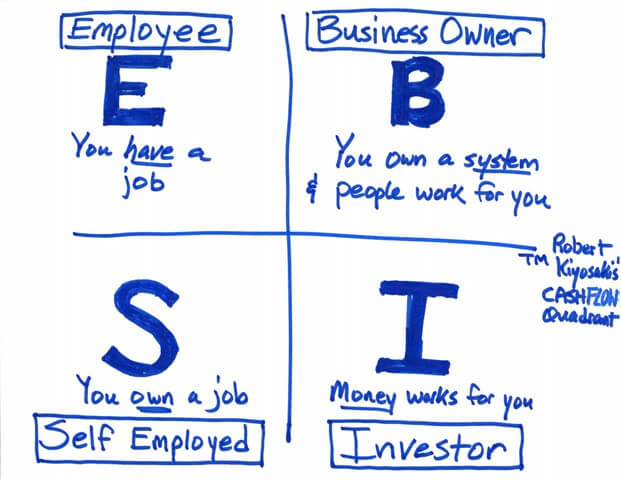
Kiyosaki’s follow-up, Cash Flow Quadrant, shows there are hundreds of ways to earn money beyond a conventional 9-to-5 job. Most people think a stable job is the only legit way to financial security, but this book paints a whole new picture. It makes you understand the limitations of a job and how relying purely on it might just be the worst thing you do for financial freedom.

Key Takeaway: The cash flow quadrant represents four ways to earn money: employee (9-to-5), self-employed (like a dentist or freelancer), big business owner, or investor. The book talks about how to use these paths to achieve financial freedom and which are most likely to get you there. It gets your mind ticking with ideas for earning outside a traditional job.

3. The 4-Hour Workweek: Work Smarter, Not Less

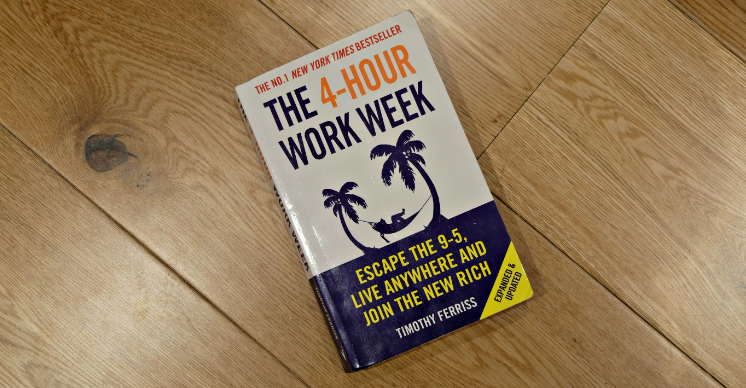
When I saw the title The 4-Hour Workweek by Tim Ferriss, I was skeptical—a four-hour workweek sounded too good to be true. But as I got deeper into the book, I realized it wasn’t about working less; it was purely about working smarter. It shows how anyone can live a retired millionaire lifestyle by building their own business, automating it, and collecting income while living their best life, not waiting years to retire.

Key Takeaway: Something that seems far-fetched is a lot more achievable than you think. Build a business, automate it, and collect income as you go. This book gives you the tools to make the ideas from Cash Flow Quadrant happen, showing you how to earn outside a traditional job setup.

4. The Millionaire Fastlane: Get Rich Quick, But It’s Hard Work

The Millionaire Fastlane by MJ DeMarco says there’s no such thing as get rich easy, but there is such a thing as get rich quick, which is interesting because you don’t hear that often. He talks about three paths: the Sidewalk (spending more than you earn, trapped paycheck to paycheck), the Slow Lane (safe job, saving, retiring at 65+), and the Fast Lane (leveraging time for passive income).

Key Takeaway: The Fast Lane is about investing time in work that generates passive income, like creating a product or system that earns long after your original time investment. It expands your income potential, but MJ keeps it real—it takes hustle, hard work, and discipline. It’s years of experience and knowledge that get you to that “quick” point.

5. Think and Grow Rich: Mindset Is Everything, But…

Think and Grow Rich by Napoleon Hill has people split—you either love it or hate it. Some say it’s all fluff and doesn’t deliver a clear roadmap to wealth, so they’re disappointed. Others say it transformed their mindset and financial lives, like a light bulb moment that helped them unlock limiting money beliefs.

Key Takeaway: Mindset is everything. If you have a scarcity mindset, thinking money’s hard to come by, that’s what you’ll experience. If you believe in abundance and that you’re capable of wealth, your actions align with success. But mindset alone isn’t enough—you need consistent, focused action. If you’re open to digging into your beliefs, this book’s for you; if you want a step-by-step guide, skip it.

6. The Psychology of Money: It’s More Than Math

I have a whole video on The Psychology of Money by Morgan Housel, so I’ll link that here. Money is as much about psychology as it is about math—our feelings, past experiences, and how we perceive money often overshadow raw financial knowledge. The most interesting part is how we misattribute luck in financial lives.

Key Takeaway: We study exceptional success stories like Bill Gates, thinking we can replicate them, but the more exceptional the story, the more luck played a role, and the fewer lessons you can apply. Focus on patterns, not people. Patterns like disciplined saving and investing work for everyone and don’t need luck. I’ve got a free guide on this—page 32 covers proven investing fundamentals, linked in the description.

7. The Intelligent Investor: Keep It Rational

The Intelligent Investor by Benjamin Graham is what Warren Buffett read at 19, and he still calls it the best investing book ever. Its principles are timeless. You don’t need specialist knowledge or deep insight—just two things.

Key Takeaway: Long-term investing needs a rational framework to make decisions and not letting emotions override it. It covers how the market behaves, basic finance fundamentals, and controlling your psychology to stay disciplined.

8. Girls That Invest: Beginner-Friendly Investing

Girls That Invest by my friend Sim is a really good book for the ultimate beginner. It covers why you should invest, the basics and terminology, and how to find your investing personality type.

Key Takeaway: Learn the basics of investing, understand your risk tolerance, and create a portfolio that matches it. This book makes investing approachable for anyone starting out.

9. The Little Book of Common Sense Investing: Index Funds Rule

The Little Book of Common Sense Investing by John Bogle, Vanguard’s CEO who invented index funds, argues that the winning strategy for beginners is simple—invest in index funds indefinitely.

Key Takeaway: Index funds outperform most alternatives because of low costs and broad market exposure. Bogle’s asset allocation (stocks to bonds) is a bit conservative and outdated, so follow up with books like The Dhandho Investor or One Up on Wall Street.

10. The Dhandho Investor and One Up on Wall Street: Invest in What You Know

The Dhandho Investor by Mohnish Pabrai and One Up on Wall Street by Peter Lynch say the best investments are often right under your nose, in things you know and engage with daily. I had Invisalign five years ago, loved the product, researched the company, and bought their stock—it’s my biggest return ever.

Key Takeaway: As a customer, you have an advantage over Wall Street pros by investing in companies you understand, but it’s not just about being a customer—you need to research thoroughly before investing.

11. Ignorance Debt and Investing in Yourself

Alex Hormozi’s concept of “ignorance debt” applies to investing—the difference between where you are and earning millions is just information you haven’t learned yet. Beginners often think they know more than they do, which can mislead them without a strong foundation. Also, most money books don’t mention this, but investing in yourself comes first.

Key Takeaway: Before the stock market, invest in your ability to manage money or make more through a business or side hustle. It’s harder work but more impactful in the short term than the slow game of investing. I’ve got a playlist on this, linked here.

Summary Table: Key Lessons from Money and Investing Books

Book/ConceptKey LessonCore Insight
Rich Dad Poor DadAssets vs. LiabilitiesBuy assets (stocks, real estate, side hustles) that put money in your pocket, avoid liabilities that drain it. Don’t see your home as a primary investment.
Cash Flow QuadrantBeyond the 9-to-5Four ways to earn: employee, self-employed, business owner, investor. Move toward business or investing for financial freedom.
The 4-Hour WorkweekWork Smarter, Not LessBuild and automate a business for passive income to live your best life now, not waiting for retirement.
The Millionaire FastlaneFast Lane to WealthCreate passive income systems (products, businesses) with hustle and discipline for quicker wealth-building.
Think and Grow RichMindset + ActionAn abundance mindset aligns actions with success, but you need consistent action to make it work.
The Psychology of MoneyFocus on PatternsExceptional success often involves luck; focus on proven patterns like disciplined saving, not outliers like Bill Gates.
The Intelligent InvestorRational InvestingUse a rational framework and emotional discipline for long-term investing success, no special knowledge needed.
Girls That InvestBeginner InvestingLearn investing basics, find your risk tolerance, and build a portfolio that matches your goals.
The Little Book of Common Sense InvestingIndex FundsInvest in index funds for low-cost, effective wealth-building, but consider modern allocation strategies.
The Dhandho Investor / One Up on Wall StreetInvest in What You KnowInvest in familiar companies after thorough research, leveraging your customer experience for an edge.
Ignorance Debt / Invest in YourselfLearn and GrowBridge ignorance with knowledge; invest in your money management and earning skills for faster results.

FAQs

What’s the main lesson from Rich Dad Poor Dad?

It’s about assets (like stocks or side hustles) putting money in your pocket and liabilities (like cars) taking it out. Avoid thinking your home is a primary investment—it can trap your money.

How does Cash Flow Quadrant change your view on jobs?

It shows a 9-to-5 job limits financial freedom. The four ways to earn—employee, self-employed, business owner, investor—push you to explore business or investing for more freedom.

Is The 4-Hour Workweek really about working four hours?

No, it’s about working smarter by building and automating a business to generate passive income, so you can live your dream life now, not after years of waiting.

What’s the “Fast Lane” in The Millionaire Fastlane?

It’s creating passive income systems, like products or businesses, that earn long after your work. It’s “get rich quick” but needs years of hustle and discipline.

Does Think and Grow Rich give a clear wealth plan?

No, it’s about mindset—believing in abundance over scarcity. It helps unlock limiting beliefs but needs action to work, not just positive thinking.

Why focus on patterns in The Psychology of Money?

Exceptional success stories often rely on luck, which you can’t copy. Patterns like disciplined saving and investing are reliable and work for everyone.

Who should read The Intelligent Investor?

Anyone wanting a timeless, rational approach to investing. It teaches a decision-making framework and emotional control, no genius required.

How does Girls That Invest help beginners?

It explains why to invest, basic terms, and how to find your investing personality to build a portfolio that fits you, perfect for newbies.

Why does The Little Book of Common Sense Investing love index funds?

Index funds are low-cost and outperform most options for beginners, but Bogle’s stock-bond allocation might be too conservative, so check other books.

How do I invest in what I know, per One Up on Wall Street?

Use your experience as a customer to spot good companies, like I did with Invisalign, but do deep research before buying their stock.

Why invest in myself before the stock market?

Investing in your money management or earning skills, like starting a side hustle, gives quicker results than the slow game of stock market investing.

Stop Doing These 9 Things If You Ever Want to Be Rich!

Namaskar, After spending a decade diving deep into finance through a degree, accounting qualifications, and a career in investment banking, I’ve learned that mastering personal finances is one of the most life-changing skills you can develop. Recognizing and breaking bad money habits is key to financial freedom. Below, I share nine common bad money habits that hold people back, along with practical tips to overcome them, drawing heavily from insights like those in Robert Kiyosaki’s Rich Dad Poor Dad.

1. Paying Yourself Last

I first heard about this concept in Rich Dad Poor Dad by Robert Kiyosaki, and it’s a blueprint for achieving financial freedom. Poor people’s habit is paying yourself last—when your paycheck arrives, you pay rent, phone bills, subscriptions, and fund social plans, saving whatever’s left (if anything). Rich people do the opposite.

Solution: Pay yourself first. Take a minimum of 10% of your income and put it into a savings account the minute you get paid. Treat it like a bill—it’s that important. This ensures you’re prioritizing your financial future.

2. Getting Comfortable with Bad Debt

Debt is practically the norm these days. People use it for small things—presents, clothes, you name it. My rule? Unless I can pay for something outright in cash, I don’t buy it with debt. Credit card companies want you to be bad with finances because that’s how they make money, with average interest rates at 22%, canceling out any rewards.

Solution: Don’t buy what you can’t afford without debt. If you’re not able to pay off your credit card in full, avoid using it for non-essentials to escape the high-interest trap.

3. Not Building a Financial Buffer

Paying yourself first ties into this. Without a financial buffer, you’re vulnerable to life’s surprises. Saving enough for a six-month buffer through that 10% habit gives you security.

Solution: Start putting that 10% away consistently. Once you have your six-month stockpile, use additional savings to build an investment fund and explore investment options.

4. Not Knowing Your Income or Expenses Properly

Lifestyle inflation is real—your spending rises as your income does. The more you make, the more you spend, like buying a bigger house or car. Without knowing your starting point, how can you plan where you want to be? Financially savvy people know their assets, liabilities, and have clear goals.

Solution: Track your income, expenses, assets, and liabilities. Seeing those numbers in black and white triggers action. Set clear financial goals and outline the steps to get there.

5. Having Expensive Hobbies

A lot of people love to shop, and yeah, it’s fun, but it’s a bad money habit if it’s draining your wallet. To improve your financial position, you need to save more or make more—or ideally both.

Solution: Focus on saving a larger percentage of your income while creating new income streams. You can’t build wealth if you’re spending everything you earn, but saving alone has limits. Balance both sides for real progress.

6. Thinking Saving Alone Builds Wealth

Using cashback sites or cutting expenses only goes so far—there’s a cap to how much you can save. The making-money side, however, is infinite. Wealth-building requires both saving and earning more.

Solution: Break the habit of thinking saving alone will make you rich. Look into investing in the stock market, asking for a pay raise, or starting a side hustle to unlock unlimited earning potential.

7. Paying Too Much in Taxes

Taxes are the single biggest expense in your life. While everyone has to pay them, wealthy people use legal corporate structures or tax advisors to minimize their tax bills.

Solution: Understand tax rules to stack the deck in your favor. Invest through an ISA or Roth IRA to shelter dividends and profits from taxes, or operate as a business for tax advantages. Even if you’re okay paying more taxes, reducing your bill lets you redirect funds to causes you value.

8. Waiting Too Long to Invest

Once you have savings and that emergency buffer, don’t let your money sit in a bank account. Inflation eats away at its value every year, meaning you’re losing money. Waiting too long to invest makes it harder to achieve your goals.

Solution: Start investing once you have your stockpile. Diversify with a mix of safe and riskier investments to weather life’s ups and downs. Don’t leave excess money in a bank account—make it work for you.

9. Not Making Your Money Work for You

There’s always an excuse for not investing—lack of time, money, or knowledge. But the longer you put it off, the harder you’ll have to work for the same results. Your money needs to start working for you.

Solution: Once you’ve saved enough, explore investment strategies. Diversify to handle different economic situations. Don’t let excuses stop you—start small and build from there. Check out resources on investing during tough times, like a recession, to get started.

Summary Table: Bad Money Habits and Solutions

Bad Money HabitDescriptionSolution
Paying Yourself LastSpending your paycheck on bills and expenses before saving, leaving little or nothing to save.Pay yourself first by transferring at least 10% of your income to savings immediately, treating it like a bill.
Getting Comfortable with Bad DebtUsing credit cards for small purchases, racking up high-interest debt (average 22%).Only buy what you can pay for outright with cash or debit; avoid credit unless you can pay it off in full.
Not Building a Financial BufferLacking savings for emergencies, making you vulnerable to financial stress.Save 10% consistently to build a six-month emergency fund, then redirect savings to investments.
Not Knowing Your Income or ExpensesAllowing lifestyle inflation, where spending rises with income, without tracking finances.Track income, expenses, assets, and liabilities; set clear financial goals to guide your actions.
Having Expensive HobbiesSpending excessively on hobbies like shopping, draining financial resources.Save more and create new income streams to enjoy hobbies without compromising financial goals.
Thinking Saving Alone Builds WealthRelying only on saving, which has a cap, while ignoring income growth.Combine saving with earning more through investments, pay raises, or side hustles.
Paying Too Much in TaxesOverpaying taxes without leveraging legal tax-advantaged options.Use ISAs, Roth IRAs, or business structures to reduce taxes legally; redirect savings to valued causes.
Waiting Too Long to InvestLeaving money in a bank account, losing value to inflation.Start investing after building an emergency fund; diversify to manage risks.
Not Making Your Money Work for YouDelaying investments due to excuses, missing out on compound growth.Explore investment strategies early, diversify, and start small to let your money grow.

FAQs

What does paying yourself first mean?

It means setting aside at least 10% of your paycheck for savings before paying any bills or expenses, treating it like a priority to secure your financial future.

How do I avoid bad debt?

Only buy what you can pay for outright with cash or debit. Avoid using credit cards for non-essentials unless you can pay off the balance in full to dodge high interest rates.

Why is a six-month financial buffer important?

A six-month emergency fund protects you from unexpected expenses, giving you stability while you focus on building wealth through savings and investments.

How can I track my income and expenses?

List your income, expenses, assets, and liabilities. Use a budgeting app or spreadsheet to monitor them and set clear financial goals to stay on track.

How do I balance expensive hobbies with saving?

Save a larger portion of your income and create additional income streams, like a side hustle, to enjoy hobbies without compromising your financial progress.

Why isn’t saving enough to build wealth?

Saving has a cap, but earning more doesn’t. Combine saving with income-boosting strategies like investing or side hustles to maximize wealth-building potential.

How can I legally reduce my taxes?

Explore tax-advantaged accounts like ISAs or Roth IRAs, or operate as a business for tax benefits. Learn tax rules or consult an advisor to minimize your bill legally.

Why should I start investing early?

Investing early leverages compound growth, making your money work harder. Delaying means you’ll need to work harder to achieve the same financial goals.

Top 3 Ways to Use Coconut Oil Daily

Namaskar!! Coconut oil is very much a part of our Indian culture, be it for cooking, be it for skin care, be it for care of internal organs, coconut oil is used for all these things and many more. For those pursuing a LifeReset or GlowUpJourney, incorporating coconut oil into your daily routine can transform your health and well-being in just 5 minutes a day. Perfect for WomenWhoRebuild or anyone starting over at 30, these simple habits support a ToxicFree, HealingEra lifestyle. We always hear about the numerous benefits of coconut oil, but do we know the best ways of using this coconut oil? Here are three ways to utilize the power and magic of coconut oil, fostering a MindsetShift for SelfGrowth2025 and a LateBloomerGlowUp.

Three Ways to Use Coconut Oil Daily

1. Use It as a Mouthwash for Oral Health

Use it as a mouthwash to detoxify and maintain dental health. This is also known as oil pulling or gandush. Coconut oil is also good for improving oral hygiene; it contains antioxidants that purify and keep the risk of infections at bay. Take 2 spoons of coconut oil, swish it within for 5 to 10 minutes, wash with water, and brush your teeth after this. This will pull out all the bacteria and harmful germs while cleaning your teeth and gums together. It would keep dental infections, disorders, oral, and bad breath away. Be careful not to swallow it at all; don’t spit this mixture in the sink as it would clog the sink. This could be done once in a week. This 5-minute habit supports your ChangeYourLife goals by promoting oral health.

2. Cooking with Coconut Oil

Some oils are not safe when they are cooked at high temperature; coconut oil can be the best alternative. Coconut oil, if it is cold-pressed and fresh, is most healthy. Apart from its high nutrient value, coconut oil is very much useful to improve the metabolism and reduce the risk of various diseases. Coconut oil helps in increasing good cholesterol, and so it is helpful in improving the internal functions of the body. It also helps in increasing the satisfaction of our meal and really amplifies the absorption of our nutrient meals. It is also known to help in thyroid issues too. It can be a very good substitute for butter in various foods. It also reduces abdominal fat, accelerates fat burning, kills bad fat and cholesterol, and aids in weight loss. Use this to cook or bake your food or as a garnish and healthy dressing. Avoid deep frying in it; that will be more harmful than good. In case you have to deep fry any products, as far as avoid, but if then, you should always use refined oil and not cold-pressed oil. For a healthy heart, a person should take a spoon of coconut oil first in the morning. This quick habit, taking just a minute, aligns with your HealingEra.

3. Hydrate Your Hair and Skin

Coconut oil is very much useful for hair; it really helps in increasing hair volume. It is very good for skin and it is good for bone health too. It increases collagen to prevent skin diseases, protects skin from damaging UV rays, and serves as an excellent moisturizer for hair and skin. The combination of tea tree oil and coconut oil really helps in hair loss and dry scalp. Warm this combination of oil and massage your scalp 2 hours before hair wash. You can also use it at night before going to bed; it really relaxes a person and aids in good sleep. It also helps in deep conditioning of hair. This combination is also an excellent deterrent; it keeps pests away from you. In our body, our elbows and feet are the parts which are usually dry; they are even rough. Applying coconut oil in these areas would keep these parts soft and smooth. Apply coconut oil all over your hands and legs; this would prevent them from drying and peeling of the skin. Use it as a massage oil as it is anti-inflammatory and soothes the muscles, removes the tension of the muscles, and this also boosts bone health. This 5-minute habit of applying coconut oil supports your LateBloomerGlowUp.

Maximize the Benefits of Coconut Oil

Understand, whenever you are using coconut oil, make sure you are using it in the right way to get the maximum benefits in life. According to the place you live, the things growing in that area are used for the food consumption. Coconut oil is maximum used in the south area, sarson oil is used in the north area, and at the central area of our India, the groundnut oil or the til oil are used. But once we have understood the use of the coconut oil, once in a while, people should try it out and get the benefits. Because according to the needs of your life, you should be using these oils as and when required; according to the seasons, you should use these oils as and when required. In any case, we don’t have to use too much oil; we need very little oil in our food. So try all these things and benefit yourself. Understand your health, and preserving this wealth should always come first. Namaskar!!!

FAQ

Why is coconut oil beneficial for health?

Coconut oil improves metabolism, increases good cholesterol, aids weight loss, and supports hair, skin, and bone health, making it ideal for a LifeReset.

How can I use coconut oil in 5 minutes a day?

Swish 2 spoons of coconut oil for 5 minutes as a mouthwash or apply it to your skin and hair for quick hydration, supporting your GlowUpJourney.

What is oil pulling with coconut oil?

Oil pulling involves swishing 2 spoons of coconut oil for 5–10 minutes to detoxify the mouth, removing bacteria and improving oral health for a ToxicFree lifestyle.

Can I cook with coconut oil daily?

Yes, use cold-pressed coconut oil for cooking or as a garnish to boost metabolism and nutrient absorption, but avoid deep frying, aligning with your ChangeYourLife goals.

How does coconut oil benefit hair and skin?

Coconut oil hydrates hair and skin, increases hair volume, prevents skin damage, and soothes muscles as a massage oil, perfect for SelfGrowth2025.

5 Morning Mistakes to Avoid

Namaskar! Nowadays, a lot of people struggle with low energy, fatigue, and bad mood early in the morning. Even those who sleep well through the night also have these problems. This happens because there is some mistake in your routine, your daily habit, like what you do on an empty stomach. For those pursuing a LifeReset or GlowUpJourney, avoiding these mistakes can transform your health and mindset. By spending just 5 minutes a day on simple habits, such as eating a small snack, you can improve digestion, stabilize energy, and support your ChangeYourLife goals. Perfect for WomenWhoRebuild or anyone starting over at 30, these practices foster a ToxicFree, HealingEra lifestyle. Today, let’s talk about five things we should never do on an empty stomach—some of these might surprise you, and you may be feeling guilty of doing them every single morning. Adopt these quick fixes for a LateBloomerGlowUp and SelfGrowth2025.

Five Things to Avoid on an Empty Stomach

1. Drinking Tea or Coffee First Thing in the Morning

When you wake up or have been hungry for some time, your stomach has a lot of acid in it. When you drink coffee or tea on an empty stomach, you are adding more acid in an already acidic atmosphere. This can lead to issues like acid reflux, bloating, and stomach discomfort over time. But that’s not all. Caffeine also masks hunger. Your body is sending signals that it needs food, but instead of giving some nutrients to the body, you are tricking it into feeling full while depriving it of real energy. The result is that you get overly hungry later in the day and end up overeating. This then causes weight gain. Instead, have a handful of dry fruits or fresh fruits at least half an hour before taking anything else like tea or coffee. This 5-minute habit will prepare your digestive system and keep your metabolism balanced, supporting your MindsetShift.

2. Skipping Breakfast

You might think skipping breakfast saves calories, but it actually spoils your metabolism. Your body needs nutrients in the morning to function properly. Skipping breakfast leads to craving and then overeating later in the day. Unstable blood sugar level is an outcome. Instead of skipping, opt for a protein-rich breakfast to keep you full and energized. This quick meal prep, taking just 5 minutes, aligns with your ChangeYourLife goals.

3. Taking Painkillers Like Ibuprofen or Aspirin

Taking painkillers like ibuprofen or aspirin on an empty stomach may irritate the stomach lining and can lead to gastritis or even ulcers at a time. So always take painkillers with food to minimize damage to your gut. Pairing them with a small snack, which takes less than 5 minutes to eat, supports a ToxicFree lifestyle.

4. Working Out Without Listening to Your Body

Many people make the mistake of doing workouts on an empty stomach without listening to their body. This might sound like a great way to burn fat, and for some people, it may work. But for many others, it does more harm than good. Without enough fuel, your body may start breaking down muscles for energy instead of burning fat, and then can lead to feeling tired, dizziness, and even muscle loss. If you prefer fasted workouts but experience these issues, listen to your body. Have a small snack like a banana or a handful of nuts 30 to 60 minutes before your workout session. If you feel strong, light,

Atomic Habits Book Review

Namaskar and welcome to a guide inspired by Atomic Habits by James Clear, a must-read for anyone seeking a LifeReset or GlowUpJourney. We all want to build better habits, and in this book, James Clear talks about systematic steps that we can take in order to build better habits. Whether you’re pursuing SelfGrowth2025, starting over at 30, or embracing a MindsetShift, the practical tools in Atomic Habits—like the two-minute rule and habit stacking—offer actionable ways to transform your life in just 5 minutes a day. Perfect for WomenWhoRebuild or anyone aiming for a ChangeYourLife transformation, these strategies help you create a ToxicFree, HealingEra lifestyle. Let’s dive into how this book can guide you to build life-changing habits for a LateBloomerGlowUp.

Why Atomic Habits Stands Out

The author builds upon the book The Power of Habit by Charles Duhigg and gives us practical tools such as the two-minute rule and habit stacking to give us the necessary things that we need to build better habits. What makes this book special is the practical element of it. A lot of these books that talk about habits just talk about theory, but this book gives us actionable steps that we can use to actually improve our habits in practice. For example, the two-minute rule encourages starting habits with tasks that take less than two minutes, making it easy to begin and sustain progress in just a few minutes daily.

Who Should Read This Book

This book is incredibly valuable for anyone wanting to understand how to implement better habits into their life and also for people who are trying to get rid of negative ones. If you’re new to habit formation, this is a great book for you to try and understand the key principles that go behind creating better habits. By applying these principles, you can create small, consistent changes that align with your StartOverAt30 goals and lead to lasting transformation.

How to Apply Atomic Habits in 5 Minutes a Day

To make habit-building part of your daily routine, start with the two-minute rule: choose a habit, like reading or stretching, and begin with a version that takes just two minutes. For example, read one page of a book or do a quick stretch. Pair this with habit stacking—linking a new habit to an existing one, like drinking water after brushing your teeth. These quick actions, taking 5 minutes or less, compound over time, supporting your ChangeYourLife journey and fostering a HealingEra of growth.

Start Your Habit Journey Today

Thanks to Atomic Habits, you have the tools to build better habits and break free from negative ones. By dedicating just 5 minutes a day to these practical strategies, you can achieve a LifeReset and unlock your potential for SelfGrowth2025. Namaskar!

FAQ

What is Atomic Habits about?

Atomic Habits by James Clear outlines systematic steps, like the two-minute rule and habit stacking, to build better habits and eliminate negative ones, perfect for a LifeReset.

How can I build habits in 5 minutes a day?

Use the two-minute rule from Atomic Habits to start small, like reading one page or doing a quick stretch, and pair it with habit stacking for a GlowUpJourney.

What is the two-minute rule?

The two-minute rule involves starting a new habit with a task that takes less than two minutes, making it easy to begin and sustain, aligning with your MindsetShift.

Who should read Atomic Habits?

Anyone new to habit formation or looking to replace negative habits with positive ones will benefit, especially those pursuing SelfGrowth2025 or a ChangeYourLife transformation.

How does Atomic Habits differ from other habit books?

Unlike theory-heavy books, Atomic Habits provides actionable steps like the two-minute rule, making it practical for a StartOverAt30 journey.