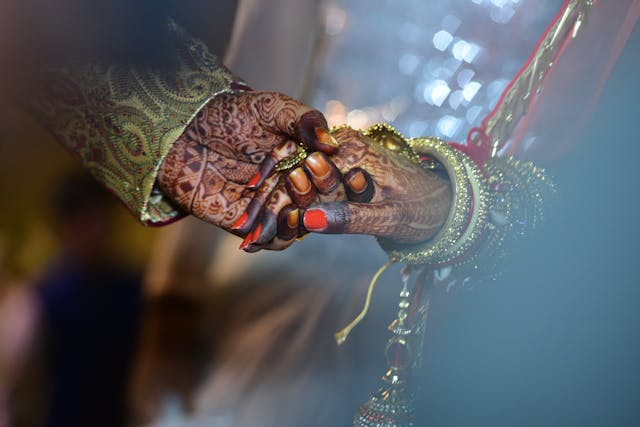
Picture this: your parents introduce you to someone they think is your perfect match. No swiping on apps, no whirlwind romance—just a meeting, a conversation, and a decision. That’s the essence of an arranged marriage, a practice where families, often parents or matchmakers, choose your spouse based on shared values, cultural fit, and long-term compatibility. It’s common in places like India, Nepal, and parts of the Middle East, but it’s also alive among communities worldwide, including in the U.S. (Wikipedia).
Now, I know what you might be thinking: “How can you marry someone you don’t love?” But here’s the kicker—research shows love doesn’t always start the journey; it can grow, sometimes stronger than in love marriages. Studies, like one from Harvard’s Robert Epstein, show that love in arranged marriages often deepens over time, with couples reporting love scores jumping from 3.9 to 8.5 on a 10-point scale (ResearchGate). And with divorce rates for arranged marriages at just 4% globally, compared to 40-50% for love marriages in places like the U.S., there’s solid evidence these unions can last (APA).
So, how do couples in arranged marriages go from strangers to soulmates? Let’s explore the science, stories, and strategies behind building trust and love from day one.
What Is an Arranged Marriage, Anyway?
The Basics
At its core, an arranged marriage is when someone else—usually parents or a matchmaker—picks your partner, focusing on factors like family background, values, education, or social status. Unlike love marriages, where you fall head over heels first, arranged marriages are about building a life together, with love growing along the way. In many cultures, it’s less about “spark” and more about a shared commitment to make it work.
But it’s not as rigid as it sounds. Modern arranged marriages often give couples a say. You might meet your potential spouse, chat over coffee, or even go on a few dates before saying “I do.” This mix of tradition and choice is becoming more common, especially in places like India or among diaspora communities in the West (Wikipedia).
Different Flavors of Arranged Marriages
Not all arranged marriages are the same. Researchers break them down into a few types:
- Fully Arranged: Parents pick the spouse, and you have little to no say. This is rare today and often criticized when it’s forced (UN).
- Consensual Arranged: Your family suggests a match, but you meet, talk, and can say yes or no. Think of it like a family-vetted dating app. This is common in practices like the Jewish shidduch system.
- Self-Choice with Family Approval: You pick your partner, but your family gives the thumbs-up or down, blending personal choice with tradition (Wikipedia).
Why It Matters Culturally
In places like India or Nepal, arranged marriages are more than just a way to tie the knot—they’re about strengthening family bonds and ensuring social harmony. It’s like your parents are saying, “We’ve got your back, and we’ve found someone who fits our values and yours.” This focus on collective well-being can set the stage for a stable, loving relationship, as we’ll see from the research.
The Science of Love and Trust in Arranged Marriages
Okay, let’s get to the juicy stuff: how do two strangers build a love story? Spoiler alert—it’s not magic. It’s about commitment, communication, and a little bit of vulnerability. Let’s break down what the experts say.
What the Research Says
Harvard’s Take: Love Grows Over Time
Harvard psychologist Robert Epstein dug deep into arranged marriages with two cross-cultural studies (ResearchGate). He interviewed 52 people from 12 countries and 6 religions, and here’s what he found:
- Study 1 (30 participants): Couples started with an average “love score” of 3.9 out of 10 when they got married. Over time, that jumped to 8.5. Why? Commitment was the biggest driver—couples who were all-in on making it work saw their love grow.
- Study 2 (22 participants): Love scores went from 5.1 to 9.2, with sacrifice (like putting your partner’s needs first) and commitment leading the charge. Epstein says this mirrors lab research on how vulnerability builds emotional closeness.
Basically, arranged marriages start with a foundation of trust and effort, and love blooms from there.
Nepal’s Insights: Family and Education Matter
A study in Nepal’s Chitwan Valley, published in Social Science Research, looked at what makes arranged marriages tick (PMC). Researchers measured marital quality across five areas: satisfaction, communication, togetherness, problems, and disagreements. Here’s the scoop:
- Spouse Choice Boosts Happiness: Couples who had some say in picking their partner scored higher on satisfaction (0.34 points) and togetherness (0.38 points) and had fewer disagreements (0.38 points lower). So, a little choice goes a long way.
- Love in Action: Satisfaction questions like “Happy with the amount of love in my marriage” (scoring 0.88) and “My spouse loves me very much” (0.87) showed love grows, especially when couples share experiences.
- Trust Through Talking: Communication (like discussing problems, scoring 0.66) and spending time together (0.59) were key to building trust. Education and family support also helped couples connect.
Indian-Americans in the U.S.: Love Matches Up
A study in Psychological Reports compared arranged and love marriages among Indian-Americans (Psychology Today). Using tools like the Passionate Love Scale and Commitment Scale, researchers found:
- No big difference in satisfaction, commitment, or love (passionate or companionate) between arranged and love marriages.
- Men reported slightly higher levels of passionate love and commitment than women, hinting at gender differences in how emotions play out.
- The takeaway? Arranged marriages can hold their own, even in a Western context where love marriages are the norm.
Divorce Rates Tell a Story
Here’s a stat that might surprise you: arranged marriages have a global divorce rate of about 4%, while love marriages in places like the U.S. hover around 40-50% (APA). Why the gap? Family support, realistic expectations, and a focus on commitment seem to keep arranged marriages steady.
What Makes Trust and Love Grow?
The research points to a few key ingredients:
- Commitment: Epstein’s work shows that couples who dive into the marriage with a “we’re in this together” mindset see love grow. It’s like planting a seed and watering it daily.
- Sacrifice: Putting your partner’s needs first—like skipping your favorite show to listen to them—builds trust and closeness.
- Communication: Talking openly about dreams, fears, or even what to cook for dinner helps couples bond, as seen in the Nepal study.
- Family Support: Parents and relatives often act as a safety net, helping couples navigate rough patches (NY Times).
- Shared Values: When you’re on the same page about life goals, faith, or family, it’s easier to trust and love each other.
How Culture Shapes Arranged Marriages
South Asia: It’s All About Family
In places like India and Nepal, arranged marriages are a cultural cornerstone. Families look at caste, education, and financial stability to find a match that keeps everyone happy. The Nepal study shows how family involvement boosts marital quality by ensuring couples start with shared values (PMC). Love isn’t the starting point—it’s the reward for building a life together.
Middle East and North Africa: Tradition Meets Modernity
In these regions, arranged marriages often reinforce social structures, but they’re evolving. Couples today might meet and chat before saying yes, giving them a chance to build trust early. Still, cultural norms, like defined gender roles, can complicate things, as noted in a comparative study (Vocal Media).
The West: A New Spin
Arranged marriages aren’t just an “over there” thing. In the U.S., Indian-American communities often practice them, and the Psychological Reports study shows they can be just as loving as love marriages (Psychology Today). It’s proof that arranged marriages can adapt to modern, individualistic cultures.
Arranged vs. Love Marriages: A Friendly Face-Off
How They Start
Love marriages kick off with fireworks—passion, attraction, the whole rom-com vibe. Arranged marriages? They’re more like a slow burn. Epstein’s 2012 study found that while love marriages start with higher satisfaction, arranged marriages catch up and sometimes surpass them over time (Wedknott). Why? Couples in arranged marriages don’t expect instant romance, so they focus on building a partnership.
Staying Power
That 4% divorce rate for arranged marriages vs. 40-50% for love marriages says a lot. Family support and a commitment-first mindset seem to give arranged marriages an edge (APA).
The Challenges
- Arranged Marriages: It can take time to spark romantic feelings, and cultural pressures (like dowry or traditional roles) can add stress.
- Love Marriages: The high of early romance can fade, and without strong family support, couples might struggle to navigate conflicts.
The Best of Both Worlds
Today, many couples are blending the two. In Nepal, “self-choice” marriages—where you pick your partner but get family approval—are on the rise, combining personal choice with family wisdom (PMC).
How to Build Trust and Love from Day One
So, you’re in an arranged marriage (or thinking about one). How do you make it work? Here are some research-backed tips to kick things off right:
- Lean Into Commitment: Epstein’s studies show commitment is the secret sauce. Decide you’re all-in, and love will follow.
- Be Ready to Give a Little: Small sacrifices, like letting your partner pick the movie, build trust and show you care.
- Talk, Talk, Talk: Share your dreams, fears, and favorite pizza toppings. The Nepal study says open communication is key to trust.
- Use Your Family as a Resource: Parents and relatives can guide you through tough times, as Epstein’s work suggests (NY Times).
- Find Common Ground: Shared values—whether it’s faith, family, or career goals—make it easier to connect.
Practical Steps
- Meet Before the Wedding: If possible, spend time together to get comfortable. Even a few chats can make a difference.
- Try Counseling: Pre-marital counseling can teach you how to communicate and handle conflicts.
- Be Patient: Love takes time. Don’t stress if it’s not instant butterflies—focus on building a solid partnership.
Real Stories: Love in Action
Manju and Jagdesh
Epstein’s study shares the story of Manju and Jagdesh, a middle-class Indian couple aged 21 and 23. Their parents arranged their marriage, believing they were a perfect fit. Through commitment and shared effort, they built a strong, loving bond, proving family-vetted matches can lead to lasting love (ResearchGate).
Saima’s Journey
Saima, a 20-year-old student, trusted her parents to find her a spouse. She met her match, got to know him, and said yes. Their marriage grew through mutual respect and time spent together, showing how trust in family and patience can lead to love.
The Flip Side: Challenges to Watch For
Arranged marriages aren’t all smooth sailing. Here are some hurdles:
- No Instant Spark: It can feel weird to marry someone you’re not head-over-heels for. Building romance takes effort.
- Cultural Expectations: Things like dowry or rigid gender roles can create tension, as some studies point out (Vocal Media).
- Forced Marriages Are Different: If there’s no consent, it’s not a true arranged marriage and can lead to serious issues. Consent is non-negotiable.
Wrapping It Up: Love That Lasts
Arranged marriages might sound like a leap, but the research is clear: with commitment, communication, and a sprinkle of family support, they can lead to deep, lasting love. Studies from Harvard, the University of Michigan, and others show that love grows over time, often making arranged marriages just as happy—if not happier—than love marriages. With divorce rates low and satisfaction high, these unions prove that starting as strangers doesn’t mean you can’t end up as soulmates. Whether you’re in an arranged marriage or just curious, the key is to show up, be open, and let love build one day at a time.
References
- How Love Emerges in Arranged Marriages: Two Cross-cultural Studies
- Determinants of Marital Quality in an Arranged Marriage Society
- Arranged vs. Love-Based Marriages in the U.S.—How Different Are They?
- Modern Lessons From Arranged Marriages
- Arranged Marriage vs Love Marriage: What Do Studies Say?
- Arranged Marriage Wikipedia Overview
- Schemas of Marital Change: From Arranged Marriages to Eloping for Love
- Divorce Rate in the U.S. by American Psychological Association
- Love vs. Arranged Marriage: Cultural Practices and Marital Outcomes

Anshu Pathak is a passionate writer and avid reader whose love for stories shapes her world. With a heart full of imagination, she weaves tales that resonate with emotion and depth. When she’s not crafting her next piece, you can find her lost in the pages of a novel, exploring new worlds and perspectives. At Moodframe Space, Anshu shares her creative journey, offering insights, stories, and reflections that inspire and connect with readers everywhere.